

A sudden wave of fatigue hits you at 3 p.m., your eyes ache, and your focus. Sound familiar? For millions of people, this daily slump has less to do with workload and more to do with something glowing right in front of them: blue light. As screens become unavoidable at the office, in our schools, and as our entertainment, blue light blockers have stepped into the spotlight with a promise to protect our eyes, our sleep, and our overall wellbeing.
The Sleep Connection
One of the most compelling reasons people reach for blue light blockers has nothing to do with daytime comfort — it’s about nighttime recovery. Blue light suppresses melatonin, the hormone that signals to your body that it’s time to wind down. When you scroll through your phone or finish a late-night work session, your brain receives mixed messages: the clock says bedtime, but your eyes say daylight. This mismatch can delay sleep onset, reduce sleep quality, and leave you feeling groggy the next morning. Blue light blockers help filter out the wavelengths most responsible for melatonin disruption, allowing your body to maintain a more natural rhythm even when screens are part of your evening routine. While they’re not a cure-all for insomnia, many people find that wearing them in the hours before bed helps them fall asleep more easily and wake up feeling more refreshed.
A Practical Tool — Not a Magic Fix
Blue light blockers aren’t meant to replace healthy screen habits, but they can be a valuable part of a more mindful digital routine. They work best when combined with simple practices like taking regular breaks, adjusting screen brightness, and maintaining proper distance from your devices. For people with demanding digital workloads — students, remote workers, designers, gamers — blue light blockers offer a low-effort way to reduce discomfort and support long-term eye comfort. They’re also widely accessible, available in prescription and non-prescription options, and increasingly stylish.
Types of Blue Light Blockers
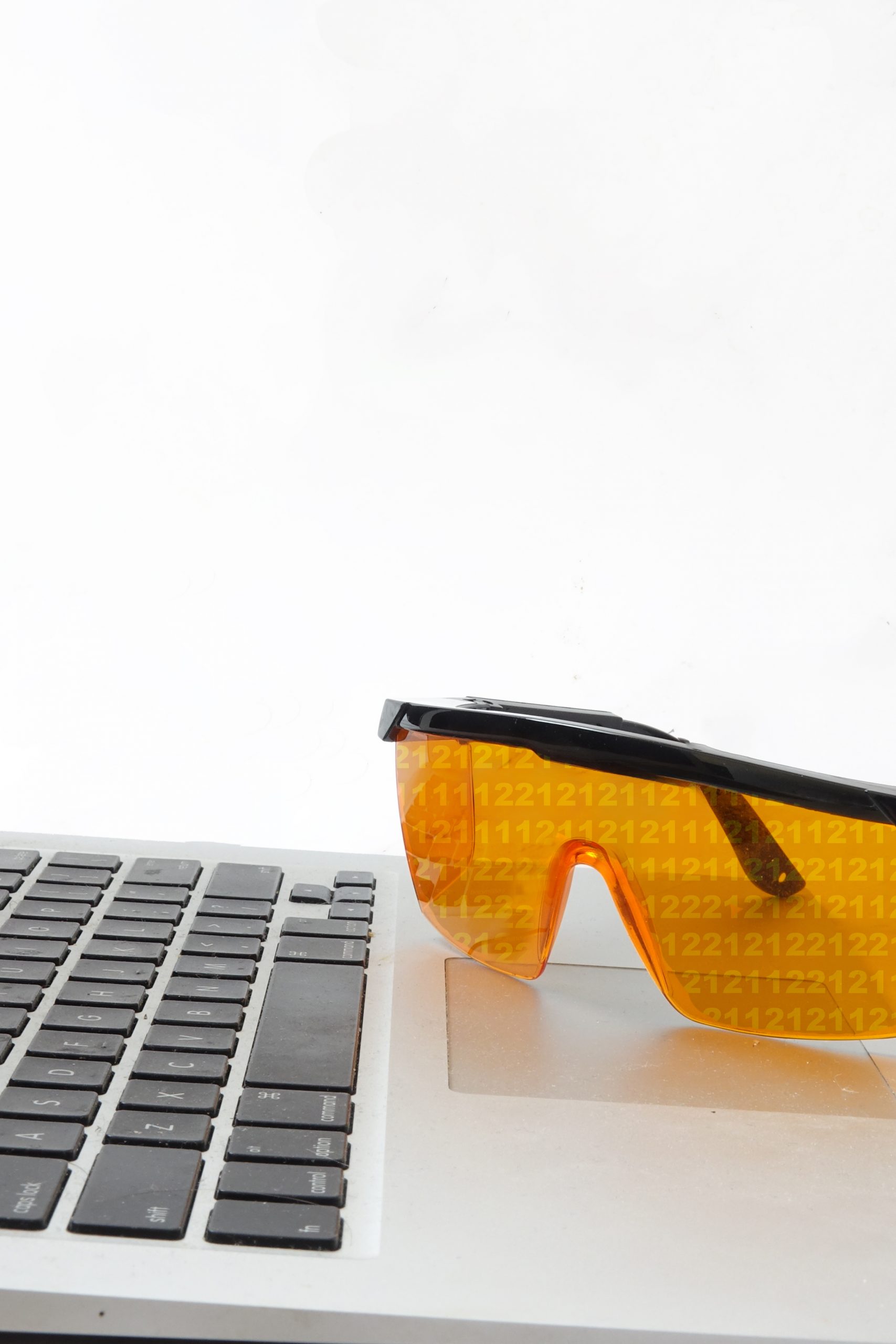
The growing demand for digital eye comfort has led to a wide range of blue light–blocking options, each designed to fit different lifestyles and preferences. The most common choice is blue light–blocking glasses, available in both prescription and non‑prescription forms. These lenses use special coatings or embedded filters to reduce the amount of high‑energy blue wavelengths that reach the eye. Some offer subtle, nearly invisible filtering, while others have a more noticeable amber tint that provides stronger protection, especially for evening use. For people who prefer not to wear glasses, screen protectors are another practical solution. These thin films adhere directly to phones, tablets, or computer monitors and filter blue light at the source, making them ideal for children or anyone who shares devices. A third category includes software‑based filters, such as built‑in night mode settings or downloadable apps that shift screen color temperature toward warmer tones. While these digital filters don’t replace physical blockers, they can meaningfully reduce exposure during long work sessions or nighttime scrolling. With so many options available, it’s easier than ever to find a blue light–blocking method that supports your comfort without disrupting your routine.
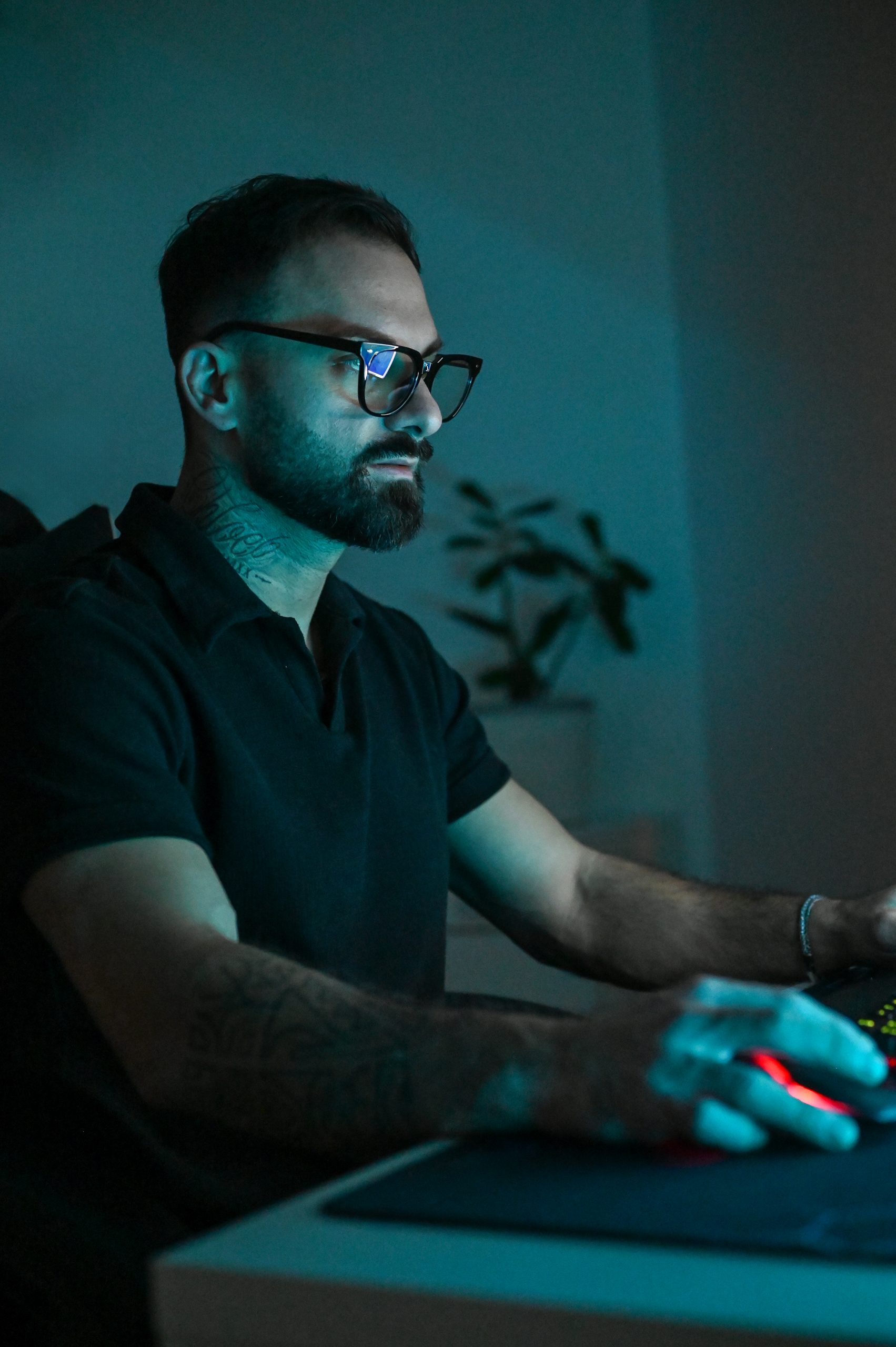
While research continues to evolve, many users report noticeable improvements in eye fatigue and sleep patterns, making blue light blockers a practical, user-friendly tool for navigating a screen-heavy world. In a culture where digital demands aren’t slowing down anytime soon, small protective habits can add up to meaningful benefits.