

What if the secret to a healthier heart, sharper mind, and stronger immune system was hiding in your smile?
While most of us think of dental care as simply brushing, flossing, and avoiding cavities, research shows that the health of your mouth is deeply connected to the health of your entire body. Your teeth and gums aren’t just about aesthetics — they’re a window into your overall wellbeing.
Oral Health and Heart Disease
The connection between gum disease and cardiovascular health is one of the most striking examples of how oral health impacts the body. Gum disease, or periodontal disease, begins when bacteria accumulate along the gumline, leading to inflammation and infection. Left untreated, this inflammation doesn’t stay confined to the mouth — it can spread through the bloodstream. Once bacteria and inflammatory markers circulate, they can contribute to the buildup of arterial plaque, narrowing blood vessels and increasing the risk of heart disease and stroke.
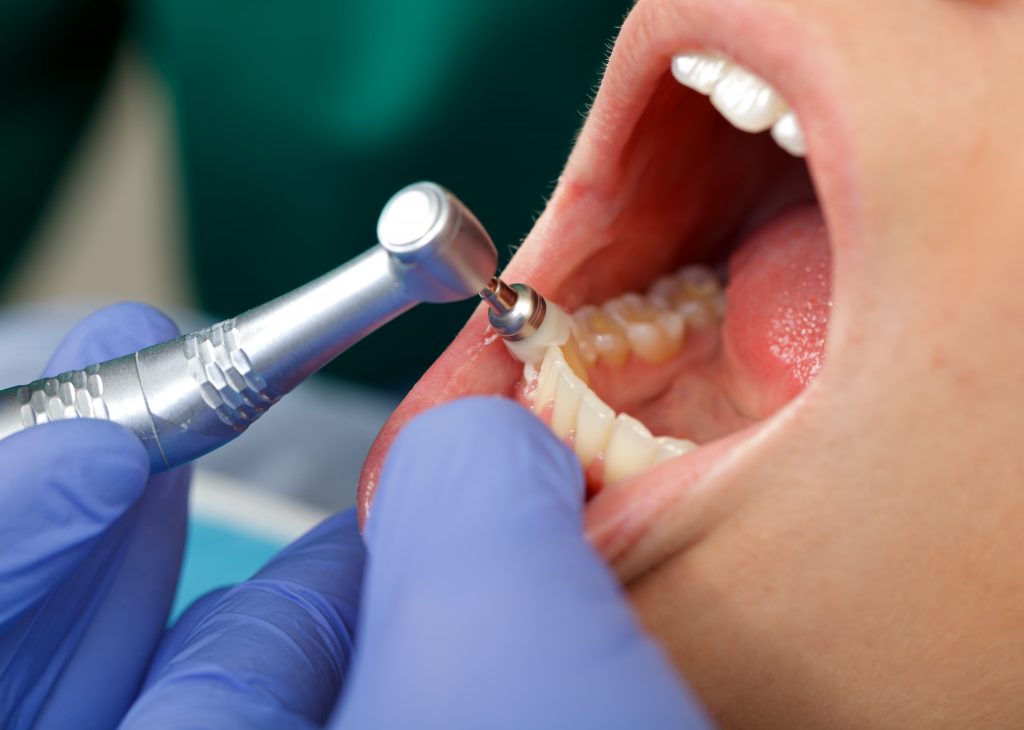
Several studies have shown that individuals with periodontal disease are significantly more likely to experience cardiovascular complications. In fact, researchers believe that gum disease may act as a silent contributor to heart problems, especially in people who already have other risk factors such as high blood pressure or high cholesterol. The takeaway is clear: brushing and flossing aren’t just cosmetic habits; they’re preventive measures that may reduce systemic inflammation and protect your heart. Regular dental checkups, professional cleanings, and early treatment of gum disease can serve as an important line of defense against cardiovascular illness.
Oral Health and Diabetes

The relationship between diabetes and oral health is a two-way street, and it’s one of the most complex interactions in medicine. Poorly controlled diabetes can weaken the body’s ability to fight infections, making gum disease more likely and more severe. At the same time, gum disease itself can worsen diabetes by interfering with blood sugar regulation. This happens because chronic inflammation in the mouth can reduce the body’s sensitivity to insulin, creating a vicious cycle that makes both conditions harder to manage.
For people living with diabetes, oral health care is not optional — it’s essential. Routine dental visits can help identify early signs of gum disease, such as bleeding gums or persistent bad breath, before they escalate into more serious problems. By maintaining strong oral hygiene habits — brushing twice daily, flossing, and using antibacterial mouth rinses — patients can reduce oral inflammation and improve their overall metabolic control. In fact, research suggests that treating gum disease can lead to better blood sugar levels, underscoring the importance of oral care as part of diabetes management.
Oral Health and Cognitive Function
Emerging research suggests that oral health may even influence brain health, adding another layer to the mouth-body connection. Chronic gum disease has been linked to an increased risk of cognitive decline and conditions such as Alzheimer’s disease. The theory is that bacteria from the mouth can travel to the brain through the bloodstream or along nerve pathways, triggering inflammation that damages nerve cells over time.
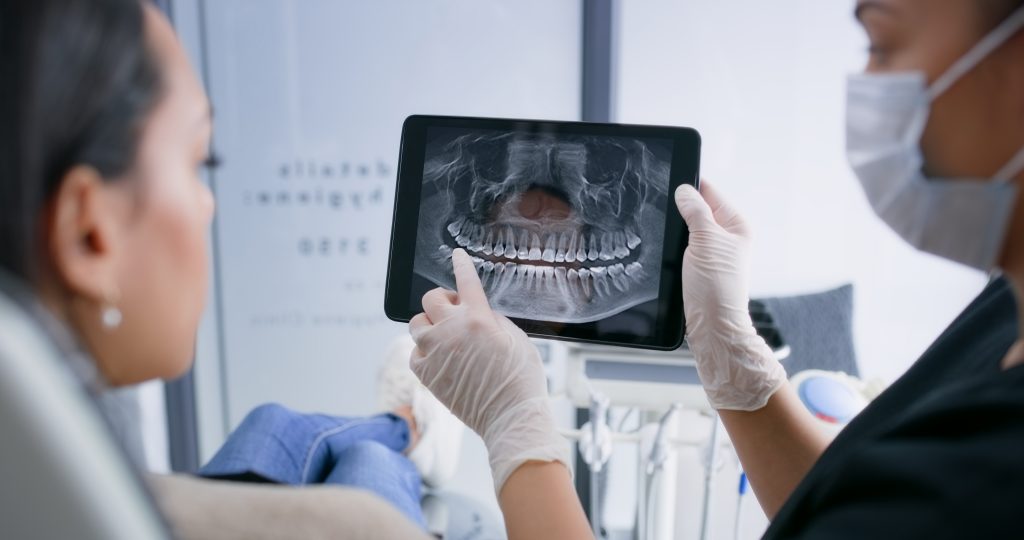

This connection is still being studied, but the evidence is compelling enough to encourage a proactive approach to oral hygiene. Cognitive decline is one of the most feared aspects of aging, and if something as simple as brushing and flossing can help reduce that risk, it’s worth the effort. Beyond bacteria, oral health also affects nutrition, which in turn influences brain health. Missing teeth or painful gums can make it harder to eat nutrient-rich foods, leading to deficiencies that may impact memory and concentration. By protecting your teeth and gums, you’re not only preserving your smile but also supporting your brain’s long-term resilience.
Your mouth is more than a gateway for food — it’s a gateway to your health. From heart disease to diabetes to cognitive decline, the evidence is clear: oral health and overall health are inseparable. By prioritizing dental care, you’re investing in your body’s long-term wellbeing. So the next time you reach for your toothbrush, remember — you’re not just protecting your teeth, you’re protecting your future.