

Carbon monoxide, abbreviated to CO, is an odorless, colorless gas produced when certain fuels, such as gasoline, propane, charcoal, or wood, are burned. Many household items from stoves to fireplaces produce carbon monoxide.
Prolonged carbon monoxide exposure causes carbon monoxide poisoning, which can result in long- and short-term health problems and death. Every year, more than 400 Americans die of CO poisoning and upwards of 14,000 are hospitalized. These numbers come from accidental, non-fire related exposure, which means they’re completely preventable.

The most common symptoms of carbon monoxide exposure over time are often described as “flu-like.” These include headache, muscle weakness, dizziness, nausea or vomiting, shortness of breath, confusion, and sleepiness. Carbon monoxide inhalation can also result in the loss of consciousness. Breathing in large amounts of CO causes it to replace the oxygen in our red blood cells, leading to tissue damage in our brains and hearts. The severity of symptoms and lasting health issues is directly connected to the amount of CO inhaled and for how long. Those who lose consciousness from CO inhalation can experience further health issues stemming from nervous system or brain damage that come on after recovery. These symptoms include memory loss, personality changes, and movement issues. If you experience symptoms of carbon monoxide poisoning, it’s important to find fresh air immediately and seek medical attention.
CO’s lack of color and smell makes it difficult to detect, but there are many ways to mitigate the risks of carbon monoxide poisoning.
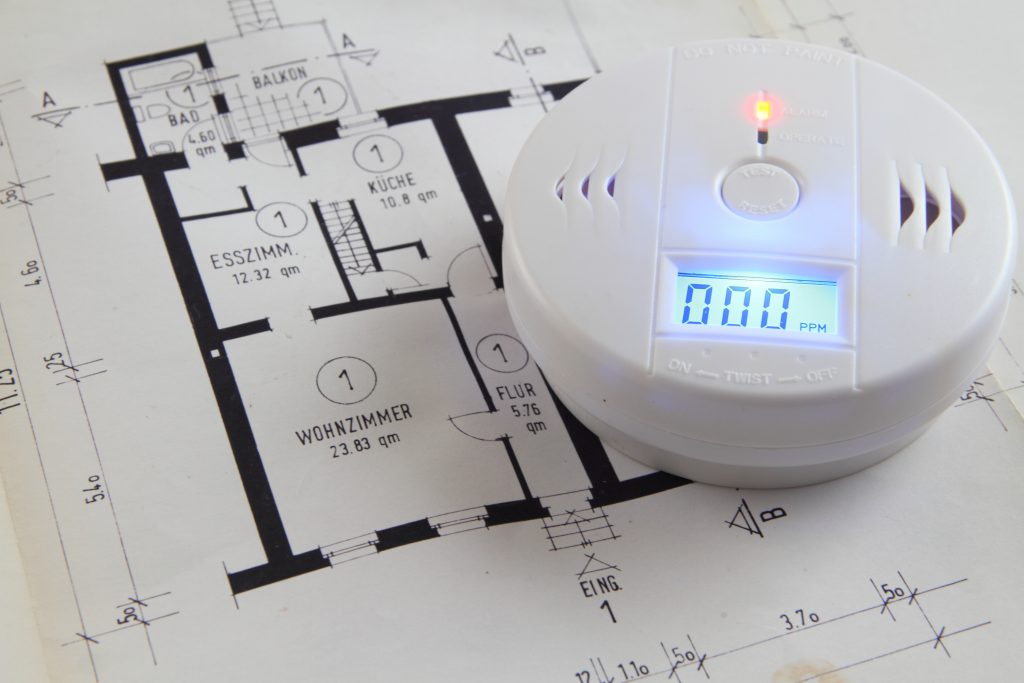
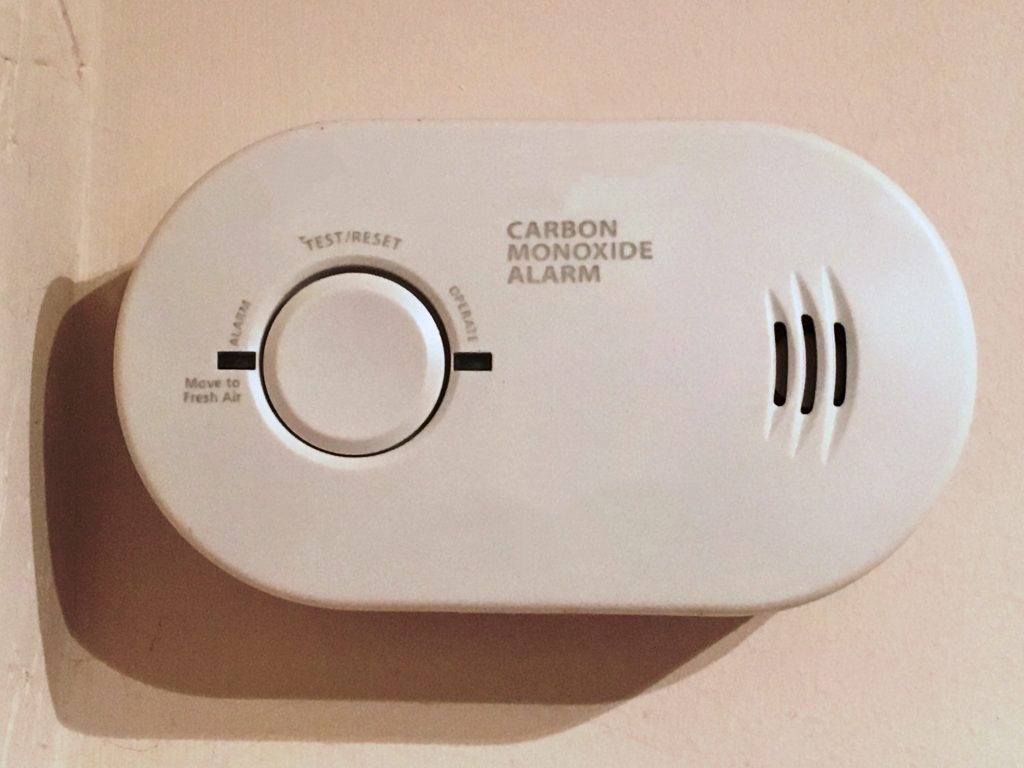
- CO Detectors: These battery-operated devices monitor the amount of carbon monoxide in the air and will sound an alarm if the levels get too high. It’s recommended to place CO detectors in living areas, outside each bedroom, in the basement, and near (not inside) the garage. Generally, CO detectors need to be replaced every 5 years, unless the manufacturer states otherwise. To ensure they’re working properly, it’s best to check the batteries twice a year. A great way to remember to do this is to inspect the CO detector when the clocks change in spring and fall.
- Appliance Checks: Every year, have a qualified technician check your heating system, water heater, gas appliances, space heaters, and wood-burning stoves to make sure they are properly vented and not leaking carbon monoxide. Similarly, have a mechanic check your car’s exhaust system once a year. Leaks in the exhaust system can cause carbon monoxide to build up inside your car, which is dangerous in such a small, enclosed space. Another important area to double check is your chimney. Chimneys can be blocked by debris that will stop carbon monoxide from dispersing up the flute.
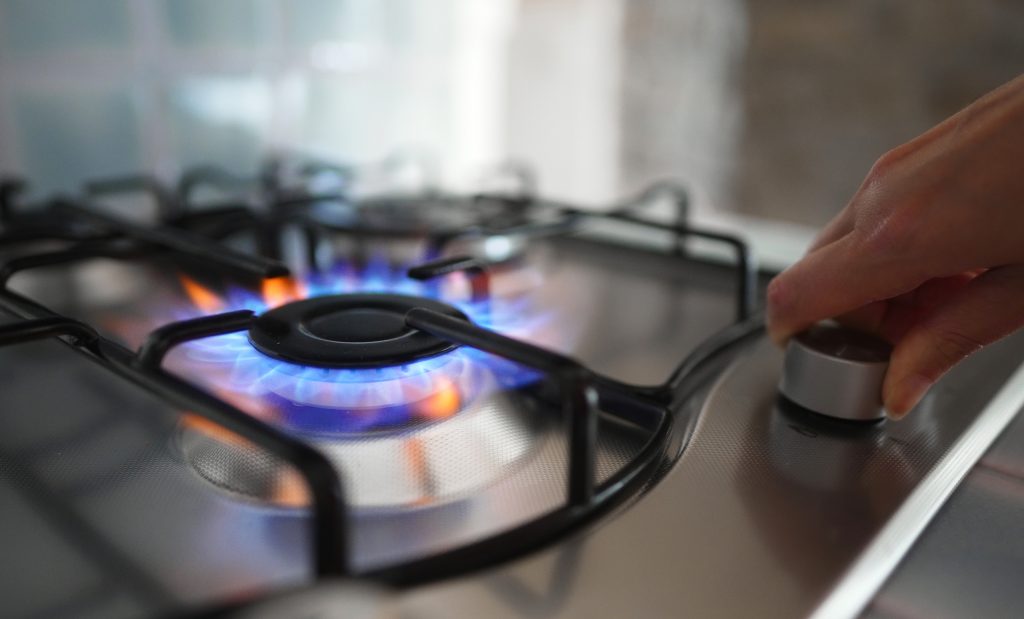
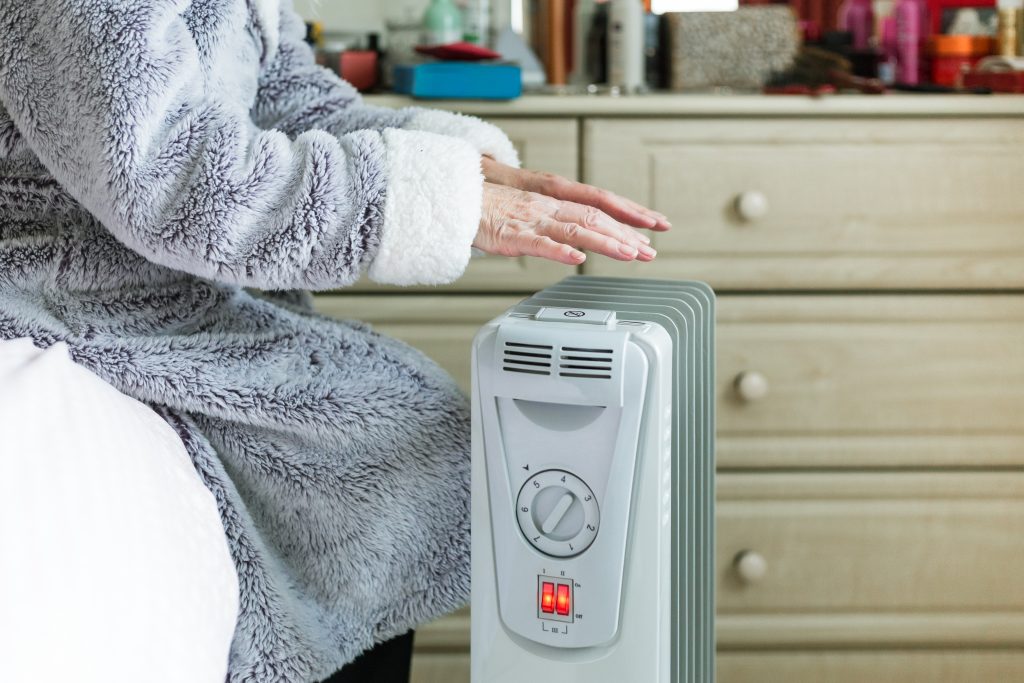
- Use Fuel-Burning Appliances Safely: Never use generators or portable camping stoves inside your house. If possible, only use these items when 20 feet away from a building. You should also never burn charcoal inside, since all kinds of charcoal produce carbon monoxide. Make sure that you have vents around fuel-burning appliances, including space heaters and wood-burning stoves to remove carbon monoxide from the area.
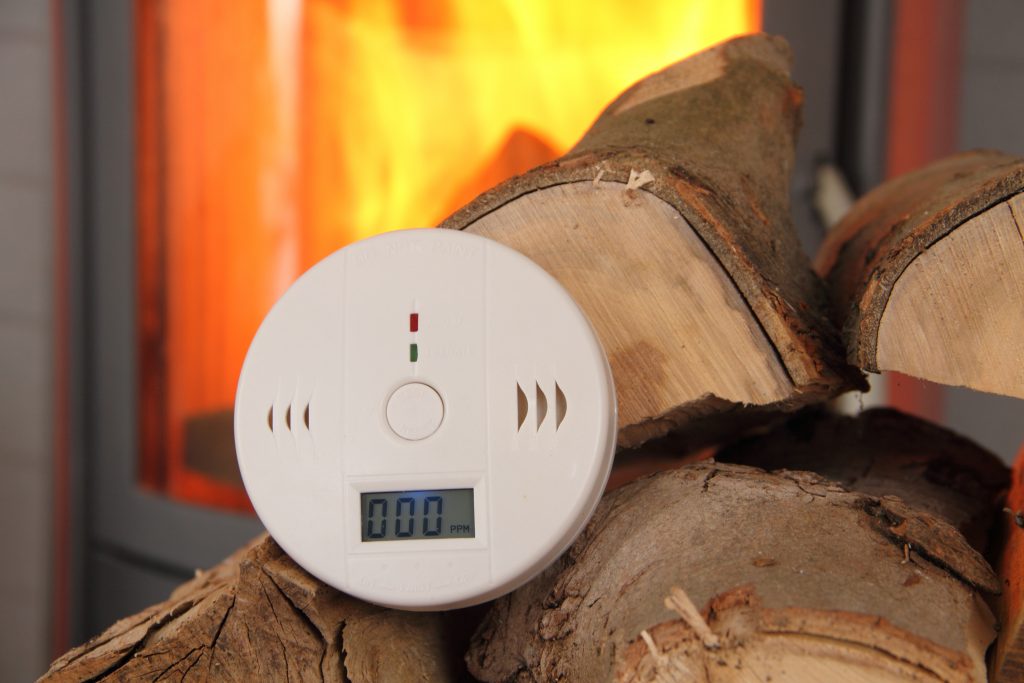
Despite the number of CO-producing items in our homes, state laws are only recently making CO detectors mandatory in newly built houses. Unlike smoke detectors, you may not have pre-installed CO detectors in your house, especially if it was built before legislation changed the building codes in 2011. While it may take a little effort to purchase your own CO detectors or have your appliances checked, it’s important to the health of everyone living in your home. Carbon monoxide poisoning causes hundreds of deaths and thousands of hospitalizations a year, all of which can be prevented by extra care.