

While mainly known for its connection to sexual health and strong muscles, testosterone has a much broader (and more important) role in the human body. It’s not just a “male hormone.” Everyone, regardless of sex, produces testosterone. Testosterone is created by the gonads — the testes or the ovaries — and impacts everything from physical development to mental health.
Testosterone levels are highest in adolescence and early adulthood for persons with testes and begin to decrease naturally around ages 30 and 40. But that’s not the only reason that testosterone levels can suddenly drop off. Chronic health conditions, stress, or cancer treatments, such as chemotherapy or radiation, can also impact testosterone levels.

While persons with ovaries naturally have lower levels of testosterone in their bodies, having too little can also have negative side effects. Regardless of sex, the most common symptoms of low testosterone are:
- Osteoporosis or weakened bones
- Low libido
- Loss of muscle mass or muscle weakness
- Loss of body hair
- “Parchment-like” skin
- Issues with memory and concentration
- Fatigue
- Depression, irritability, or anxiety
Currently, the FDA only approves the use of Testosterone Replacement Therapy for persons with testes that have hypogonadism, a medical condition that results in naturally lower testosterone. Hypogonadism can be the result of a genetic condition or can be caused by cancer treatments. The FDA-approved products include:
- Topical Gels – Applied directly to the skin, the testosterone gel is easy-to-use and very convenient. However, you must be careful that no one touches the area for several hours after application. This could lead to the other person accidentally taking in some of the testosterone as well.
- Transdermal Patch – Placed on the skin like a sticker. This is also convenient and easy-to-use but can cause skin irritation or rashes. Some patches must also be applied multiple times a day.
- Buccal Patch – Similar to the transdermal patch, the buccal patch is used like a sticker. Instead of being placed on the skin, however, the buccal patch is applied to your upper gum or inner cheek. It can cause irritation or gum disease.
- Injection – While the cheapest option on the list, injections don’t ensure a steady supply of testosterone like the gels or patches. Injections must be given either once a month, or every one and a half months.
Research suggests that testosterone helps preserve brain health and could help in reducing the risk of Alzheimer’s disease.
However, Testosterone Replacement Therapy can result in a few negative side effects, including acne and oily skin, muscle soreness, increased risk of heart attack, and infertility.
If you’re interested in trying to maintain your testosterone levels, St. Joseph’s Health offers several ways to do this without the use of Testosterone Replacement Therapy. These include:
- Regular exercise, particularly strength training and High-Intensity Interval Training (HIIT)
- Eating a balanced diet rich in healthy fats and protein
- Sleeping 7 – 9 hours per night
- Keeping stress levels low
- Limiting alcohol
- Making sure to get enough vitamin D and zinc
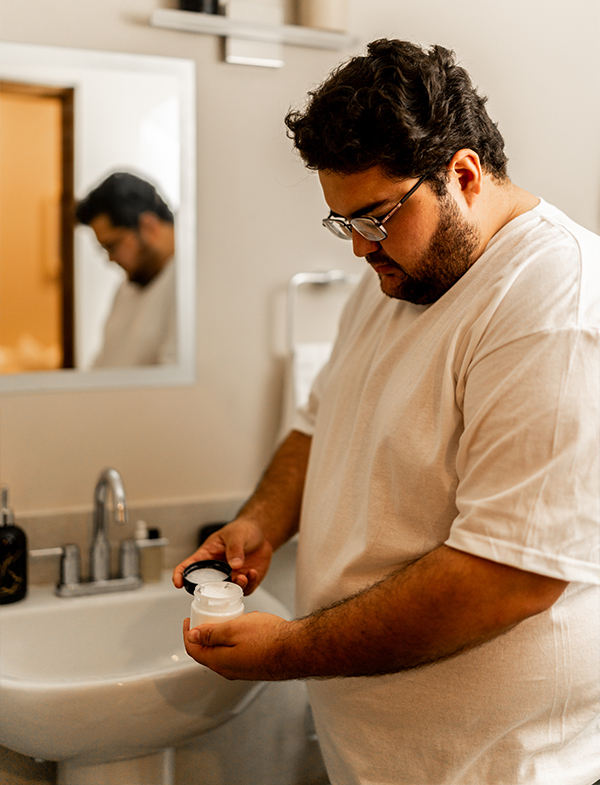
Approximately 14% of persons with testes nationwide have taken or currently take testosterone.
Having too much testosterone can also result in several side effects. It’s difficult to spot high testosterone levels in persons with testes, but it’s often associated with early puberty and infertility. Conversely, high levels of testosterone in persons with ovaries are associated with more noticeable physical appearance changes. An abundance of testosterone may also be an indication of Polycystic Ovary Syndrome (PCOS). Symptoms of both include:
- Acne or oily skin
- Deep voice
- Increased muscle mass
- Male-pattern baldness
- An excess of dark or coarse body hair
Testosterone does much more in the body than govern your sex drive. It impacts both physical development and mental health, such as bone and muscle health, mood, memory, and energy levels. If you are interested in checking your testosterone levels, you can do this through a simple blood test at your doctor’s office.