

Walk through any grocery store, and you’ll notice that food packaging is starting to sound more like a wellness retreat brochure — natural, pure, clean, organic, real. These labels are designed to make you feel confident about what you’re bringing home. But here’s the real question: do these words actually mean anything?
The truth is, “natural” and “organic” aren’t interchangeable, and knowing the difference can have a big impact on your health, your budget, and your peace of mind.
“Natural” Sounds Healthy — But It’s Mostly Marketing
The word “natural” is one of the most misleading terms on food packaging. Why? Because it isn’t strictly regulated.
A “natural” label generally means the product doesn’t contain artificial colors, flavors, or synthetic preservatives. That’s it. It doesn’t guarantee:
- How the food was grown
- What pesticides were used
- Whether the animals were given hormones or antibiotics
- How processed the ingredients are
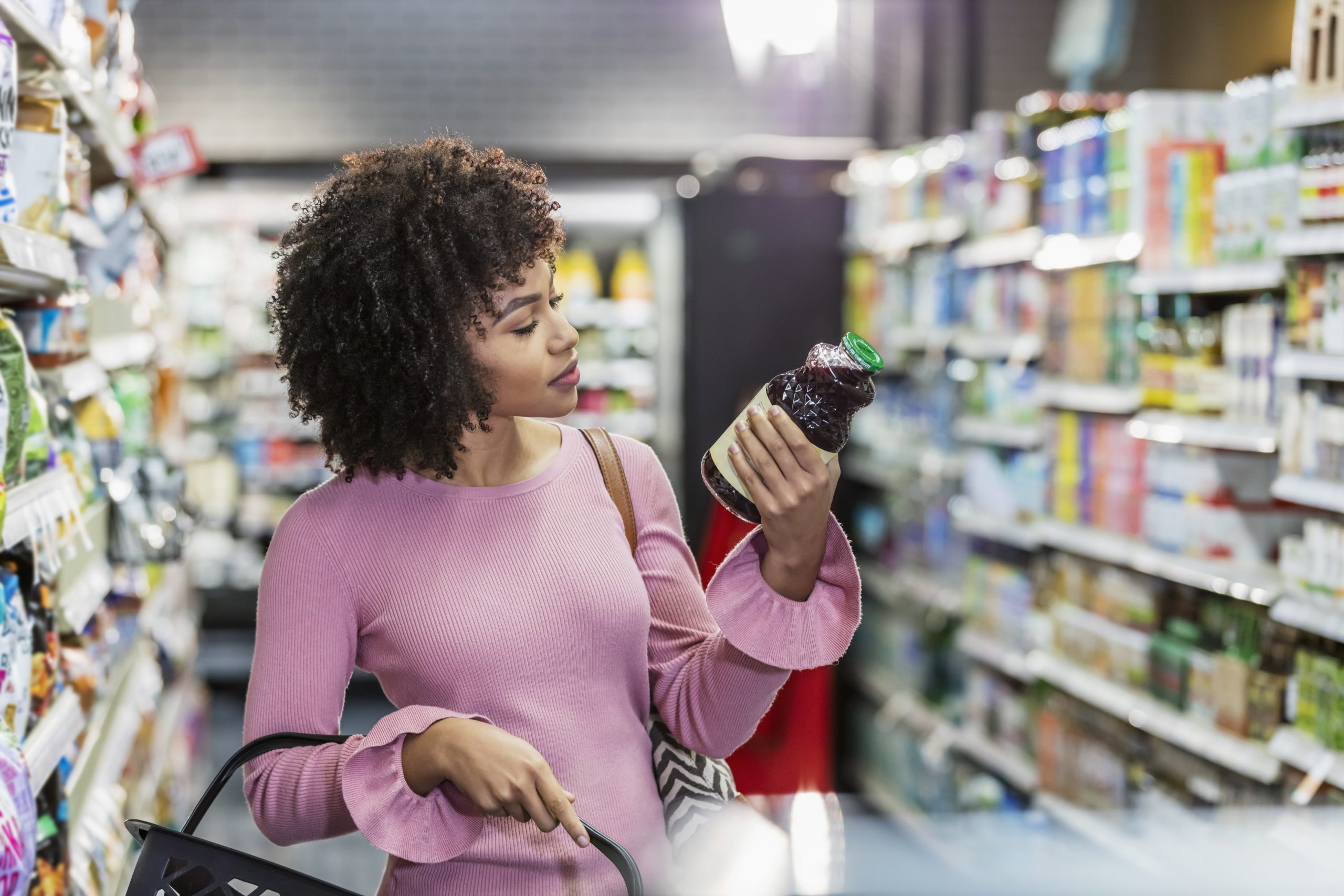
A “natural” fruit snack can still be packed with sugar. A “natural” chicken breast may still come from animals raised with conventional feed. Essentially, natural tells you what’s not in the product — but almost nothing about what is.
That doesn’t make “natural” products bad. It simply means you should read labels more carefully. If you’re prioritizing whole, minimally processed foods, look beyond the buzzword.
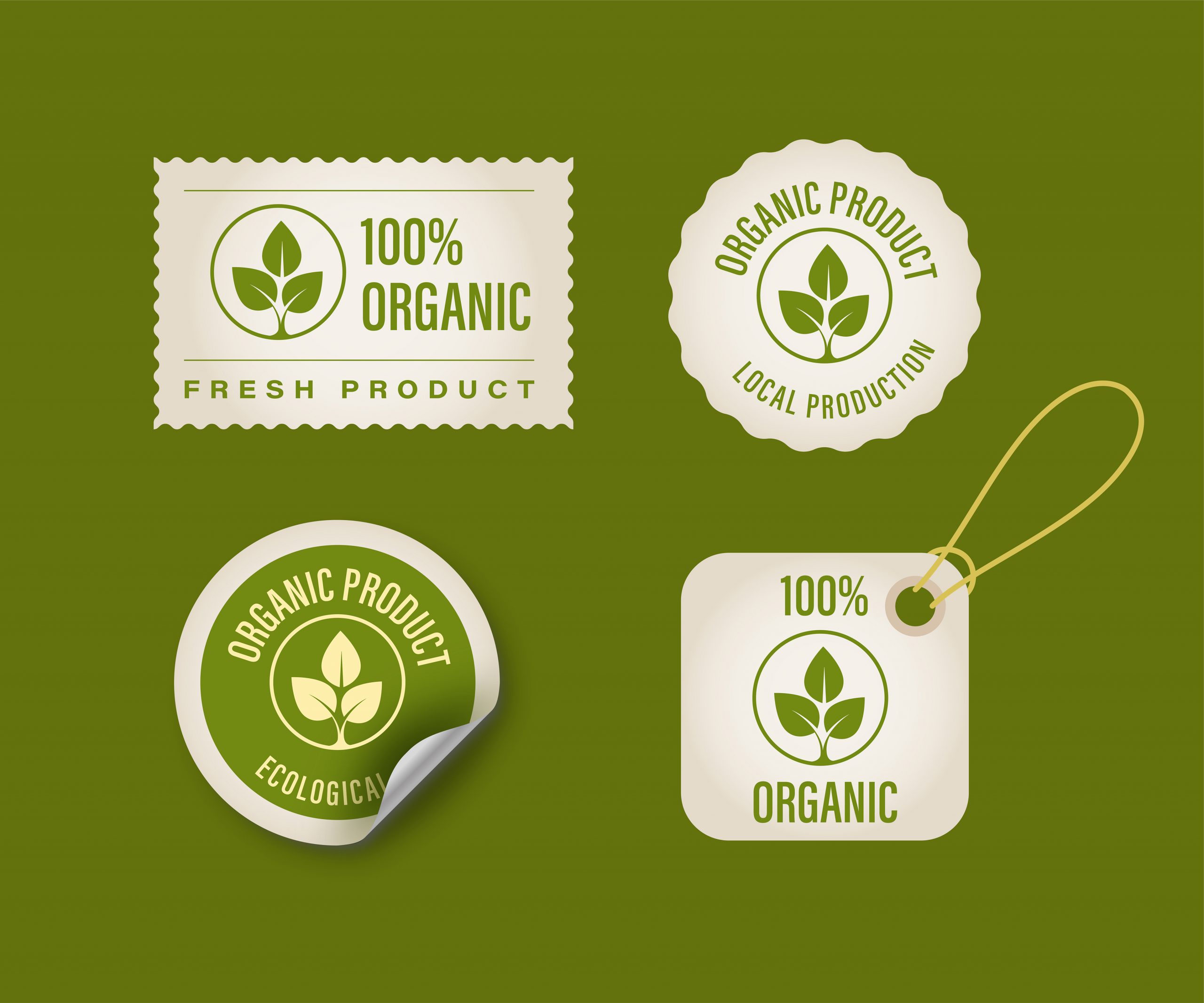
“Organic” Comes With Real Standards and Oversight
Unlike “natural,” organic actually means something — and it’s legally backed. In the U.S., organic foods must meet specific USDA requirements, which focus on how ingredients are grown, raised, and processed. These standards include:
- No synthetic pesticides or fertilizers
- No genetically modified organisms (GMOs)
- No antibiotics or growth hormones in animals
- Strict rules about soil quality, pest control, and animal welfare
Because of these guidelines, organic labels offer a clearer picture of what you’re buying. For many people, that transparency is worth the higher price tag. It doesn’t mean organic food is automatically more nutritious, but it does mean the farming practices are more controlled and environmentally mindful.
Organic labeling also has tiers:
- “100% Organic” – Every ingredient meets organic standards
- “Organic” – At least 95% of ingredients are organic
- “Made With Organic Ingredients” – At least 70% organic ingredients
This grading system makes it easier to understand what you’re getting — something the “natural” label simply can’t offer.

At the end of the day, understanding labels empowers you — not the marketing team behind the packaging. Here’s how to decide what’s right for you:
If transparency matters most: Go organic. You’ll know more about how your food was produced and what was avoided in the process.
If your budget is tight: Choose organic strategically. Many people opt for organic versions of produce on the “Dirty Dozen” list — items more likely to carry pesticide residues — while buying conventional for the rest.
If you’re focused on fewer additives: “Natural” may be enough. Just be sure to check the ingredient list to confirm the product aligns with your health goals.
If sustainability is your priority: Organic farming tends to favor more eco-friendly practices, though not all farms are equal. Look beyond the label when sustainability is a driving concern.
No matter which label you choose, the goal is the same: food that supports your wellbeing without confusion or compromise.
72% of American consumers say that product
packaging influences their purchase decisions.