

Imagine carrying the weight of generations on your shoulders while navigating a world that often misunderstands your pain.
Nearly 65% of African American youth report traumatic experiences,
compared to 30% of their peers from other ethnic groups.
For many Black individuals, this isn’t just a metaphor — it’s reality. Mental health challenges in Black communities are deeply rooted in systemic inequities, cultural stigma, and historical trauma, yet they remain one of the least discussed topics in healthcare. It’s time to change that narrative.
Mental health conversations in Black communities often collide with cultural norms that prioritize strength and resilience. While these values have historically been survival tools, they can unintentionally silence those who need help. Phrases like “pray it away” or “just tough it out” reflect a mindset that discourages vulnerability. This stigma doesn’t just delay treatment — it amplifies suffering. According to recent studies, Black adults are less likely to seek mental health care compared to other racial groups, even when experiencing similar symptoms. Breaking this cycle starts with normalizing mental health discussions and reframing therapy as a tool for empowerment, not weakness.


Even when stigma is overcome, access to care remains a major hurdle. Black communities face systemic barriers such as lack of insurance coverage, provider shortages in underserved areas, and implicit bias within healthcare systems. These obstacles often lead to misdiagnosis or inadequate treatment. For example, Black patients are more likely to be diagnosed with schizophrenia than mood disorders, even when presenting similar symptoms as white patients. This disparity underscores the urgent need for culturally competent care — providers who understand the unique experiences and stressors affecting Black individuals. Expanding telehealth services and diversifying the mental health workforce are critical steps toward equity.
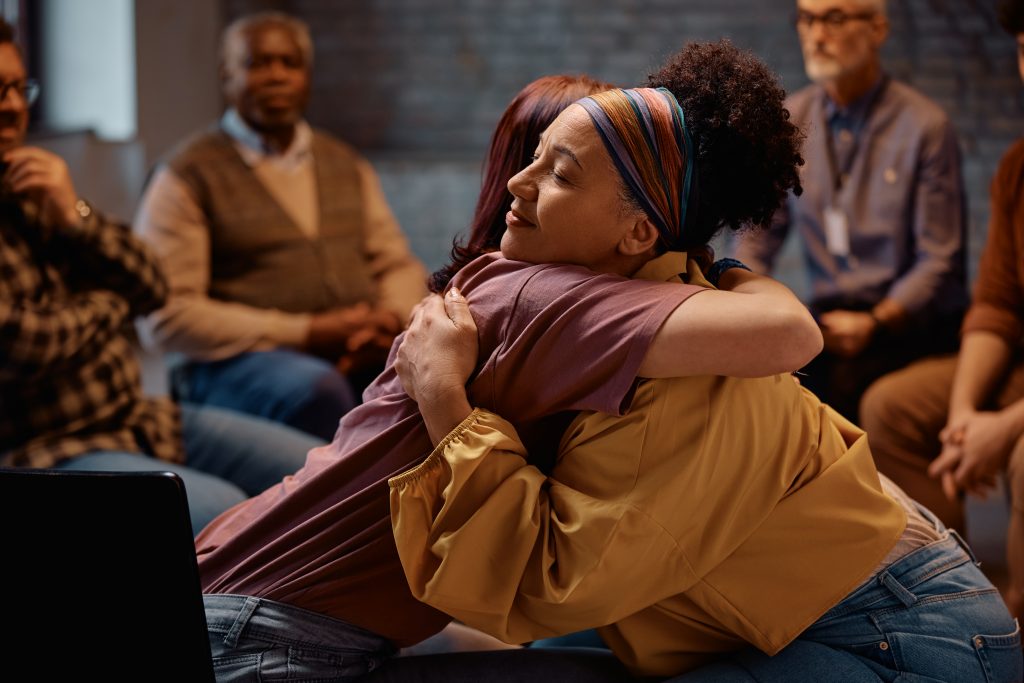
While challenges persist, solutions are emerging from within the community. Grassroots organizations, faith-based initiatives, and social media campaigns are creating safe spaces for dialogue and support. Representation matters — seeing Black therapists, advocates, and influencers openly discuss mental health helps dismantle stigma and build trust. Community-driven approaches, such as peer support groups and culturally tailored wellness programs, offer a sense of belonging that traditional clinical settings often lack. These efforts remind us that healing isn’t just individual — it’s collective. When communities unite to prioritize mental wellness, they create a ripple effect that strengthens future generations.
Black mental health is not a niche issue — it’s a public health imperative. By addressing stigma, dismantling systemic barriers, and fostering community-driven solutions, we can move toward a future where mental wellness is accessible and celebrated for all. The conversation starts now. Are you ready to be part of it?