
Category Archive

2026 February

GLP-1s Explained: Weight, Wellness, and More

Every revolution in medicine begins with a discovery that seems small at first.

For GLP-1, that discovery was a hormone quietly produced in the gut, released after meals to help the body manage energy. Today, GLP-1s are no longer obscure — they’re reshaping how we think about diabetes, weight, heart health, and more.

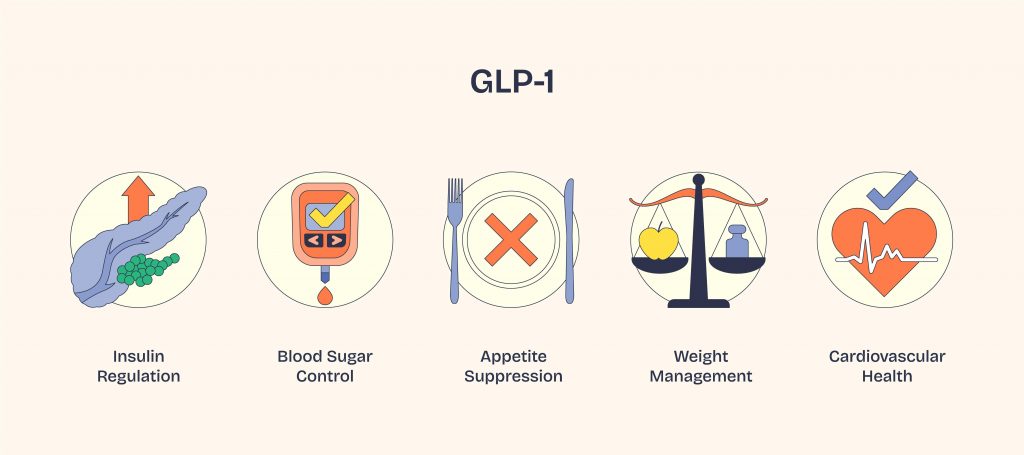
GLP-1, short for glucagon-like peptide-1, is a natural hormone that plays a critical role in digestion and metabolism. When food enters the stomach, GLP-1 is released, sending signals to the pancreas, liver, and brain. It tells the pancreas to release insulin only when blood sugar is high, suppresses glucagon so the liver doesn’t flood the bloodstream with sugar, and slows digestion so you feel fuller longer. Pharmaceutical science has harnessed this natural process, creating GLP-1 medications that mimic and extend the hormone’s effects.

What Are the Benefits?

The impact of GLP-1s is wide-ranging. They improve blood sugar control, making them a cornerstone therapy for type 2 diabetes. They reduce appetite by slowing stomach emptying, which often leads to meaningful weight loss. They also influence the brain’s appetite centers, dialing down cravings and helping people feel satisfied with less food.

But the benefits don’t stop there. GLP-1s have been shown to lower the risk of cardiovascular events like heart attacks and strokes, improve cholesterol and triglyceride levels, and even show promise in protecting kidney health. Over time, consistent use can reduce complications tied to chronic disease, offering not just short-term relief but long-term outcomes. Recent studies have shown promising results for treatment for chronic pain, inflammation, and addiction recovery due to how GLP-1s affect brain signals.

How Do GLP-1s Work?

Think of GLP-1s as conductors of a metabolic orchestra. They cue the pancreas to release insulin only when it’s needed, preventing dangerous spikes or drops in blood sugar. They quiet the liver’s tendency to overproduce sugar, keeping levels steady. They slow the digestive process, stretching out satiety and reducing overeating. And they act directly on the brain, influencing appetite regulation in ways that make healthy choices easier to sustain.

How Do You Use GLP-1s?

GLP-1 medications come in both injections and pills, depending on the formulation. Some are taken daily, while others are designed for weekly use, offering flexibility for different lifestyles. They’re most effective under medical supervision, since dosing and monitoring are essential. Pairing GLP-1s with healthy eating with plenty of protein and fiber and regular exercise with a focus on strength training amplifies their benefits, turning them into powerful allies in a holistic health plan.

Like any therapy, they come with considerations. Side effects such as nausea or gastrointestinal discomfort are common early on but often fade with time. Other common side effects include headaches, muscle loss, and hair loss. They aren’t suitable for everyone — those with certain medical histories, like pancreatitis, may need alternatives.

And consistency matters; the benefits build gradually over weeks and months, not overnight.

GLP-1s are not magic bullets, but they are remarkable tools. They work best as part of a broader approach to health, complementing lifestyle changes and other therapies. What makes them so exciting is their ability to harness the body’s own biology — transforming a natural hormone into a modern medical breakthrough.

The story of GLP-1s is one of science uncovering the hidden power of the body’s signals. From a quiet hormone in the gut to a global movement in medicine, GLP-1s prove that sometimes the smallest discoveries can spark the biggest revolutions. They offer balance, health, and hope — not as miracles, but as evidence that biology itself can be our greatest ally.

Nearly 12% of Americans have used GLP-1 drugs for weight loss,
including about one-fifth of women aged 50 to 64.

Breaking the Silence: Black Mental Health Matters

Imagine carrying the weight of generations on your shoulders while navigating a world that often misunderstands your pain.

Nearly 65% of African American youth report traumatic experiences,
compared to 30% of their peers from other ethnic groups.

For many Black individuals, this isn’t just a metaphor — it’s reality. Mental health challenges in Black communities are deeply rooted in systemic inequities, cultural stigma, and historical trauma, yet they remain one of the least discussed topics in healthcare. It’s time to change that narrative.

Mental health conversations in Black communities often collide with cultural norms that prioritize strength and resilience. While these values have historically been survival tools, they can unintentionally silence those who need help. Phrases like “pray it away” or “just tough it out” reflect a mindset that discourages vulnerability. This stigma doesn’t just delay treatment — it amplifies suffering. According to recent studies, Black adults are less likely to seek mental health care compared to other racial groups, even when experiencing similar symptoms. Breaking this cycle starts with normalizing mental health discussions and reframing therapy as a tool for empowerment, not weakness.

Even when stigma is overcome, access to care remains a major hurdle. Black communities face systemic barriers such as lack of insurance coverage, provider shortages in underserved areas, and implicit bias within healthcare systems. These obstacles often lead to misdiagnosis or inadequate treatment. For example, Black patients are more likely to be diagnosed with schizophrenia than mood disorders, even when presenting similar symptoms as white patients. This disparity underscores the urgent need for culturally competent care — providers who understand the unique experiences and stressors affecting Black individuals. Expanding telehealth services and diversifying the mental health workforce are critical steps toward equity.

While challenges persist, solutions are emerging from within the community. Grassroots organizations, faith-based initiatives, and social media campaigns are creating safe spaces for dialogue and support. Representation matters — seeing Black therapists, advocates, and influencers openly discuss mental health helps dismantle stigma and build trust. Community-driven approaches, such as peer support groups and culturally tailored wellness programs, offer a sense of belonging that traditional clinical settings often lack. These efforts remind us that healing isn’t just individual — it’s collective. When communities unite to prioritize mental wellness, they create a ripple effect that strengthens future generations.

Black mental health is not a niche issue — it’s a public health imperative. By addressing stigma, dismantling systemic barriers, and fostering community-driven solutions, we can move toward a future where mental wellness is accessible and celebrated for all. The conversation starts now. Are you ready to be part of it?

For resources dedicated to the mental health of the black community,
please visit BEAM (Black Emotional and Mental Health Collective) at beam.community.

Healthy Mouth, Healthy Body

What if the secret to a healthier heart, sharper mind, and stronger immune system was hiding in your smile?

While most of us think of dental care as simply brushing, flossing, and avoiding cavities, research shows that the health of your mouth is deeply connected to the health of your entire body. Your teeth and gums aren’t just about aesthetics — they’re a window into your overall wellbeing.

Oral Health and Heart Disease

The connection between gum disease and cardiovascular health is one of the most striking examples of how oral health impacts the body. Gum disease, or periodontal disease, begins when bacteria accumulate along the gumline, leading to inflammation and infection. Left untreated, this inflammation doesn’t stay confined to the mouth — it can spread through the bloodstream. Once bacteria and inflammatory markers circulate, they can contribute to the buildup of arterial plaque, narrowing blood vessels and increasing the risk of heart disease and stroke.

Several studies have shown that individuals with periodontal disease are significantly more likely to experience cardiovascular complications. In fact, researchers believe that gum disease may act as a silent contributor to heart problems, especially in people who already have other risk factors such as high blood pressure or high cholesterol. The takeaway is clear: brushing and flossing aren’t just cosmetic habits; they’re preventive measures that may reduce systemic inflammation and protect your heart. Regular dental checkups, professional cleanings, and early treatment of gum disease can serve as an important line of defense against cardiovascular illness.

Oral Health and Diabetes

The relationship between diabetes and oral health is a two-way street, and it’s one of the most complex interactions in medicine. Poorly controlled diabetes can weaken the body’s ability to fight infections, making gum disease more likely and more severe. At the same time, gum disease itself can worsen diabetes by interfering with blood sugar regulation. This happens because chronic inflammation in the mouth can reduce the body’s sensitivity to insulin, creating a vicious cycle that makes both conditions harder to manage.

For people living with diabetes, oral health care is not optional — it’s essential. Routine dental visits can help identify early signs of gum disease, such as bleeding gums or persistent bad breath, before they escalate into more serious problems. By maintaining strong oral hygiene habits — brushing twice daily, flossing, and using antibacterial mouth rinses — patients can reduce oral inflammation and improve their overall metabolic control. In fact, research suggests that treating gum disease can lead to better blood sugar levels, underscoring the importance of oral care as part of diabetes management.

Oral Health and Cognitive Function

Emerging research suggests that oral health may even influence brain health, adding another layer to the mouth-body connection. Chronic gum disease has been linked to an increased risk of cognitive decline and conditions such as Alzheimer’s disease. The theory is that bacteria from the mouth can travel to the brain through the bloodstream or along nerve pathways, triggering inflammation that damages nerve cells over time.

This connection is still being studied, but the evidence is compelling enough to encourage a proactive approach to oral hygiene. Cognitive decline is one of the most feared aspects of aging, and if something as simple as brushing and flossing can help reduce that risk, it’s worth the effort. Beyond bacteria, oral health also affects nutrition, which in turn influences brain health. Missing teeth or painful gums can make it harder to eat nutrient-rich foods, leading to deficiencies that may impact memory and concentration. By protecting your teeth and gums, you’re not only preserving your smile but also supporting your brain’s long-term resilience.

Your mouth is more than a gateway for food — it’s a gateway to your health. From heart disease to diabetes to cognitive decline, the evidence is clear: oral health and overall health are inseparable. By prioritizing dental care, you’re investing in your body’s long-term wellbeing. So the next time you reach for your toothbrush, remember — you’re not just protecting your teeth, you’re protecting your future.

The ADA recommends visiting the dentist at least twice a year.

Coinsurance

Coinsurance often feels confusing because it kicks in after your deductible is met, and costs can fluctuate depending on the provider and service.

Coinsurance is the percentage of healthcare costs you pay after meeting your deductible. For example, if your plan lists 20% coinsurance, you’ll pay 20% of the bill while your insurer covers the remaining 80%. Unlike copays, which are fixed amounts, coinsurance varies based on the total cost of care. This means a simple office visit might feel manageable, but a hospital stay could lead to a hefty bill. Knowing your coinsurance rate — and when it applies — helps you anticipate expenses and avoid financial surprises.

Many people assume insurance covers most expenses, only to discover that coinsurance applies to everything from lab tests to surgeries. If your plan has a high coinsurance rate, even routine care can add up quickly. This is why reviewing your plan details before scheduling major procedures is crucial. Understanding these terms upfront can save you stress — and money — later.

Managing coinsurance starts with being proactive. First, check if your provider is in-network; out-of-network care usually means higher coinsurance rates. Second, consider preventive services — many plans cover these at no cost, reducing your overall spending. Finally, explore options like Health Savings Accounts (HSAs) or Flexible Spending Accounts (FSAs) to offset out-of-pocket costs. These strategies don’t eliminate coinsurance, but they make it easier to handle when unexpected bills arrive.

Coinsurance may sound complicated but understanding it is key to controlling healthcare costs. By learning how it works, anticipating expenses, and planning ahead, you can turn confusion into confidence — and keep your financial health as strong as your physical health.