Category Archive

2026 January

Paid Time Off

2026 January, Benefit Spotlight December 30, 2025

Taking breaks off work is vital to our health and wellbeing. But with countless activities to do and several different months to choose from, how do we know we’re utilizing our Paid Time Off (PTO) to its fullest? There’s a couple things to consider:

Timing

You might be tempted to take your PTO around federal holidays to lengthen your vacation time. In the case of Labor Day or the winter holidays, this could turn just a couple well-placed PTO days into a 9 – 10 day break! But does a longer time off work mean more health benefits? Well, not entirely. Research shows that wellness benefits peak at 8 days, so there’s not much advantage to taking 2 – 4 weeks of vacation, at least in the way of positive health impact. Instead, you would be better off taking several short vacations throughout the year, whenever you start to feel burnt out. That way you relax and refresh more consistently, maintaining higher levels of health and wellness compared to those who take a single, long vacation.

Activities

What you do during vacation is just as important as the length of your break. Unsurprisingly, engaging in work-related activities during vacation does nothing to improve your health and wellness. In fact, it means you won’t see any vacation-powered health benefits, even if you take 8 days off. So, turn off your email notifications, silence all incoming calls, and shut down your laptop. Focus entirely on your time off!

Instead, you could go for a ski trip with your family, take a solo trip overseas, or even have a staycation in your own house. Go on a trip or stay inside, it doesn’t really matter where you spend your PTO. While travel may help you mentally distance from work, there’s not a huge benefit difference between either choice.

Both physical and social activities give you a huge mental energy boost, so choose whichever you prefer. Some ideas include:

  • Camping The outdoors is a perfect place to reset! But if finding somewhere to pitch a tent is too difficult or costly for you, why not set up camp in your own backyard? You can roast marshmallows (or microwave them, if you’re at home), hunt for fireflies, or look up at the stars!
  • Family Game Night – Settle in for a night of fun with your loved ones! Want a fast-paced, easy-to-pick-up game? Try Uno! Want something a little more tactical? Catan requires a little more set-up but is equally engaging. Puzzles are also great for all ages!
  • A Trip to the Library – Reading is a wonderful (and free) way to spend your PTO, but libraries offer much more than just books! You can also rent movies, participate in craft classes or book clubs, borrow games and toys, and even just bask in the library’s sweet silence.
  • Visiting Another City – Whether it’s a road-trip or a plane ride to a different country, travel is a great way to shake things up. Bring along your friends or family for added fun, or go adventuring out on your own. Either way, you’ll get to escape from all the boring parts of daily life, like vacuuming the house or doing the dishes.

But if none of these ideas appeal to you, research suggests that doing nothing at all is the best way to spend your time off. Compared to social and physical activity, doing nothing has the longest lasting health and wellness benefits, keeping your moods high even after you return to work. So, if you just spend your PTO lazing around the house, don’t feel bad! You’re just maximizing your vacation benefits.

Your brain is like a battery, and it doesn’t work if it’s out of juice. Taking your PTO is an excellent way to relax, refresh, and recharge. Don’t wait until December to use it all in one go, either! Be proactive about your health by sprinkling some vacation days throughout the year. Your mind and body will thank you in the long run!

Give the Gift of Health This Holiday Season!

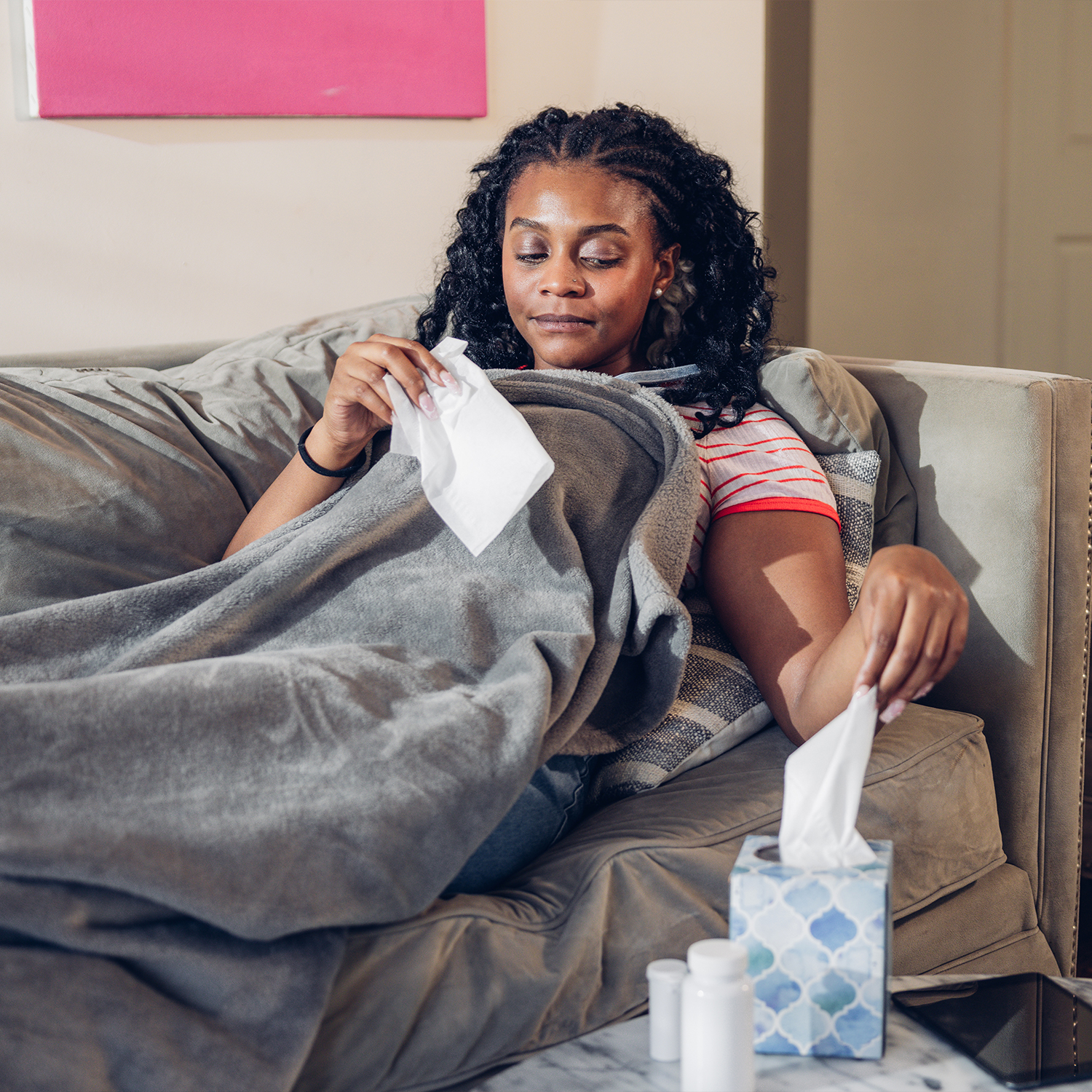
It’s that time of year again: snowfall, chilly weather, and … sneezes. While the holiday season brings us inside to gather around the fireplace with family and friends, it means an increase in flu cases across the country.

The flu, or influenza, is a contagious virus that infects the respiratory system. It specifically targets the nose, throat, and occasionally, lungs. The flu can cause mild to severe illness, or, in some cases, death. Common symptoms of the flu include:

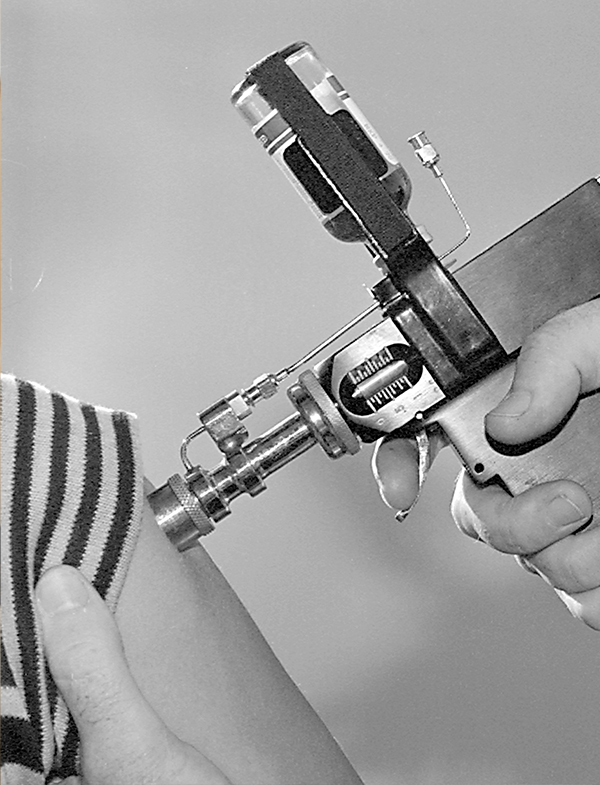
Jet injectors can generate the same (or more) amount of antibodies as the traditional needle injection can.

People with the flu may experience all, a couple, or, in rare cases, none of the symptoms mentioned. The flu can appear as the common cold, especially in individuals who experience only a sore throat and runny nose. However, the symptoms of the flu are often more intense than those of the common cold, and the virus sets in much more quickly after exposure.

The length of time that the virus is contagious varies from person to person. Generally, people are the most contagious during the first 3 days of feeling sick. However, some adults are contagious 1 day before they begin to feel sick and can continue to infect others from 5 – 7 days after their symptoms develop. Make sure to stay at home for at least a full 24 hours after you are fever-free.

The flu travels in tiny droplets created when a person sick with the flu coughs, sneezes, or talks. If these droplets land in your eyes, mouth, or nose, you could become sick within 24 to 48 hours. You could also become ill by touching a surface with the droplets and then touching your face.

The most effective way to stay safe this flu season is getting a flu shot. This lowers the risk of infection and lessens the severity of your symptoms if you do become sick. The flu shot contains the variants of the flu predicted to be the most common within the season, and a new vaccine is created every year. After receiving your flu shot, your immune system takes about 2 weeks to develop the antibodies needed to protect you from the flu. It’s recommended to get your flu shot in September or October, but it can be beneficial for you at any time. The flu still spreads during the warmer months, just less quickly.

Since the flu is a rapidly changing virus, last year’s shot may not protect you from this year’s strain. Antibodies may also decrease over time, leaving your immune system at risk for catching a serious strain of the flu. Get a new flu shot every year to ensure your body is best equipped for flu season!

If you’re not a fan of needles, there are other ways to receive your flu shot that work just as well. For those under the age of 65, you can opt for the use of a jet injector. This device uses a high-pressure, narrow stream of liquid that delivers the vaccine straight through your skin without ever piercing the top layer. There’s also a nasal spray that is approved for those between the ages 2 and 49.

According to one study, 8% of people who tested positive with the flu in the years 2017-2023 did not have any symptoms at all.

It’s especially important to receive a flu shot if you are considered a high-risk individual. You are considered high-risk if you are:

  • Over the age of 65
  • Living in a nursing home or long-care facility
  • A child under the age of 12 months
  • Pregnant, planning to be pregnant, or have recently given birth
  • Suffering from a chronic illness

In addition to your flu shot, there are other ways to minimize your chances of catching the flu. These include:

  • Washing your hands for at least 20 seconds
  • Not touching your face (eyes, nose, and mouth especially)
  • Covering your coughs and sneezes
  • Regularly cleaning surfaces in your house or place of work

Avoiding crowds

Nobody wants to spend their holiday months suffering from the flu. Make sure you’re protecting yourself and your loved ones by receiving your flu shot. If your New Year’s Resolution is about staying healthy (and even if it’s not), a flu shot is the perfect way to start your year off right!

Testosterone – The World’s Most Misunderstood Hormone

While mainly known for its connection to sexual health and strong muscles, testosterone has a much broader (and more important) role in the human body. It’s not just a “male hormone.” Everyone, regardless of sex, produces testosterone. Testosterone is created by the gonads — the testes or the ovaries — and impacts everything from physical development to mental health.

Testosterone levels are highest in adolescence and early adulthood for persons with testes and begin to decrease naturally around ages 30 and 40. But that’s not the only reason that testosterone levels can suddenly drop off. Chronic health conditions, stress, or cancer treatments, such as chemotherapy or radiation, can also impact testosterone levels.

While persons with ovaries naturally have lower levels of testosterone in their bodies, having too little can also have negative side effects. Regardless of sex, the most common symptoms of low testosterone are:

  • Osteoporosis or weakened bones
  • Low libido
  • Loss of muscle mass or muscle weakness
  • Loss of body hair
  • “Parchment-like” skin
  • Issues with memory and concentration
  • Fatigue
  • Depression, irritability, or anxiety

Currently, the FDA only approves the use of Testosterone Replacement Therapy for persons with testes that have hypogonadism, a medical condition that results in naturally lower testosterone. Hypogonadism can be the result of a genetic condition or can be caused by cancer treatments. The FDA-approved products include:

  • Topical Gels Applied directly to the skin, the testosterone gel is easy-to-use and very convenient. However, you must be careful that no one touches the area for several hours after application. This could lead to the other person accidentally taking in some of the testosterone as well.
  • Transdermal Patch – Placed on the skin like a sticker. This is also convenient and easy-to-use but can cause skin irritation or rashes. Some patches must also be applied multiple times a day.
  • Buccal Patch – Similar to the transdermal patch, the buccal patch is used like a sticker. Instead of being placed on the skin, however, the buccal patch is applied to your upper gum or inner cheek. It can cause irritation or gum disease.
  • Injection While the cheapest option on the list, injections don’t ensure a steady supply of testosterone like the gels or patches. Injections must be given either once a month, or every one and a half months.

Research suggests that testosterone helps preserve brain health and could help in reducing the risk of Alzheimer’s disease.

However, Testosterone Replacement Therapy can result in a few negative side effects, including acne and oily skin, muscle soreness, increased risk of heart attack, and infertility.

If you’re interested in trying to maintain your testosterone levels, St. Joseph’s Health offers several ways to do this without the use of Testosterone Replacement Therapy. These include:

  • Regular exercise, particularly strength training and High-Intensity Interval Training (HIIT)
  • Eating a balanced diet rich in healthy fats and protein
  • Sleeping 7 – 9 hours per night
  • Keeping stress levels low
  • Limiting alcohol
  • Making sure to get enough vitamin D and zinc

Approximately 14% of persons with testes nationwide have taken or currently take testosterone.

Having too much testosterone can also result in several side effects. It’s difficult to spot high testosterone levels in persons with testes, but it’s often associated with early puberty and infertility. Conversely, high levels of testosterone in persons with ovaries are associated with more noticeable physical appearance changes. An abundance of testosterone may also be an indication of Polycystic Ovary Syndrome (PCOS). Symptoms of both include:

  • Acne or oily skin
  • Deep voice
  • Increased muscle mass
  • Male-pattern baldness
  • An excess of dark or coarse body hair

Testosterone does much more in the body than govern your sex drive. It impacts both physical development and mental health, such as bone and muscle health, mood, memory, and energy levels. If you are interested in checking your testosterone levels, you can do this through a simple blood test at your doctor’s office.

OHM, Actually… You Do Have Time for Daily Meditation

Forget the singing bowls, crystals, or lavender incense, meditation requires far less time and effort than generally believed. With just a little bit of focus, you too can reap meditation’s numerous health benefits.

Consistent meditation can help decrease symptoms of depression and anxiety, improve mood, strengthen memory and attention, reduce chronic pain symptoms, and even help you to recover quickly from illness. But living a busy, modern day life leaves little room for meditation. Or does it?

The American Psychological Association defines mindfulness meditation as, “training your attention to achieve a mental state of calm concentration and positive emotions,” and breaks the practice into two main parts:

  1. Focus on the physical sensations of your body, your thoughts, and your feelings in the present moment.
  2. Observe your thoughts and feelings without judgement. Take note of their existence and let them go.

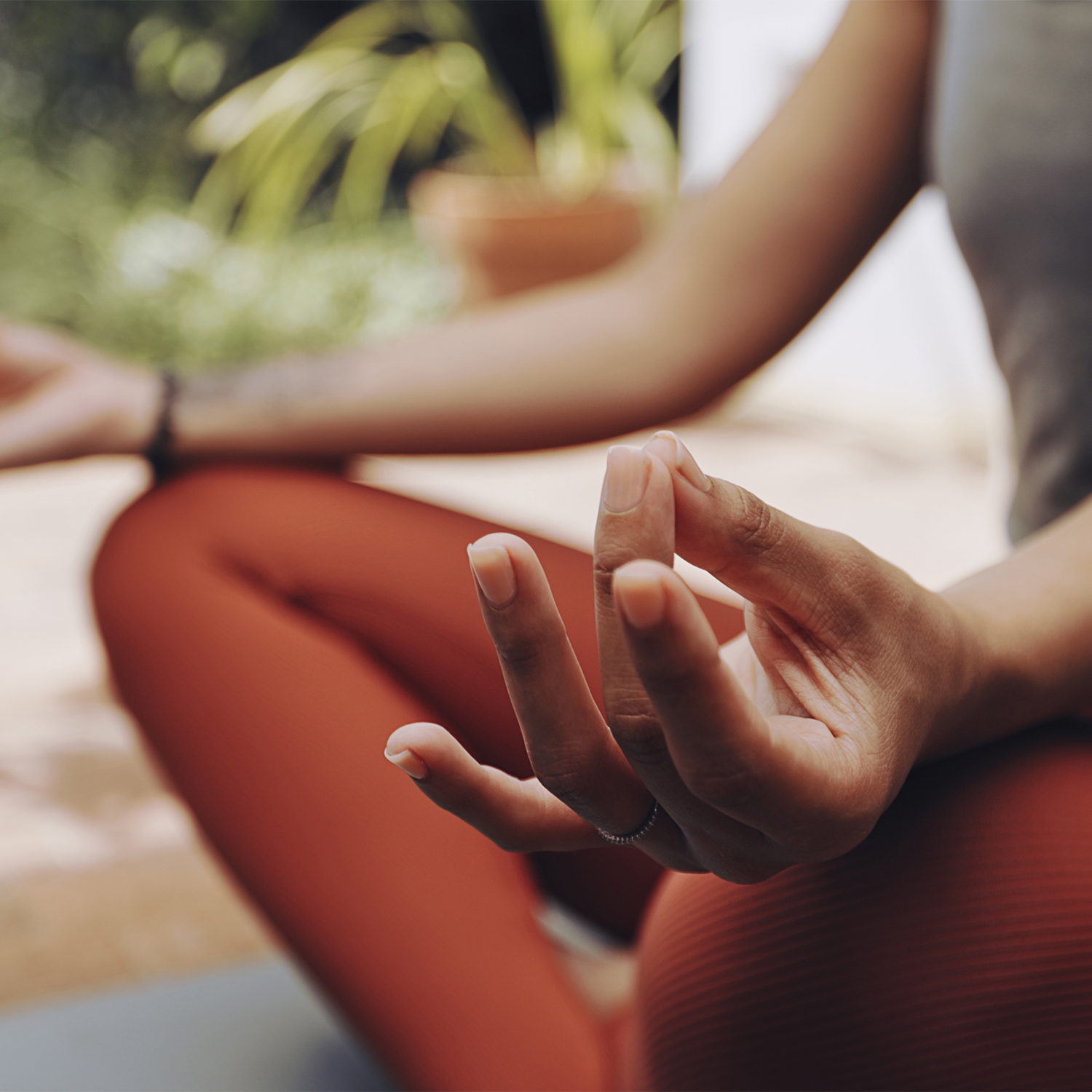
This practice of mindfulness meditation can be used throughout the day, any time you need to slow down and take a breather. Instead of mindlessly slogging through the daily motions of life, the NHS Foundation Trust has great suggestions for incorporating mindfulness meditation into otherwise mundane activities. Here’s a few for you to try out today:

Research shows that meditation can be just as effective for improving symptoms of depression as an antidepressant.

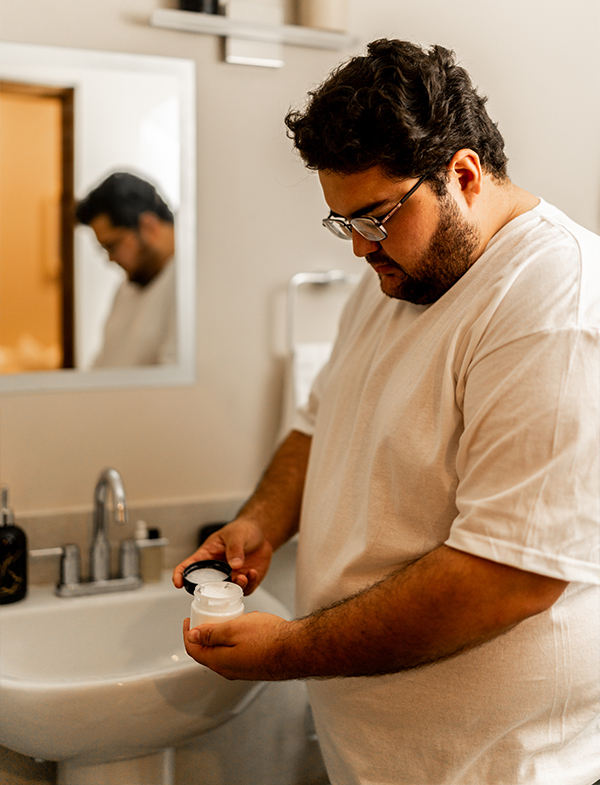
Brushing Your Teeth – While you do the important job of maintaining your dental health, why not enhance your mental health as well? As you brush, start by focusing on the feeling of the toothbrush against your teeth. How does your toothpaste taste? Is it spicy, refreshing, bland, or sweet? Bring your attention to the movements of your hand and the feeling of the brush beneath your fingertips. Try and focus on these sensations completely. If your thoughts drift away from the present moment, acknowledge them and let them go, then return to your body.

Eating Lunch Taking your lunch break is always a good way to refresh and recharge, but by combining it with mindful meditation, you could also be preparing your mind for the rest of the day. Begin by focusing on the texture of the food as you eat. Is it soft, hard, chewy, or soft? Pay attention to the texture and color of the food. How does it taste? Notice the way your mouth moves as you chew. You don’t need to meditate for the entire lunch break but try being mindful for at least the first couple bites. See if this exercise helps you focus better once you return to work.

Reading Your Emails Is your inbox stressing you out? It’s a common reaction. Mindful meditation can help you calm down, so you have no problems tackling today’s emails. First, take a couple seconds to turn away from the computer screen. Notice the feeling of the chair beneath you, and the weight of your arms on the table. Bring your attention to your feet on the ground. Can you feel the rhythm of your inhales and exhales as you breathe? If you start to worry about today’s to-do list, accept these thoughts as they arise and refocus your attention on your physical body. Do this for a couple seconds to a minute before returning to your emails feeling energized and invigorated.

Combine Your Exercise With Meditation – Every year, the most popular new year’s resolution is working out more. But your overall wellbeing comes from more than just physical exercise — your mental health is just as important. Combine your physical and mental health journeys by simply applying the practices of attention and acceptance as you work out. Pay attention to where you feel the stretches in your body, or how the muscles in your arms react as you use weights. Instead of listening to music, try to be fully in tune with yourself as you exercise. This is a great way to strengthen both your body and mind at the same time!

Mindfulness meditation is easily adapted to any lifestyle, no matter your schedule. Don’t let yourself get bogged down by the busyness of daily life. Research shows that only 12 to 15 minutes of mindfulness meditation 3 to 4 times a week is required to see profound improvement in your quality of life. Take the step towards bettering your health today and start living mindfully!