

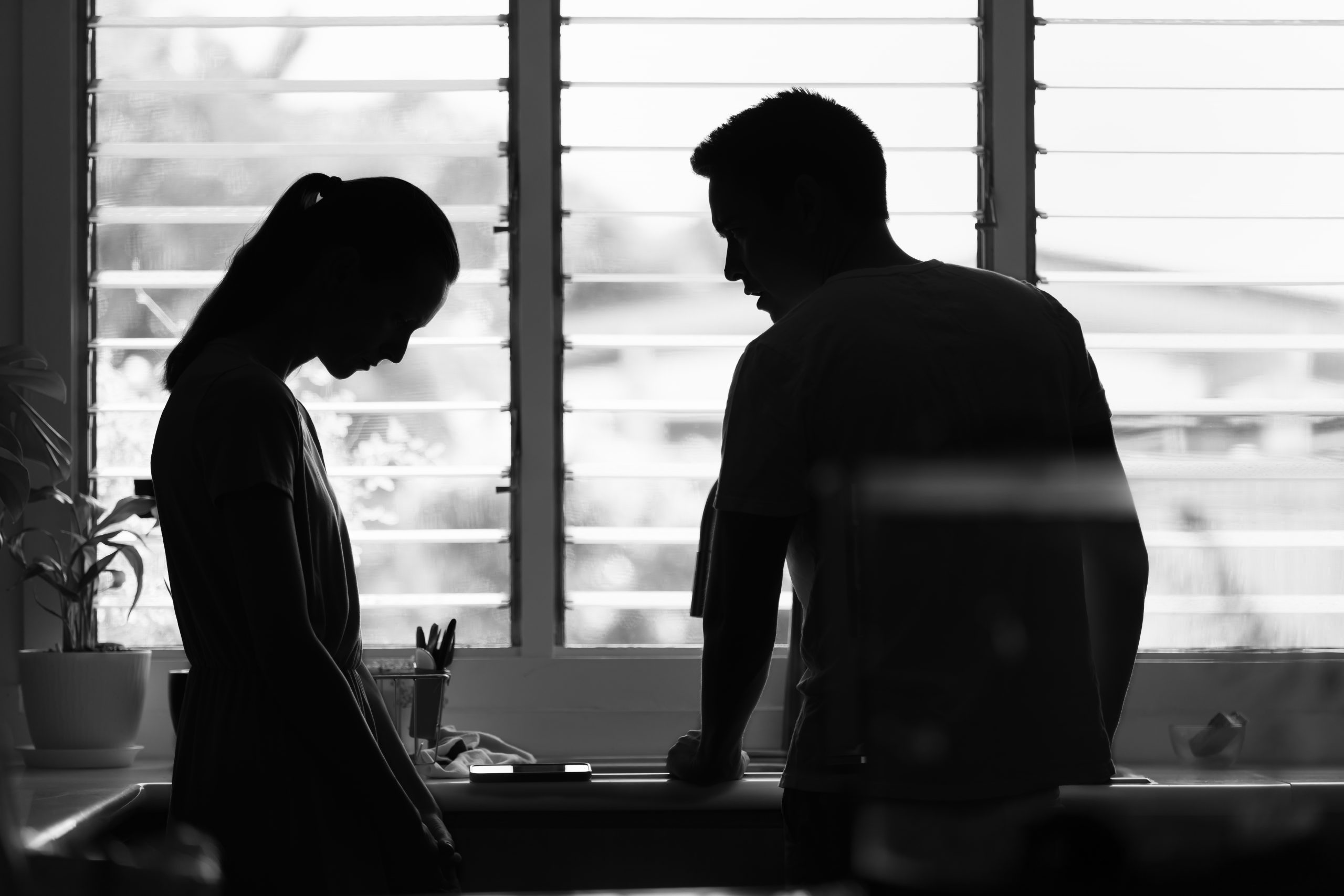
Domestic abuse is highly prevalent in the United States. Nearly 1 in every 2 women and more than 2 in every 5 men report domestic abuse at some point in their lives. While physical abuse may be the most known form of intimate partner violence, it is not the only way that abuse manifests in relationships. Being able to recognize signs of domestic abuse is incredibly important in keeping ourselves, our loved ones, and our communities safe.

Some common signs of abusive behavior in a partner include:
- Telling a partner that they can’t do anything right
- Being extremely jealous when a partner spends time with others
- Preventing a partner from making their own decisions
- Insulting a partner in front of others
- Pressuring a partner to do things they don’t want to do
- Threatening physical violence
If one or more of these signs are present in a relationship, it may signal that abuse is occurring.
Physical abuse does not only refer to physical attacks but also threats of violence. It usually occurs alongside other forms of abuse, such as emotional or financial. Signs that you or someone else may be experiencing physical abuse include:
- Punching, scratching, choking, kicking, strangling, biting, or smothering a partner
- Throwing items at or near a partner
- Touching a partner without permission
- Pulling a partner’s hair
- Preventing a partner from leaving home or calling emergency services
- Driving recklessly or abandoning a partner in unfamiliar places
- Forcing a partner to use drugs or alcohol
- Preventing a partner from taking medication
Emotional abuse refers to non-physical behaviors intended to demean, isolate, control, and intimidate another person. Emotional abuse is subtle, but no less serious than physical violence. Signs of emotional abuse include:
- Insults and name calling
- Attempts to control what a partner wears
- Gaslighting
- Cheating to intentionally hurt a partner
- Blaming a partner for their abusive behaviors
- Making a partner feel guilty for saying no to something, sexual or otherwise
- Constant criticization


Sexual abuse refers to non-consensual or forced physical and sexual intimacy. Refusing to allow the use of birth control, condoms, or other methods of sexually transmitted infection (STI) prevention are forms of sexual abuse. Other signs include:
- Unwanted kissing, touching, or violent sexual activity
- Forcing a partner to dress in sexual outfits
- Using explicit or sexual names to insult a partner
- Sexual contact with those who cannot give clear consent, including those who are intoxicated, unconscious, or asleep
- Strangling, restraining, or holding a partner down during sex without consent
- Involving weapons, objects, or other people in sexual activity without consent
- Intentionally hurting a partner during sex or attempting to give a partner an STI
Financial or economic abuse involves the abusive partner controlling the finances of another to maintain control and power over them. Financial abuse can look like:
- Monitoring a partner’s transactions or imposing an allowance
- Depositing a partner’s money into an account they can’t access
- Harassing a partner’s employer or coworkers
- Maxing out a partner’s credit card without permission
- Restricting the number of hours a partner is allowed to work
- Stealing money
- Refusing to give the partner money for necessary items like food, clothing, or medical care
Online abuse, or technology-facilitated abuse, involves the use of technology to bully, harass, frighten, or control a partner. This can include stealing the passwords of a partner’s social media, looking through a parter’s phone without permission, or monitoring a partner’s whereabouts through GPS or spyware. Another form of technology-facilitated abuse is Image-based sexual abuse (IBSA), which refers to the theft, creation, distribution, or extortion of sexually explicit material without the consent of the person depicted in the content. Examples of IBSA are:
- Using sexually explicit material as blackmail
- Non-consensually distributing sexual material (sometimes referred to as “revenge porn”)
- Taking non-consensual photos or videos by positing the phone above or underneath another person (sometimes referred to as “down blousing” or “upskirting”)
- Generating or creating sexually explicit videos or photos with AI or photoshop (sometimes called “deepfake”)
If you suspect that you, a loved one, or a member of your community are experiencing domestic abuse, there are many ways to find or offer help:
- Find support: Talk to a friend, family member, or mentor
- Create a safety plan: Through the National Domestic Violence Hotline, you or another person experiencing abuse can create a practical plan to help identify abuse, find the words to describe the situation, and prepare to leave.
- Go to an emergency room or health clinic: Providers can treat injuries resulting from assault, offer medications for STIs or birth control, and may be able to connect you or another person to sexual assault advocates.
- Contact love is respect to speak to an advocate and find nearby resources. You can call, text, or chat on their website with support available 24/7.

The National Domestic Violence Hotline offers resources for people from all walks of life, including support services for Deaf or hard of hearing and Native American survivors.