Category Archive

2026 July

Chronic Illness and Health Issues Faced by U.S. Veterans

Mature doctor talking to army soldier

The battles that military personnel face do not stop once they return home from deployment. United States veterans experience significant long-term health issues and chronic diseases in numbers much higher than in non-veterans. This includes physical injuries, mental health struggles, and conditions that develop after retirement. Some of the most common medical conditions found in the United States veteran population include:

Black Psychologist Lady Making Therapy Session In Office With Depressed Female Soldier
Worried senior man with female doctor in waiting room at the clinic.

AL Amyloidosis, Hodgkin’s Disease, Parkinson’s Disease, ALS, prostate cancer, and respiratory cancers can be caused by exposure to herbicides, which includes Agent Orange.

The U.S. Department of Veterans Affairs (VA) offers healthcare to veterans. Those who served in active military, naval, or air service and didn’t receive a dishonorable discharge may be eligible to sign up for VA healthcare. Some current or former Reserves or National Guards members may also be eligible if they have been called to active duty. VA healthcare covers the Affordable Care Act’s 10 essential health benefits, which include doctor’s visits, preventative care, rehabilitation services, and mental health support.

There are also many nonprofit organizations that support veterans and help connect them to benefits and social groups.

America’s Warrior Partnership (AWP) helps veterans and their families find organizations in their local area. By helping veterans connect with their communities, the AWP helps prevent veteran suicide. In 2023, the Military Family Advisory Network (MFAN) found that 59.1% of military and veteran families reported experiencing loneliness. Research shows that loneliness and feeling of suicidality are related, making the AWP’s work an important part of veteran’s health post-employment.


Psychologist Lady Comforting African American Military Woman At Therapy Session
Unrecognizable wounded warrior discusses symptoms with doctor

The Wounded Warrior Project (WWP) offers veterans and their families a variety of free programs, events, and assistance to help veterans return to civilian life. Their mental health program, Warrior Care Network, offers treatment for PTSD and other mental health disorders. They also provide the Warriors to Work program, which connects veterans to employers. Project Odyssey is a free 12-week mental health program for veterans and their families that teaches methods of dealing with mental health disorders. The Independence Program provides veterans with social workers and therapists to help overcome severe physical or neurological conditions that make day-to-day living difficult. The WWP helps veterans in every aspect of their lives, from mental health to peer support.

Hiring Our Heroes is a not-for-profit organization focused on helping veterans transition into the civilian workforce. They also provide resources for military spouses and active service members. Through virtual and in-person hiring events, workshops, and seminars, HOH serves an important role for the military community.

Middle Aged Caucasian Man Receiving Support during Psychology Counseling Session

There are more than 18 million veterans in the U.S., but only 6 million veterans utilize the VA’s healthcare programs.

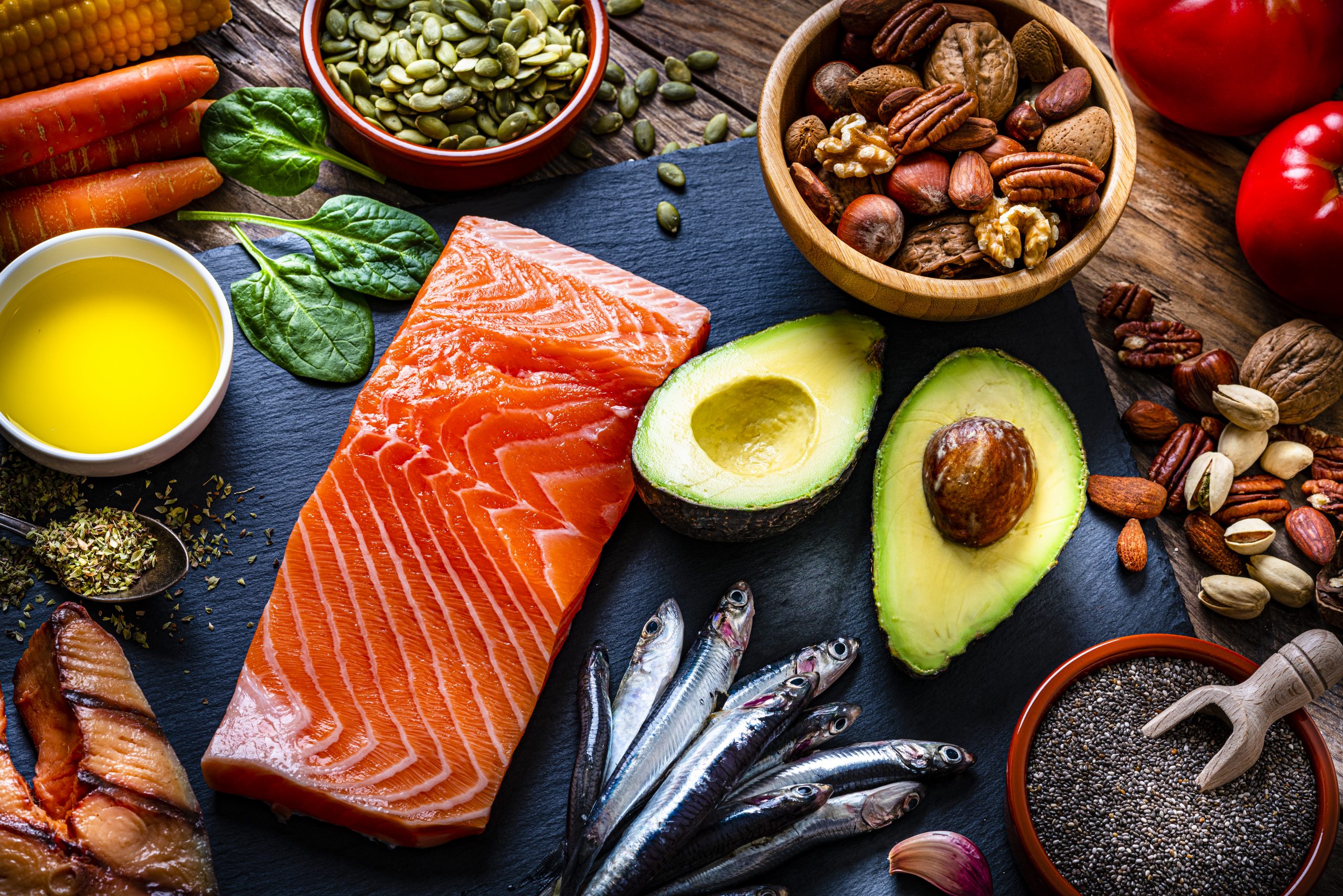
Dieting Without Calorie Counting

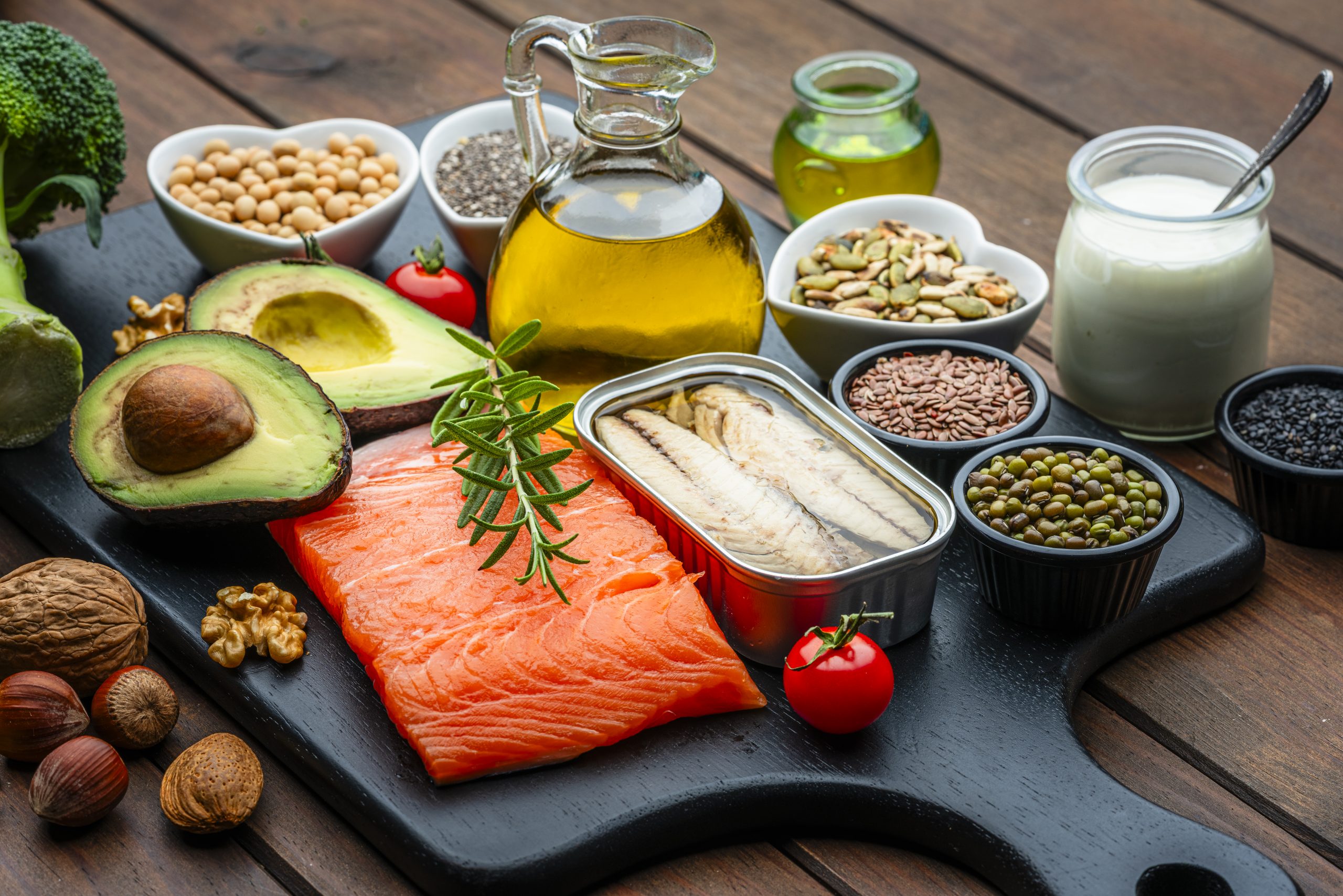
Food products representing the Mediterranean diet

Dieting is often synonymous with counting calories or chugging protein drinks. They can be difficult to maintain and may feel like more work than they’re worth. But the Mediterranean diet offers a new way to eat healthy and stay fit. Inspired by the traditional foods of the countries that border the Mediterranean Sea, the Mediterranean diet does not have calorie intake restrictions. Rather, the focus is on the types of food you’re consuming. It emphasizes eating plant-based foods without being vegan or vegetarian. Fish, poultry, and eggs are a regular part of most Mediterranean diet plans. In general, the Mediterranean diet includes:

  • Eating more fruits, vegetables, whole grains, beans, lentils, and nuts
  • Swapping unhealthy fats for extra virgin olive oil (EVOO), a source of healthy fats
  • Replacing red meat with fish, poultry, or beans
  • Removing candy or foods with added sugar
  • Consuming a moderate amount of red wine with meals (if you drink alcohol)

The Mediterranean diet has a multitude of documented health benefits. It has been shown to help you maintain a healthy body weight and keep weight off once you lose it. Extra virgin olive oil and fish are good sources of unsaturated fats and omega-3 fatty acids, which decrease cholesterol levels, support brain health, and help prevent heart disease. Extra virgin olive oil may also remove excess cholesterol from your arteries.

The Mediterranean diet is full of foods that support healthy blood sugar levels, blood pressure, and a balance of microbiota in your gut. The diet also limits sodium intake, helping to keep your heart healthy. The Mediterranean diet reduces the risk of developing or experiencing:

  • Parkinson’s
  • Alzheimer’s
  • Type 2 diabetes
  • Rheumatoid arthritis
  • Obesity-related cancer
  • High cholesterol
  • High blood pressure
  • Heart attack
  • Stroke
  • Metabolic syndrome
Woman, salad bowl and healthy food. Person in the kitchen preparing a well balanced meal. Olive oil, fruits, vegetables and salmon. Diet to control the obesity and boost metabolism

For these reasons, both the American Heart Association (AHA) and the World Health Organization (WHO) recommend the Mediterranean diet as a great way to maintain good health and wellbeing as you age. If you’re interested in beginning your own Mediterranean diet, here are foods from the Mediterranean area that you can incorporate into your meals:

  • Vegetables: Asparagus, watercress, beet, onions, garlic, cabbage, broccoli, cauliflower, turnips, cucumbers, artichokes, okra, corn, tomatoes, peppers, eggplant, squash, zucchini, potato, avocado, olive, chard
  • Fruits: Grapes, apple, fig, pear, plum, cherry, raspberry, lemon, watermelon, melon
  • Nuts and seeds: Almond, hazelnut, walnut, chestnut, sunflower seeds, cashew
  • Herbs and spices: Parsley, cumin, coriander, fennel, oregano, rosemary, sage, lemon balm, bay leaf, saffron, turmeric, cloves, ginger
  • Legumes: Chickpea, soybean, lentil, beans
  • Whole grains: Wheat, buckwheat, rice, pasta
  • Fish and seafood: Salmon, cod, tuna, sardines, trout, clams, crab, shrimp, lobster, mussels
  • Poultry: Chicken, turkey, duck
  • Dairy: Brie, feta, Parmigiano-Reggiano, ricotta, cottage cheese, mozzarella, blue cheese, Swiss cheese, Greek yogurt

There are countless Mediterranean diet recipes out there to help you swap over to a Mediterranean diet or simply incorporate more healthy Mediterranean foods into your day-to-day. Some great (and easy) options to get you started are:

Breakfast

  • Greek yogurt with fruits and vegetables
  • Overnight oats
  • Omelet topped with vegetables and mushrooms
  • Oatmeal pecan waffles
  • Whole-grain toast topped with fruits, jam, or peanut butter
  • Fruit smoothies

Lunch

Dinner

Snacks

  • A handful of nuts or seeds
  • Fruits
  • Whole-grain crackers and cheese
  • Carrots or cucumbers with hummus
  • Vegetables and Greek yogurt
  • Cottage cheese and fruit
  • Tortilla chips and guacamole

In a world where processed foods are cheap and readily available, the Mediterranean diet emphasizes an environment-driven lifestyle that prioritizes health and wellbeing.

Group of healthy ingredients high in unsaturated fatty acid and Omega-3. Food that improve cholesterol levels, lower blood pressure and reduce inflammation. Olive oil, avocado, salmon, sardine, chia seed, nuts

The Mediterranean diet was recognized by UNESCO as being an Intangible Cultural Heritage of Humanity for its role in bringing together community.

Signs of Domestic Abuse

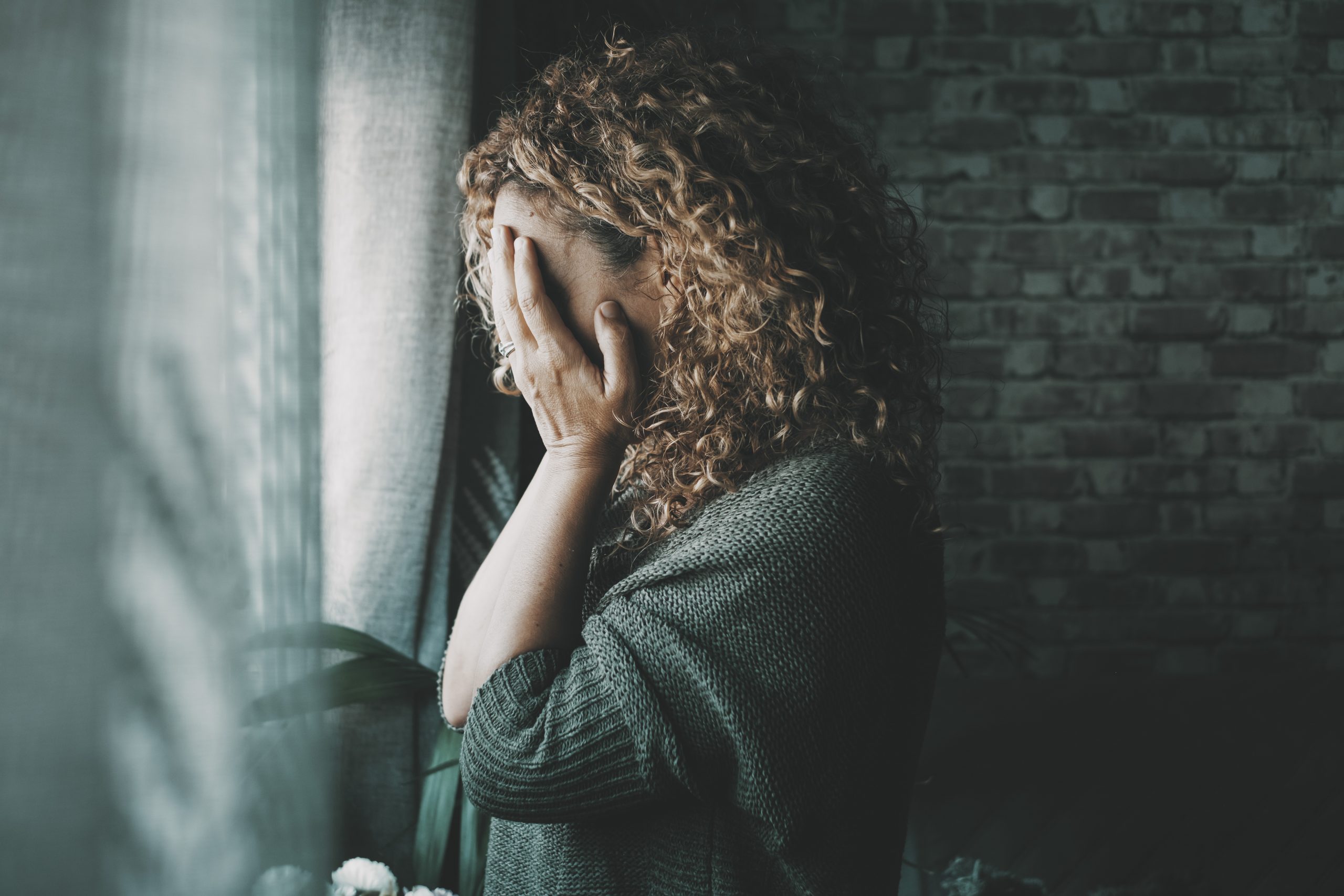
Sad and worried woman side portrait at home in the dark looking outside the window. Worried and lonely female alone indoor. Concept of end of relationship and unsuccessful emotion. Lady touching face

Domestic abuse is highly prevalent in the United States. Nearly 1 in every 2 women and more than 2 in every 5 men report domestic abuse at some point in their lives. While physical abuse may be the most known form of intimate partner violence, it is not the only way that abuse manifests in relationships. Being able to recognize signs of domestic abuse is incredibly important in keeping ourselves, our loved ones, and our communities safe.

Portrait of Fragile Crying Man being Harrased and Bullied by Partner. Couple Arguing and Fighting Violently. Domestic Violence, Emotional Abuse, Toxic Behavior. Rack Focus with Girlfriend Screaming

Some common signs of abusive behavior in a partner include:

  • Telling a partner that they can’t do anything right
  • Being extremely jealous when a partner spends time with others
  • Preventing a partner from making their own decisions
  • Insulting a partner in front of others
  • Pressuring a partner to do things they don’t want to do
  • Threatening physical violence

If one or more of these signs are present in a relationship, it may signal that abuse is occurring.

Physical abuse does not only refer to physical attacks but also threats of violence. It usually occurs alongside other forms of abuse, such as emotional or financial. Signs that you or someone else may be experiencing physical abuse include:

  • Punching, scratching, choking, kicking, strangling, biting, or smothering a partner
  • Throwing items at or near a partner
  • Touching a partner without permission
  • Pulling a partner’s hair
  • Preventing a partner from leaving home or calling emergency services
  • Driving recklessly or abandoning a partner in unfamiliar places
  • Forcing a partner to use drugs or alcohol
  • Preventing a partner from taking medication

Emotional abuse refers to non-physical behaviors intended to demean, isolate, control, and intimidate another person. Emotional abuse is subtle, but no less serious than physical violence. Signs of emotional abuse include:

  • Insults and name calling
  • Attempts to control what a partner wears
  • Gaslighting
  • Cheating to intentionally hurt a partner
  • Blaming a partner for their abusive behaviors
  • Making a partner feel guilty for saying no to something, sexual or otherwise
  • Constant criticization
woman holding leg, stressed
Unrecognizable sad woman and man in silhouette

Sexual abuse refers to non-consensual or forced physical and sexual intimacy. Refusing to allow the use of birth control, condoms, or other methods of sexually transmitted infection (STI) prevention are forms of sexual abuse. Other signs include:

  • Unwanted kissing, touching, or violent sexual activity
  • Forcing a partner to dress in sexual outfits
  • Using explicit or sexual names to insult a partner
  • Sexual contact with those who cannot give clear consent, including those who are intoxicated, unconscious, or asleep
  • Strangling, restraining, or holding a partner down during sex without consent
  • Involving weapons, objects, or other people in sexual activity without consent
  • Intentionally hurting a partner during sex or attempting to give a partner an STI

Financial or economic abuse involves the abusive partner controlling the finances of another to maintain control and power over them. Financial abuse can look like:

  • Monitoring a partner’s transactions or imposing an allowance
  • Depositing a partner’s money into an account they can’t access
  • Harassing a partner’s employer or coworkers
  • Maxing out a partner’s credit card without permission
  • Restricting the number of hours a partner is allowed to work
  • Stealing money
  • Refusing to give the partner money for necessary items like food, clothing, or medical care
Aggressive man and unhappy crying frightened woman. Domestic violence.

Online abuse, or technology-facilitated abuse, involves the use of technology to bully, harass, frighten, or control a partner. This can include stealing the passwords of a partner’s social media, looking through a parter’s phone without permission, or monitoring a partner’s whereabouts through GPS or spyware. Another form of technology-facilitated abuse is Image-based sexual abuse (IBSA), which refers to the theft, creation, distribution, or extortion of sexually explicit material without the consent of the person depicted in the content. Examples of IBSA are:

  • Using sexually explicit material as blackmail
  • Non-consensually distributing sexual material (sometimes referred to as “revenge porn”)
  • Taking non-consensual photos or videos by positing the phone above or underneath another person (sometimes referred to as “down blousing” or “upskirting”)
  • Generating or creating sexually explicit videos or photos with AI or photoshop (sometimes called “deepfake”)

If you suspect that you, a loved one, or a member of your community are experiencing domestic abuse, there are many ways to find or offer help:

  • Find support: Talk to a friend, family member, or mentor
  • Create a safety plan: Through the National Domestic Violence Hotline, you or another person experiencing abuse can create a practical plan to help identify abuse, find the words to describe the situation, and prepare to leave.
  • Go to an emergency room or health clinic: Providers can treat injuries resulting from assault, offer medications for STIs or birth control, and may be able to connect you or another person to sexual assault advocates.
  • Contact love is respect to speak to an advocate and find nearby resources. You can call, text, or chat on their website with support available 24/7.
Woman looking stressed while talking on her phone

The National Domestic Violence Hotline offers resources for people from all walks of life, including support services for Deaf or hard of hearing and Native American survivors.

Generic Medication

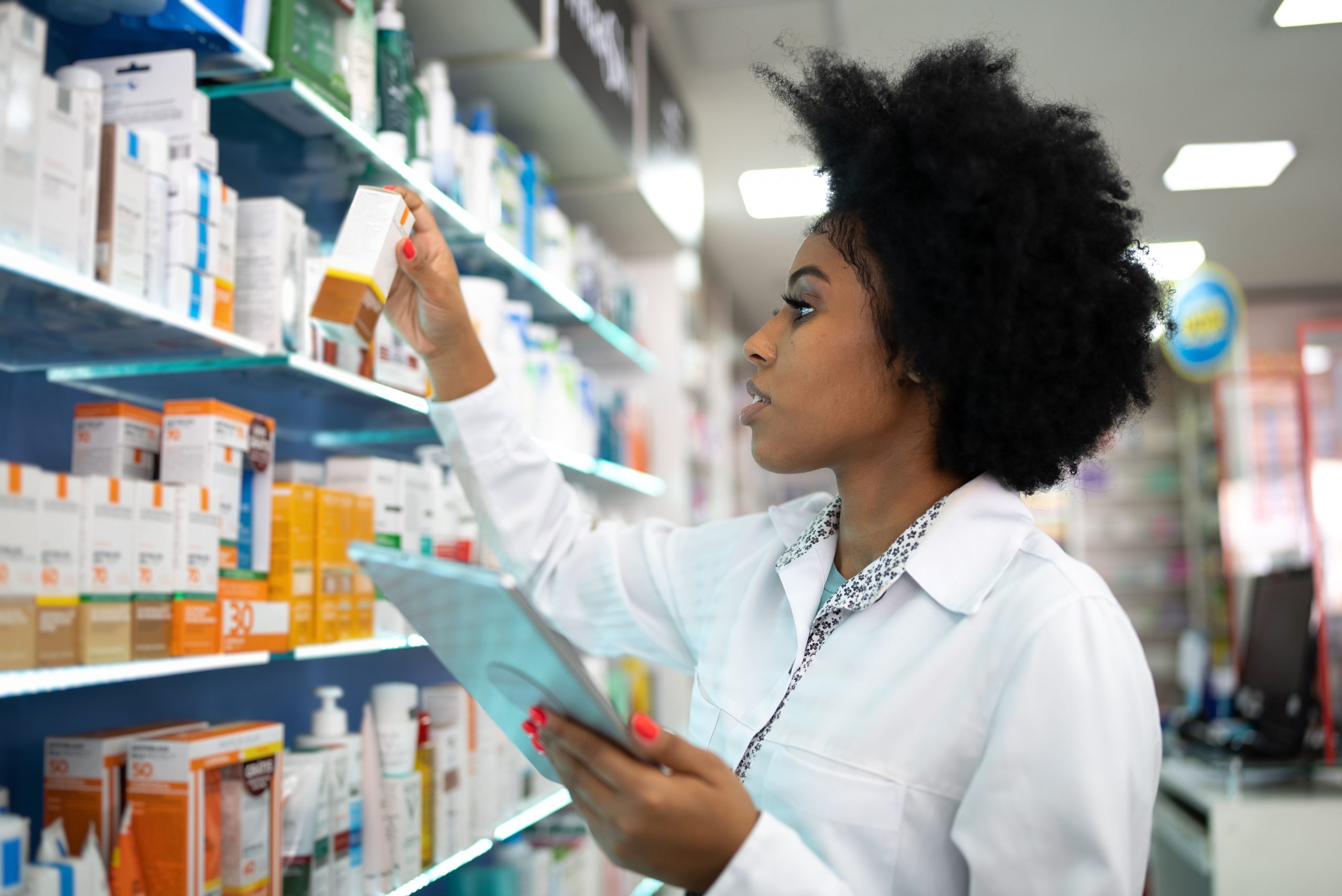
Young pharmacist checking the shelves with a digital tablet at the pharmacy

Generic drugs are versions of brand-name medications that share active ingredients, strength, quality, safety, and intended use as their name-brand counterparts, but which are up to 85% cheaper.

Pharmacist and customer interact at pharmacy counter, exchanging payment and prescription.

Once a company develops a new drug, they are granted a patent under the Food and Drug Administration (FDA) to be the sole producer and seller of that medication. This is intended to help that company recover its losses from research and testing. After the patent expires, however, other drug companies are allowed to create generic versions of the newly developed medication. Generic drug manufacturers are not required to test the medication’s effects on animals or humans, which decreases the cost of production.

They also do not need to spend millions on research or marketing, since the original developer has already done the work. This cost reduction is reflected in the prices of the generic drugs, which are usually 80-85% cheaper than their name-brand counterparts. Even though generic brands are not required to do animal or clinical testing, they are still subject to strict guidelines, which means they’re just as safe as name-brand medications. Generic drug manufacturers must prove to the FDA that their version of the medication is identical to the name-brand in several ways, including:

  • Active ingredients: The active ingredient refers to the ingredient that makes the drug “pharmaceutically active” — in other words, the ingredient that makes the drug work against the disease or condition it’s targeting.
  • Strength
  • Dosage form (tablet, capsule, or injection)
  • Usage
  • How the medication is taken/applied
  • How the medication is absorbed by the body
  • Shelf life

Drug manufacturers are subject to the FDA Generic Drugs Program standards for drug approval. This means that the manufacturer must submit evidence to the FDA that proves the generic medication’s active ingredient matches the name-brand version. The manufacturers must further pass plant inspections to show that their product is produced in similar quality to the name-brand. The FDA also monitors plants to ensure drug safety.

The main difference between generic and name-brand medications (besides the price tag) is the inactive ingredients. Inactive ingredients are fillers, coatings, or preservatives that help your body absorb the medication. While these ingredients are referred to as “inactive,” they, like any other ingredient in medication, can cause adverse reactions. But other than personal allergies, there is no significant difference between generic or name-brand medications. Generic medications may absorb into the body slightly faster or slower than name-brand versions, but the difference is small enough to be clinically acceptable by the FDA.

Pharmacist explains side effects of generic drug to unrecognizable customer

Due to trademark laws, generic drugs cannot look identical to the name-brand versions, even though their ingredients match. As a result, generic and name-brand medications may have different shapes, colors, or flavors. These changes do not affect the efficacy of generic medication.

There are a few ways to check whether an FDA-approved name-brand drug has a generic version:

  • Drugs@FDA: Search for a name-brand medication and check the section called “Therapeutic Equivalents for [name-brand].” Medications labeled with ANDA are generic drugs.
  • Orange Book: Search for a brand-name medication and find the active ingredient. Next, do another search for the active ingredient. Medications labeled with an “Appl No.” or “TE code” that begins with an A are FDA-approved generic drugs.
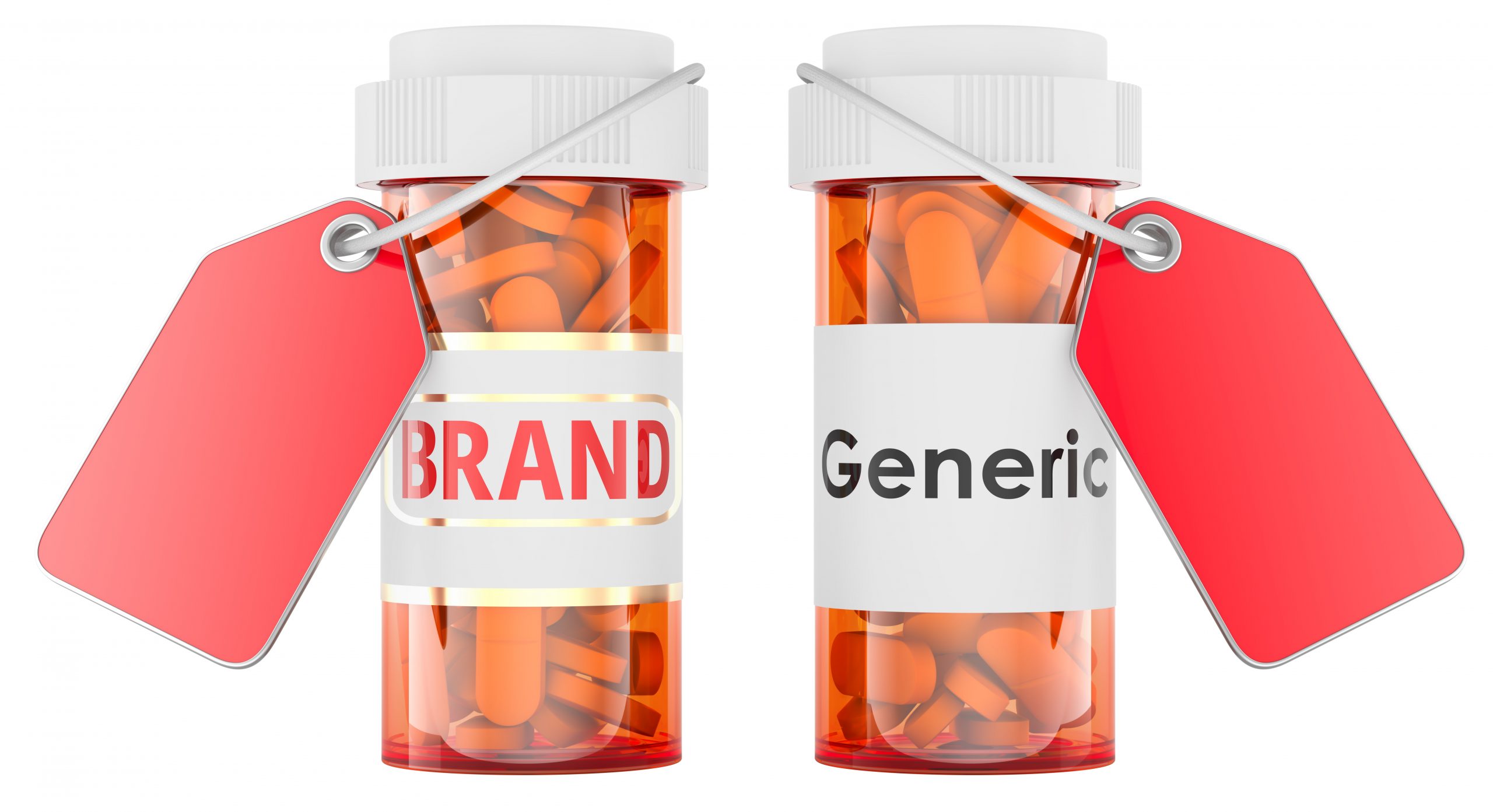
Brand and Generic medicine bottles with red price tags. 3d rendering

Generic drugs are a great way to save money on the medications you need. Most states allow pharmacists to substitute name-brand medications for cheaper generic alternatives, unless your doctor has specified to “dispense [the medication] as written,” or if the drug has a “narrow therapeutic window.” The narrow therapeutic window refers to the slight difference in absorption rates between generic and name-brand medications, which could result in side effects or loss in efficacy. If you have any questions or concerns about choosing generic medications over name-brand versions, speak with your doctor for more information.

In 2024, generic drugs saved patients and the U.S. healthcare system $467 billion.