Category Archive

2026 March

Primary Care or Specialist? Making the Right Choice

A smiling mid adult female doctor listens as a female patient discusses her health.

Primary Care Physicians: Your First Point of Contact

Think of a Primary Care Physician (PCP) as your healthcare home base. They’re the provider you turn to for everyday concerns, annual check-ups, preventive screenings, and the “something isn’t quite right” moments that don’t clearly point in one direction.

What PCPs excel at:

  • Whole-person care: They look at the big picture — your history, lifestyle, habits, and changes over time.
  • Preventive health: Vaccinations, screenings, routine labs, physicals — they’re your partner in staying ahead of illness.
  • Early diagnosis: For most symptoms, a PCP can evaluate, diagnose, and treat without sending you elsewhere.
  • Coordinating care: If you do need specialized treatment, your PCP is the one who guides you to the right specialist and ensures communication stays clear.

In many ways, your PCP is the quarterback of your health team — calling plays, coordinating strategies, and helping you navigate every twist and turn.

Teenager at a Medical Appointment

Specialists: The Experts for Specific Conditions

A specialist steps in when a condition requires deeper, more targeted expertise. While PCPs have wide-ranging knowledge, specialists have laser-focused training in one specific area of medicine.

For example:

  • Cardiologists focus on the heart
  • Dermatologists focus on the skin
  • Endocrinologists focus on hormones
  • Orthopedic surgeons focus on bones and joints

Specialists bring advanced diagnostics, treatments, and procedures that go beyond the scope of primary care.

You might need a specialist if:

  • Your PCP identifies something that requires deeper evaluation
  • You have a chronic condition needing expert management
  • You need a procedure or specialized imaging
  • Your symptoms are complex or persistent

Specialists are crucial — but they work best with your primary care doctor, not instead of one.

How PCPs and Specialists Work Together to Create Better Outcomes

The most effective healthcare isn’t about choosing one over the other — it’s about having both in your corner. Primary care physicians and specialists form a coordinated system that keeps you healthy, supported, and informed.

Here’s how they complement each other:

  • PCPs provide continuity; specialists provide precision. Your primary doctor keeps track of your overall health while specialists focus on specific problems.
  • Better communication = better care. When a PCP refers you to a specialist, they share your medical history, medications, and relevant test results. This prevents duplication and improves accuracy.
  • You avoid unnecessary tests and visits. PCPs can often treat issues without specialist intervention — saving you time and money.
  • Chronic conditions stay on track. If you have diabetes, heart disease, asthma, or any ongoing condition, PCPs coordinate the bigger picture while specialists fine-tune your treatment.


In short, your PCP ensures everything fits together, while specialists handle the pieces that require expert-level attention.

When you’re unsure where to turn, start with your primary care physician. They’re trained to evaluate your symptoms, treat what they can, and guide you to the right specialist when needed.

85.2% of adults who had a visit with a doctor or other health care professional in the past year.


Natural vs. Organic: What Your Labels Aren’t Telling You

A man using his smartphone to look up ingredients and prices wile choosing items in his local supermarket.

Walk through any grocery store, and you’ll notice that food packaging is starting to sound more like a wellness retreat brochure — natural, pure, clean, organic, real. These labels are designed to make you feel confident about what you’re bringing home. But here’s the real question: do these words actually mean anything?

The truth is, “natural” and “organic” aren’t interchangeable, and knowing the difference can have a big impact on your health, your budget, and your peace of mind.

“Natural” Sounds Healthy — But It’s Mostly Marketing

The word “natural” is one of the most misleading terms on food packaging. Why? Because it isn’t strictly regulated.

A “natural” label generally means the product doesn’t contain artificial colors, flavors, or synthetic preservatives. That’s it. It doesn’t guarantee:

  • How the food was grown
  • What pesticides were used
  • Whether the animals were given hormones or antibiotics
  • How processed the ingredients are
Young African-American woman shopping in supermarket

A “natural” fruit snack can still be packed with sugar. A “natural” chicken breast may still come from animals raised with conventional feed. Essentially, natural tells you what’s not in the product — but almost nothing about what is.

That doesn’t make “natural” products bad. It simply means you should read labels more carefully. If you’re prioritizing whole, minimally processed foods, look beyond the buzzword.

Organic fresh natural product tag

“Organic” Comes With Real Standards and Oversight

Unlike “natural,” organic actually means something — and it’s legally backed. In the U.S., organic foods must meet specific USDA requirements, which focus on how ingredients are grown, raised, and processed. These standards include:

  • No synthetic pesticides or fertilizers
  • No genetically modified organisms (GMOs)
  • No antibiotics or growth hormones in animals
  • Strict rules about soil quality, pest control, and animal welfare

Because of these guidelines, organic labels offer a clearer picture of what you’re buying. For many people, that transparency is worth the higher price tag. It doesn’t mean organic food is automatically more nutritious, but it does mean the farming practices are more controlled and environmentally mindful.

Organic labeling also has tiers:

  • “100% Organic” – Every ingredient meets organic standards
  • “Organic” – At least 95% of ingredients are organic
  • “Made With Organic Ingredients” – At least 70% organic ingredients

This grading system makes it easier to understand what you’re getting — something the “natural” label simply can’t offer.

Father and daughter shopping at the supermarket following a list

At the end of the day, understanding labels empowers you — not the marketing team behind the packaging. Here’s how to decide what’s right for you:

If transparency matters most: Go organic. You’ll know more about how your food was produced and what was avoided in the process.

If your budget is tight: Choose organic strategically. Many people opt for organic versions of produce on the “Dirty Dozen” list — items more likely to carry pesticide residues — while buying conventional for the rest.

If you’re focused on fewer additives: “Natural” may be enough. Just be sure to check the ingredient list to confirm the product aligns with your health goals.

If sustainability is your priority: Organic farming tends to favor more eco-friendly practices, though not all farms are equal. Look beyond the label when sustainability is a driving concern.

No matter which label you choose, the goal is the same: food that supports your wellbeing without confusion or compromise.

72% of American consumers say that product
packaging influences their purchase decisions.

Panic vs. Anxiety: How to Tell the Difference

Unhappy girl on sofa

Your heart suddenly races. Your breath shortens. Your chest tightens. For a moment, you’re convinced something terrible is happening. But is it anxiety — or a panic attack? Many people use these terms interchangeably, yet they’re far from the same experience.

When you’re in the middle of overwhelming fear, putting a name to it may feel impossible. But distinguishing anxiety from panic matters because it helps you understand what your body is trying to tell you. While both can feel frightening, their patterns, triggers, and physical symptoms often set them apart.

The Onset: Anxiety Builds, Panic Strikes Suddenly

Anxiety is like a slow-dripping faucet — you feel it gradually. It often starts with a worry, a thought loop, or a stressor you can identify. You might notice tension in your shoulders, restlessness, or a sense of unease that grows over hours or days.

Panic, on the other hand, is a lightning bolt. There’s no warm-up, no warning sign you can see coming. A panic attack typically peaks within minutes, often hitting with intense physical sensations that feel alarming or even life-threatening. Many people describe feeling certain they’re having a heart attack or losing control. While anxiety is rooted in ongoing stress, panic episodes are abrupt and overwhelming — even when nothing obvious triggers them.

Shot of a young businessman looking stressed while working in a modern office

The Physical Symptoms: Intensity vs. Persistence

Anxiety tends to show up as persistent but manageable physical discomfort — muscle tension, fatigue, headaches, nausea, or trouble sleeping. These sensations may linger in the background, affecting your day but not stopping you in your tracks.

Panic attacks feel completely different. They’re explosive and intense, often accompanied by:

  • Rapid heartbeat
  • Chest pain
  • Dizziness
  • Sweating or chills
  • Tingling sensations
  • Feeling detached from reality

These symptoms can be so severe that many people worry they’re in imminent danger. While anxiety is a marathon, panic is a sprint — fast, overwhelming, and draining.

The Mindset: Anxiety Anticipates, Panic Fears the Moment

Anxiety is fueled by anticipation. It thrives on “what if?” thinking — what if this goes wrong, what if I embarrass myself, what if something bad happens? It’s a future-focused state that can make everyday tasks feel heavier than they should.

Panic is present-focused, and its fear is immediate. During a panic attack, the mind is flooded with the sense that something terrible is happening right now. You’re not worrying about the future — you’re fighting to survive the moment, even if you’re truly safe.

Both anxiety and panic are valid, real emotional experiences — not signs of weakness. Recognizing the difference can help you better understand your body’s stress response and speak more clearly with your healthcare provider.

Every year, up to 11% of people in the United States experience a panic attack.

Collagen — More Than a Supplement

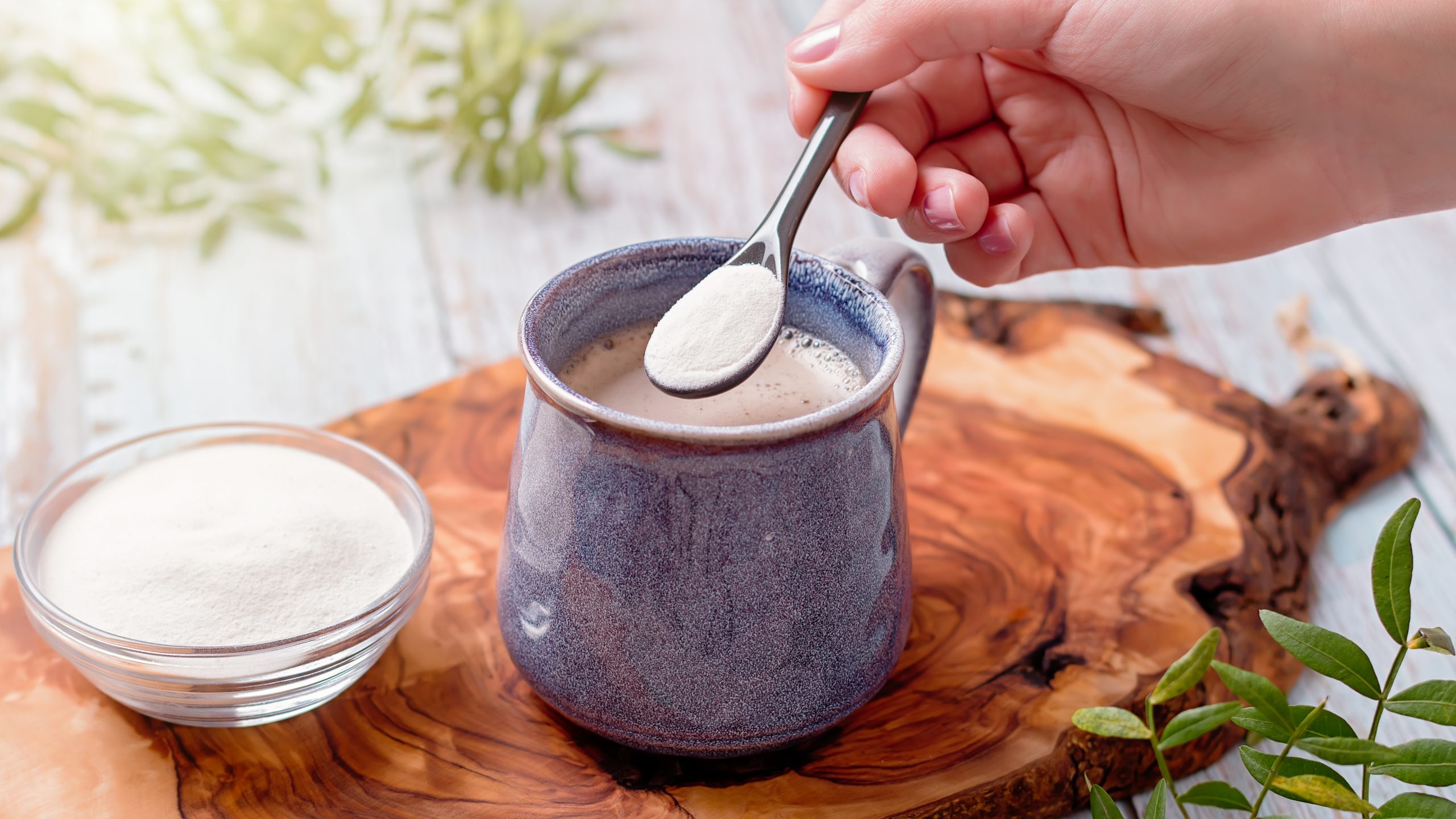
Woman adding collagen powder to her morning coffee.

What if one tiny protein was quietly responsible for keeping your skin smooth, your joints moving comfortably, and your hair and nails looking their best — yet most people never think about it until they start to feel its loss? That protein is collagen, and whether you realize it or not, it’s working behind the scenes every single day. But here’s the catch: as we age, our natural collagen levels start to slip, taking some of that youthful bounce, glow, and mobility with them.

What Collagen Really Is and Why Your Body Depends on It

Collagen is often talked about like a beauty supplement, but the truth is much bigger than that. Collagen is the most abundant protein in the human body. It’s one of the main building blocks of your skin, joints, bones, muscles, ligaments, and even your gut lining.

Think of collagen as the scaffolding that keeps everything supported and held together. When collagen is plentiful, skin looks firmer, joints feel more flexible, and tissues can recover more smoothly from everyday wear and tear.

But starting in your mid-20s, your body naturally produces less collagen. This slow decline is completely normal, but it’s the reason fine lines become more noticeable, joints feel a bit stiffer, and skin gradually loses elasticity over time. This isn’t about “fixing” anything — it’s just about understanding how your body changes as you move through life and how you can support it.

How Lifestyle Choices Influence Your Natural Collagen Production

Your body is constantly making collagen, but how well it makes it depends on everyday habits. Several factors can either support or strain your natural collagen levels.

Diet and nutrients

Diet and nutrients

Your body needs specific building blocks to create collagen. Protein-rich foods such as chicken, fish, eggs, beans, and tofu provide amino acids, which serve as raw materials. Nutrients like vitamin C (from foods such as citrus, strawberries, and bell peppers) help your body assemble those amino acids into collagen fibers. Copper and zinc — from foods like nuts, seeds, whole grains, and leafy greens — also play supportive roles.

Sun exposure

Sun exposure

We all love a sunny day, but too much UV exposure can break down collagen faster than your body can rebuild it. Regular sunscreen, shade, and protective clothing can help slow that breakdown and keep your skin’s structure stronger for longer.

Sleep and stress

Sleep and stress

Your body does much of its repair work — including collagen production — while you sleep. Chronic stress can interfere with that process. Consistent rest and stress-relieving practices such as deep breathing, walking, stretching, or hobbies can support your body’s natural rhythm.

Smoking

Smoking

Smoking has been shown to impact collagen formation and overall skin health. Avoiding or reducing smoking supports both collagen and general wellness.

These symptoms can be so severe that many people worry they’re in imminent danger. While anxiety is a marathon, panic is a sprint — fast, overwhelming, and draining.

The Role of Collagen Supplements

Collagen supplements have become incredibly popular, and many people use them as an easy way to add extra protein to their routine. These supplements typically contain collagen that has been broken down into smaller pieces — often called peptides — so your body can absorb them like any other protein.

Research is ongoing, but some studies suggest collagen peptides may support skin hydration and elasticity or help with joint comfort in certain individuals. However, collagen supplements are not magic potions. They won’t reverse aging, eliminate wrinkles, or “fix” joint problems on their own. Think of them as one tool — not the whole toolbox.

If someone chooses to add a collagen supplement, it works best alongside a generally healthy lifestyle: nutrient-rich foods, hydration, sun protection, sleep, and mindful movement.

Ultimately, the goal isn’t just “boosting collagen.” It’s supporting your body in a balanced, sustainable way so you can look and feel your best at any age.

The global collagen market is booming, projected to exceed $10 billion by 2033,
driven by supplements for skin and joint health.