Category Archive

2026 May

One Man’s Recycling Is Another Man’s Treasure

According to a 2025 study conducted by WM Recycling Report, 77% of Americans report that they recycle. But the U.S. Environmental Protection Agency (EPA) shows a different story. Only 32.1% of discarded material is actually recycled. An article from California Management Review may point to the answer: most people just aren’t sure what is or isn’t recyclable. While policies may change depending on your state, here’s a list of items you might not have known are recyclable:
  • Mattress: A lot of mattress components can be reused in different products. The foam and cloth can live a second life as insulation and carpet padding, the springs can be repurposed as car parts or building materials, and the wood frames can be turned into shipping pallets or mulch. Earth 911 can help you locate a recycling center near you that will take your old mattresses. For those who live in California, Connecticut, Rhode Island, or Oregon, the government-backed Bye Bye Mattress program streamlines the process.
  • Toothbrushes and Toothpaste: If you have a Crest or Oral-B toothbrush, you can participate in their Recycle On Us They accept used plastic toothbrushes, toothbrush head refills, toothpaste tubes, mouthwash containers, floss containers, and floss picks. You can request a free shipping label from their website, and your old toothbrushes will be recycled into a multitude of products, including park benches and clothes. Colgate offers a similar recycling program and accepts all brands of toothbrushes or empty oral care packaging. You can find your local drop-off location through their site.
  • Carpet: Carpet is often made with synthetic fibers like nylon and polyester, which break down over time and leak harmful chemicals into the environment. Most local municipality recycling centers will take carpet, but if you’re installing new flooring, ask whether the retailer will take your old carpet. Several companies, such as Antron and J + J Flooring, have reclamation programs to ensure that used carpet doesn’t end up in a landfill.
  • Car Batteries: Car batteries contain lead and acid, which can cause water and soil pollution, as well as long-term health issues. You can recycle car batteries through municipality recycling centers, but metal recycling centers and car parts shops like the AutoZone will pay you to take the car batteries off your hands.
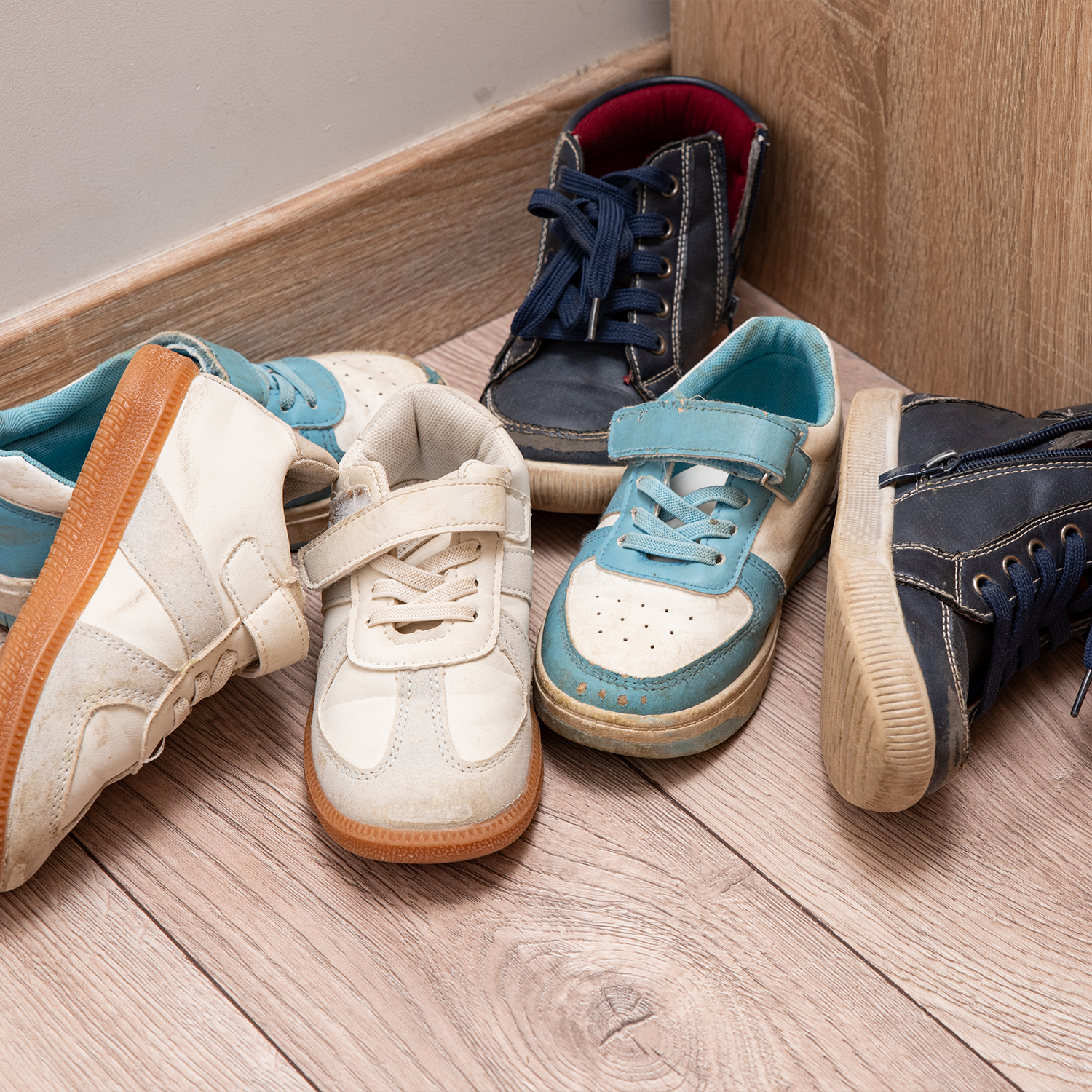
  • Nike Shoes: Nike offers their Recycling + Donation program, which allows you to drop off your old Nike shoes or apparel at any Nike store. The shoes are then recycled or donated to those in need.
  • Packing Peanuts and Styrofoam Cups: Polystyrene, the material used in packing peanut and Styrofoam cups, breaks down into small pieces over time, which are harmful for wildlife. Polystyrene cannot be recycled at a local recycling center and must be sent to a centralized plant. The Dart Container Corporation, the world’s largest manufacturer of foam cups and containers, accepts the return of Dart brand polystyrene products (as well as Dart paper and plastic items). These are melted down and turned into polystyrene pellets, which can be used to make more polystyrene items.
  • HP Ink Cartridges: Similar to Nike’s recycling program, HP allows you to drop off your old HP or Samsung ink cartridges at Staples, Best Buy, Office Depot/Max, or Walmart for recycling. Their website also offers free shipping labels, boxes, and envelopes if you prefer to mail back your cartridges, as well as the option to schedule a pickup if you have more than 1,000 ink cartridges.
  • Batteries: Any batteries labelled with the word “lithium” (lithium single-use or some coin-shaped batteries) should never be put in the trash. Lithium batteries can cause fires and must be properly dealt with by a recycling company. Many local districts hold collection events for batteries and some battery manufacturers, including The Battery Network and Ridwell have mail-in programs. Some Home Depot locations have The Battery Network bins for collection in store.

Recycling provides many benefits to our environment, but did you know it also benefits our economy as well? In a single year, recycling accounted for 681,000 jobs, $37.8 billion in wages, and $5.5 billion in tax revenues.

Many companies offer easy (and free) ways to recycle your old items. With just a little effort, you can help reduce landfill waste, protect wildlife, and support the health of our environment.


Brain Healthy Snacks

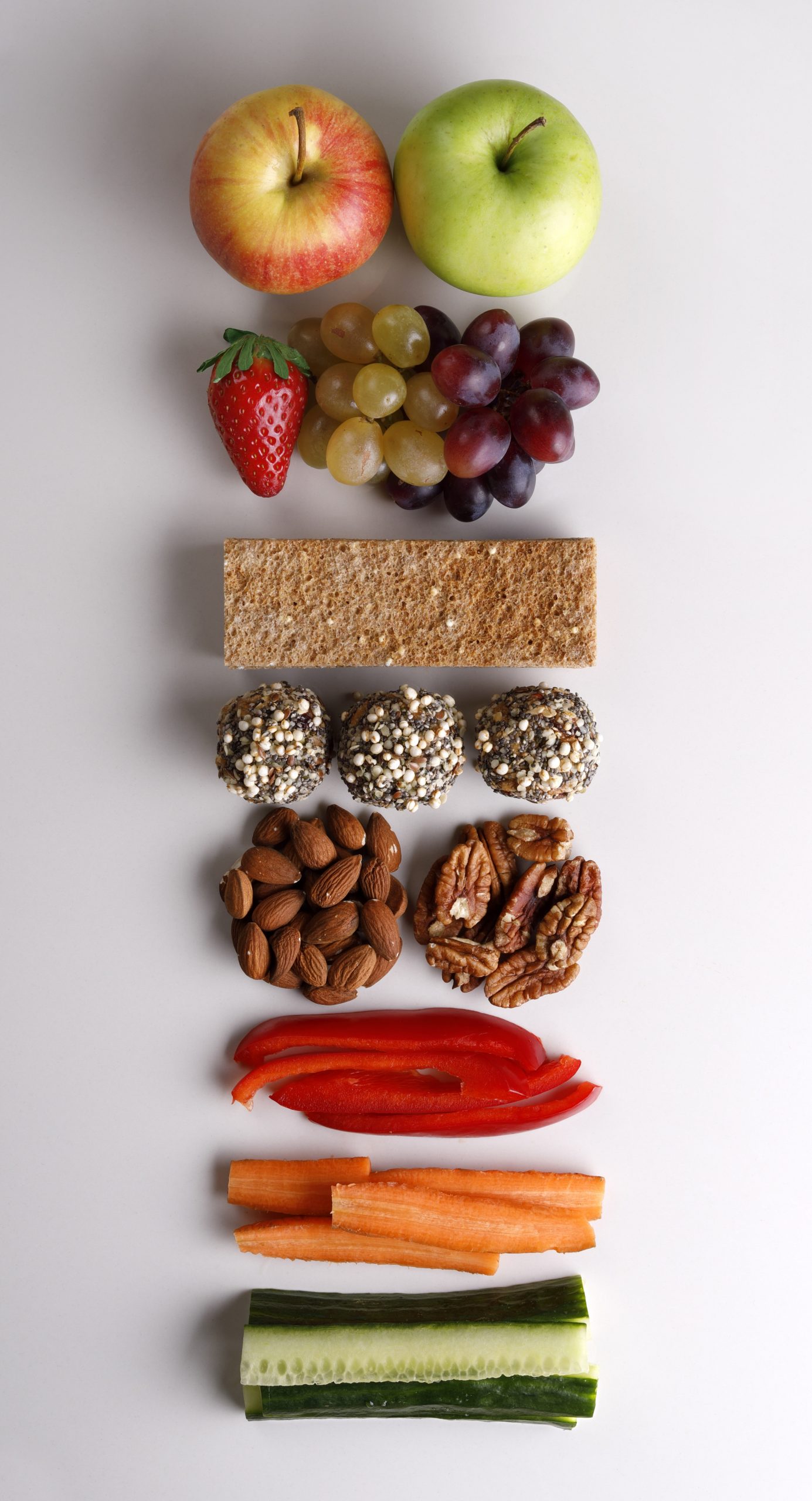
We’ve all been there: it’s been hours since lunch, dinner still feels ages away, and your stomach is protesting at maximum volume. It’s easy to reach for bags of chips, handfuls of candy, or cans of diet soda, but they certainly don’t offer a lot of health benefits. Instead, why not swap out junk food for something much better for your brain? So-called brain foods contain omega-3 fatty acids, vitamins B, D C, E, A, choline, iron, and iodine, all of which work together to improve your memory, mood, and concentration.

First on the list are nuts. These superfoods are easy to keep handy, don’t need to be refrigerated, and come in a variety of different flavors. Plus, each variety of nut comes with its own unique set of health benefits.

  • Almonds: Almonds are high in protein and fiber, which helps make you feel fuller faster. They’re also a great source of important nutrients, including magnesium and vitamin E. Almonds have been shown to lower cholesterol, improve blood sugar control, and promote healthy gut bacteria. A healthy serving size is about 23 almonds, or a ¼ cup.
  • Walnuts: Studies have shown that walnuts can improve cognitive function, while reducing the risk of developing cardiovascular disease, depression, type 2 diabetes, and dementia. They are rich in nutrients vital to brain health, including alpha-lipoic acid, folate, and vitamin E. A healthy serving size is 1-2 ounces a day.
  • Pumpkin Seeds: These tiny seeds have a mighty impact on our brain health. Pumpkin seeds are a rich source of zinc and magnesium, both of which are crucial for cognitive health. They also contain amino acids that lead to the creation of serotonin and dopamine, helping to regulate our moods, aid in memory formation, and support our overall cognitive function.

Next, let’s look at fruits. While they have a shorter shelf-life than nuts do, fruits are a wonderful way to incorporate a little bit of sweetness into your day. They also offer a wide variety of health benefits for both you and your brain.

  • Berries: Berries have antioxidant and anti-inflammatory properties that aid in protecting your cells from developing diseases such as cancer, Alzheimer’s, and heart disease. They also contain athocyanins, which aid in memory formation and learning. Blueberries have been shown to lower blood pressure, speed up reaction time, and improve memory.
  • Citrus: Oranges and grapefruits are rich in vitamin C, an important nutrient for brain functioning. Studies have shown that it’s important to maintain levels of vitamin C to prevent age-related cognitive decline and Alzheimer’s. Plus, their sharp flavor is a great way to “wake up” throughout the day.

Still craving something sweet? Dark chocolate also offers a variety of health benefits. The nutrients inside dark chocolate are great for improving concentration and alertness. Eating about ¼ of a standard bar can help you maintain your focus on mentally demanding tasks for about an hour.

While they’re not exactly snacks, coffee and tea are another great way to supplement your healthy snacks and get your brain (and body) the nutrients they need!

  • Coffee: Coffee is a great way to improve your mood, wellbeing, concentration, and alertness. In fact, lifelong coffee consumption has been linked to the prevention of cognitive decline and a reduced risk of stroke. The maximum recommended limit for cups of coffee is 5 cups a day, or about 400 mg of caffeine.
  • Green Tea: Green tea is known for its variety of health benefits. It’s a good source of important amino acids, including L-theanine and catechins, which are both known to protect your brain health. Frequent drinkers of green tea have also been shown to be at a 64% lower risk of cognitive impairment.

While most fitness and wellbeing blogs focus on exercise and eating well for our bodies, it’s easy to forget about keeping our brains healthy. By making the small step of trading potato chips for blueberries, you can support your brain’s health, improve your mood and memory, and reduce the risk of cognitive disorders today!

More Than Just an Annoying Itch?

Most people consider mosquito-borne illness a problem for long distance travelers journeying to faraway jungles or swamps. And for the most part, this is true. Yellow fever and malaria have been virtually eliminated from the United States due to vaccines and medication, and the Zika virus hasn’t been documented in the United States since 2019. However, there are some mosquito-borne illnesses that cause hundreds of cases per year in the United States: Chikungunya, Dengue, and West Nile virus.

But the possibility of contracting mosquito-borne illness shouldn’t scare you into staying inside all summer. There are over 3,500 different types of mosquitoes on Earth and only a handful of them actually transit diseases. Even rarer, the mosquito has to drink from an animal or human carrying a very specific type of germ that can not only survive within the body of the mosquito, but multiply. The germ is then spread through the blood of the next animal or human it feeds from.

Even if you’re unlucky enough to get bitten by a mosquito carrying the mosquito-borne illness found in the United States, the symptoms are fortunately, for the most part, fairly mild. Most people who contract Zika, Dengue, or West Nile have no symptoms at all. For those infected with Chikungunya, however, most will develop symptoms. Chikungunya causes severe muscle and joint pain, which can continue for months after the infected person begins to feel better.

So, how can we stay safe from mosquito-borne illness this summer season? There are a few ways to lower your chances of getting bitten:

Ever notice how some people seem to get bitten by mosquitoes more than others? It may have to do with blood type. Studies show that mosquitoes prefer type O blood.

Sometimes, despite our best efforts, we still get the occasional, annoying mosquito bite. There are plenty of at-home remedies to help you deal with the itchiness and ensure the bites heal quickly.

  • Oatmeal: Oatmeal has anti-irritant properties that are perfect for dealing with pesky mosquito bites. Simply make oatmeal paste from equal parts oatmeal and water and apply it to the bite for 10 minutes before washing it off.
  • Rubbing Alcohol: This common household item soothes the site of your mosquito bite by removing the protein that causes your immune system to react with itchiness and swelling. Alcohol wipes offer the same relief and can be used on-the-go.
  • Ice: Apply an ice pack or a cold rag to the mosquito bite and keep it there for 5-10 minutes. Ice tends to give more temporary relief since, unlike rubbing alcohol, it doesn’t stop your immune system’s reaction. However, it does work in a pinch.
  • Antihistamines: Like rubbing alcohol, allergy medication like Zyrtec, Claritin, and Benadryl block your immune system’s reaction to the bite, helping you find relief from the itchy feeling.