There’s no doubt about it — we live in a technological age.
Whenever we feel like it, we can open a news app and immediately tap into the goings-on of the world. But constant exposure to the latest headlines may not be the greatest thing for our mental health — in fact, it can cause increased feelings of helplessness, overwhelm, and depression. After all, what we think about directly impacts our mental health. So, why not focus on something positive instead?
Research shows that by simply putting aside time in our day to feel gratitude, we can significantly improve our wellbeing. In fact, one particular study showed that those who regularly practice gratitude live 9% longer. This is partially due to more consistent feelings of happiness, but, more broadly, gratitude makes people motivated to take care of their health. Grateful individuals are more likely to exercise, show up to medical appointments, and maintain relationships, all of which contribute to longer, healthier lives.

Practicing gratitude can be as simple or complex as you would like. Some common techniques include:
- Gratitude list: At the same time each day, write down a list of things you’re thankful for. These items can be anything at all, as long as they bring you joy. Maybe you feel grateful that your spouse cooked dinner, or that you saw a pretty garden on your morning walk. The goal of gratitude lists is to teach your brain to catch the moments of beauty in your life as they happen, helping you find happiness in the mundane. You can see the benefits of this practice in your daily life by simply listing as little as 3 items per day!
- Gratitude jar: Every time you feel grateful for something, whether that’s broad (the color of sunsets) or specific (a friend babysits for you so you can have a night off), write it down on a small slip of paper and place it into a jar. As the paper piles up in the jar, you’ll be able to see just how many moments of joy there are in your life. Plus, if you’re ever feeling down, you can read through the jar for a powerful mood boost!
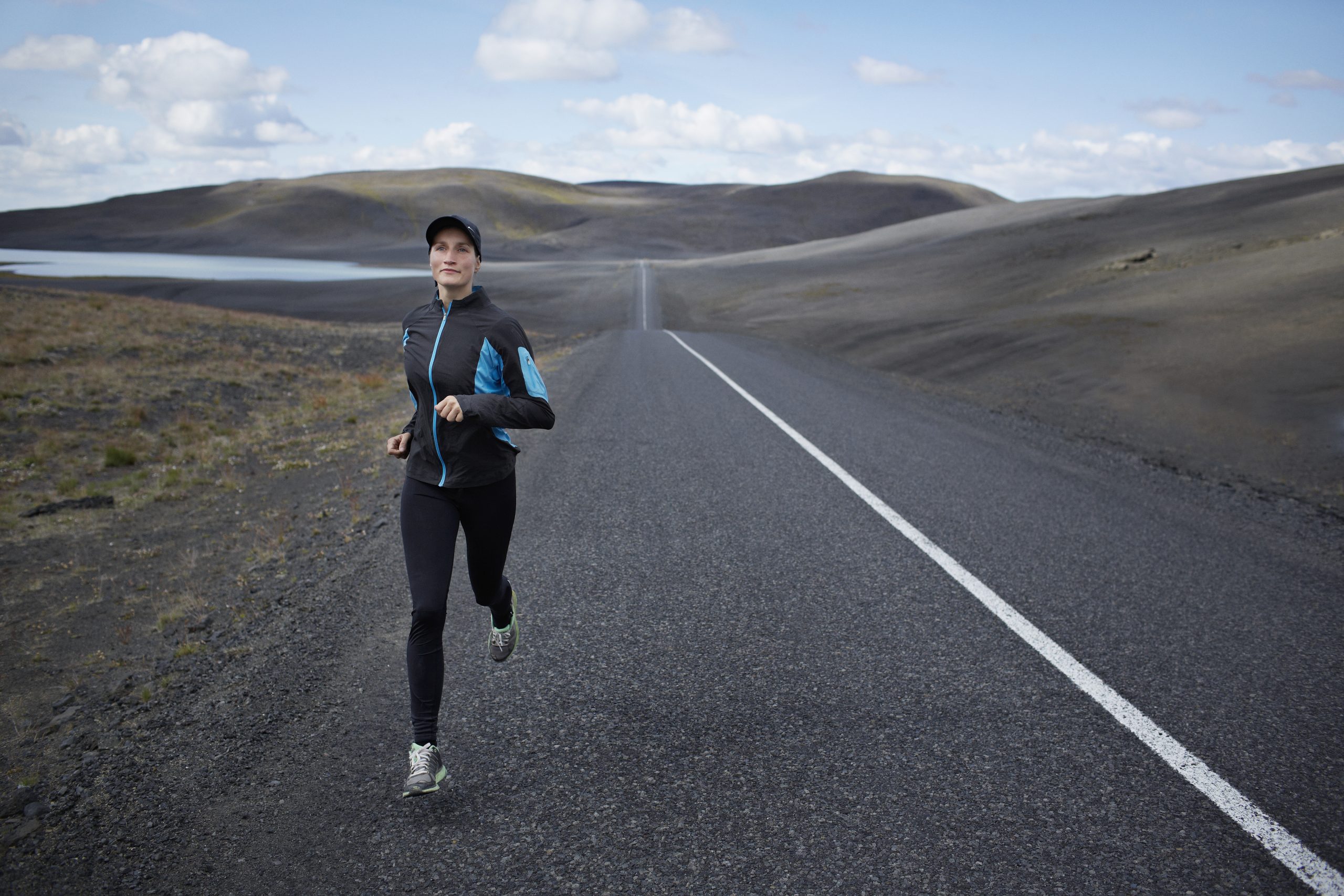
- Gratitude walk: The secret to gratitude walks is focus. Instead of putting on your headphones and tuning out the world, try tuning in to the small moments of beauty around you: the birds singing, the color of the sky, or the weather. Gratitude walks can help you reduce stress, re-ground, and build emotional resilience all at the same time. They don’t have to be long walks either — even 5 minutes will do!
- Gratitude meditation: Unlike deep meditation for sleep, gratitude mediation can be done anytime, anywhere! Whenever you have a moment of pause, such as waiting for your coffee to brew, simply reflect on what you’re grateful for. This is a very similar technique to the gratitude list but doesn’t require pen or paper. If you find it difficult to concentrate on mediations, guided gratitude mediations are also available on YouTube. You can find countless 10–15-minute videos that will guide you through each step of the process!
The most important part of any gratitude practice is consistency. Our brains have a natural ability to adapt to new situations and systems, a feat known as neuroplasticity. Part of this natural system is the solidifying of neural pathways connected to common activities — meaning that the things you engage with the most have actual, physical impact on your brain. By dedicating yourself to a consistent gratitude practice, you can strengthen your brain’s joy-seeking neural pathways, and in turn, literally train your brain to see the world more positively!