

Dieting is often synonymous with counting calories or chugging protein drinks. They can be difficult to maintain and may feel like more work than they’re worth. But the Mediterranean diet offers a new way to eat healthy and stay fit. Inspired by the traditional foods of the countries that border the Mediterranean Sea, the Mediterranean diet does not have calorie intake restrictions. Rather, the focus is on the types of food you’re consuming. It emphasizes eating plant-based foods without being vegan or vegetarian. Fish, poultry, and eggs are a regular part of most Mediterranean diet plans. In general, the Mediterranean diet includes:
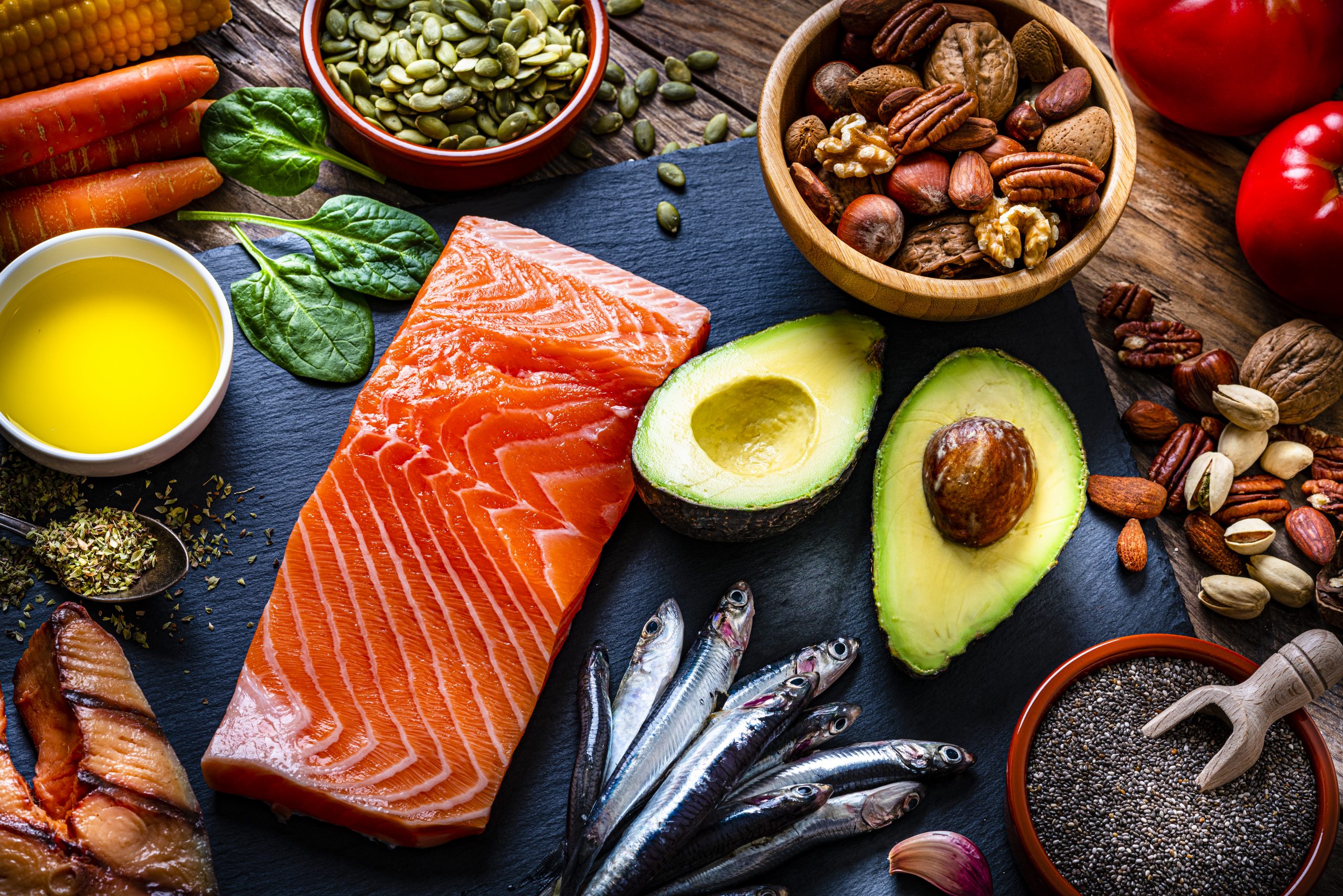
- Eating more fruits, vegetables, whole grains, beans, lentils, and nuts
- Swapping unhealthy fats for extra virgin olive oil (EVOO), a source of healthy fats
- Replacing red meat with fish, poultry, or beans
- Removing candy or foods with added sugar
- Consuming a moderate amount of red wine with meals (if you drink alcohol)
The Mediterranean diet has a multitude of documented health benefits. It has been shown to help you maintain a healthy body weight and keep weight off once you lose it. Extra virgin olive oil and fish are good sources of unsaturated fats and omega-3 fatty acids, which decrease cholesterol levels, support brain health, and help prevent heart disease. Extra virgin olive oil may also remove excess cholesterol from your arteries.
The Mediterranean diet is full of foods that support healthy blood sugar levels, blood pressure, and a balance of microbiota in your gut. The diet also limits sodium intake, helping to keep your heart healthy. The Mediterranean diet reduces the risk of developing or experiencing:
- Parkinson’s
- Alzheimer’s
- Type 2 diabetes
- Rheumatoid arthritis
- Obesity-related cancer
- High cholesterol
- High blood pressure
- Heart attack
- Stroke
- Metabolic syndrome

For these reasons, both the American Heart Association (AHA) and the World Health Organization (WHO) recommend the Mediterranean diet as a great way to maintain good health and wellbeing as you age. If you’re interested in beginning your own Mediterranean diet, here are foods from the Mediterranean area that you can incorporate into your meals:
- Vegetables: Asparagus, watercress, beet, onions, garlic, cabbage, broccoli, cauliflower, turnips, cucumbers, artichokes, okra, corn, tomatoes, peppers, eggplant, squash, zucchini, potato, avocado, olive, chard
- Fruits: Grapes, apple, fig, pear, plum, cherry, raspberry, lemon, watermelon, melon
- Nuts and seeds: Almond, hazelnut, walnut, chestnut, sunflower seeds, cashew
- Herbs and spices: Parsley, cumin, coriander, fennel, oregano, rosemary, sage, lemon balm, bay leaf, saffron, turmeric, cloves, ginger
- Legumes: Chickpea, soybean, lentil, beans
- Whole grains: Wheat, buckwheat, rice, pasta
- Fish and seafood: Salmon, cod, tuna, sardines, trout, clams, crab, shrimp, lobster, mussels
- Poultry: Chicken, turkey, duck
- Dairy: Brie, feta, Parmigiano-Reggiano, ricotta, cottage cheese, mozzarella, blue cheese, Swiss cheese, Greek yogurt
There are countless Mediterranean diet recipes out there to help you swap over to a Mediterranean diet or simply incorporate more healthy Mediterranean foods into your day-to-day. Some great (and easy) options to get you started are:
Breakfast
- Greek yogurt with fruits and vegetables
- Overnight oats
- Omelet topped with vegetables and mushrooms
- Oatmeal pecan waffles
- Whole-grain toast topped with fruits, jam, or peanut butter
- Fruit smoothies
Lunch
- Greek salad
- Vegetable soup
- Mediterranean couscous salad with chickpeas
- Baked flautas with mango salsa
- Whole-grain pasta with tomato sauce and fresh vegetables
- Toasted quinoa and salmon salad
Dinner
- Grilled salmon and spinach
- Buddha bowl
- Fish soup with potato and greens
- Bulgur and green peas
- Tuna kebabs
Snacks
- A handful of nuts or seeds
- Fruits
- Whole-grain crackers and cheese
- Carrots or cucumbers with hummus
- Vegetables and Greek yogurt
- Cottage cheese and fruit
- Tortilla chips and guacamole
In a world where processed foods are cheap and readily available, the Mediterranean diet emphasizes an environment-driven lifestyle that prioritizes health and wellbeing.
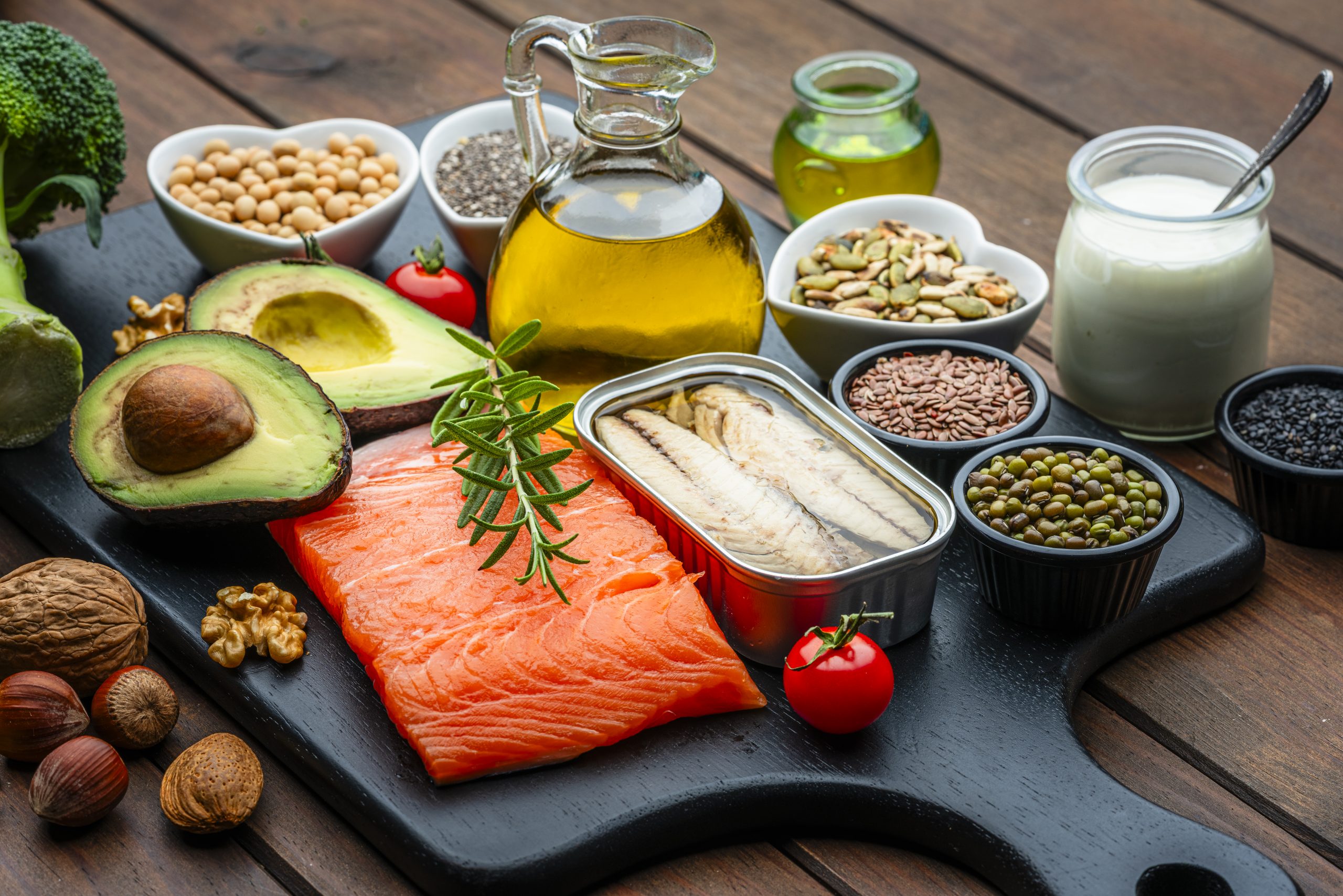
The Mediterranean diet was recognized by UNESCO as being an Intangible Cultural Heritage of Humanity for its role in bringing together community.