

Exercise, balanced diets, and visits with friends and family are a vital part of our wellbeing at any age. But as we grow older, our bodies change. Things that came easy to us may begin to feel difficult to manage. But that doesn’t mean you should throw healthy living out the window — instead, try modifying your routines to fit your body, rather than the other way around. Here are some ways that you can stay active and healthy throughout your golden years.
The word “exercise” might bring to mind running marathons or lifting heavy weights, but there are many types of physical exercise that are far less strenuous on the body, and which still give you a multitude of health benefits. Regular physical helps lower your risk of developing cancer or dementia, improve balance, and even boost your memory and thinking skills. It’s recommended to get at least 150 minutes of physical activity per week. Some accessible types of physical activity include:
- Walking around the neighborhood at a brisk pace
- Tai chi or gentle yoga
- Water aerobics
- Gardening and household chores
Your body isn’t the only thing that’s in need of exercising — your brain needs it too! Brain exercises are any activity that engages your brain through focused problem-solving and learning. In order to be effective, the exercises must be difficult, but not too difficult that you become bored or uninterested. Research shows that engaging in brain exercise boosts your reasoning and processing speed, and can help you prevent cognitive decline. Some great ways to keep your brain happy and healthy are:
- Crossword or jigsaw puzzles
- Model building
- Knitting projects
- Mahjong
- Chess
- Bingo

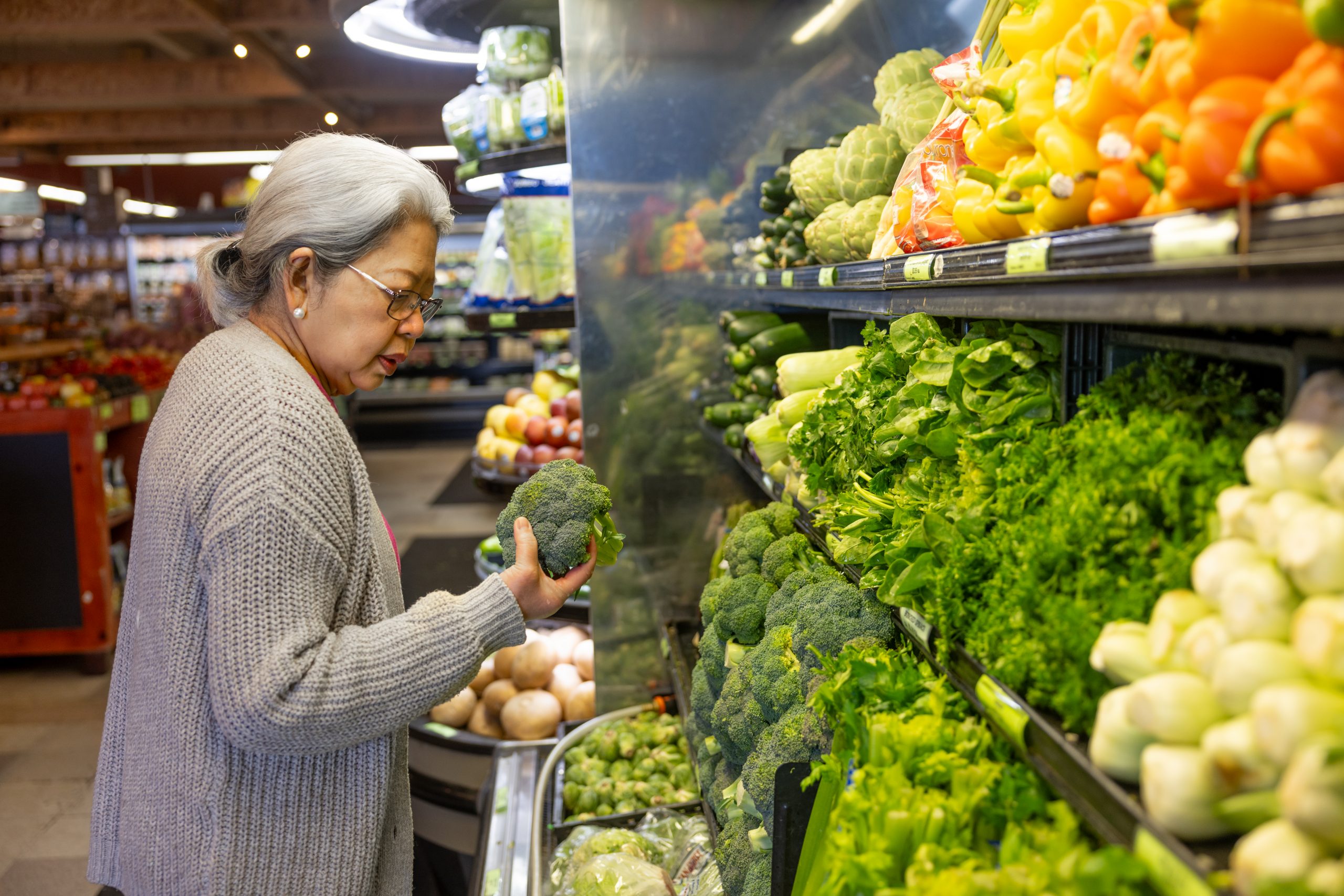
Another important secret to living a long, healthy life is diet. As we age, we lose strength and muscle mass. Our bodies use calories slower, and we need less of them to maintain the same weight. Protein is especially important to combat the loss of muscle mass, and experts recommend eating 1-1.2 grams a day. Calcium and vitamin D are another important part of diets for older adults. Both nutrients help strengthen your bones, which become brittle over time, leading to more serious injuries in the case of falls. Older adults should consume 1,200 mg of calcium and 800 IU of vitamin D each day. A balanced diet can help lower the risk of developing heart disease, type 2 diabetes, and high blood pressure. Focus on a diet that includes:
- Fresh fruits and vegetables
- Whole grains for fiber
- Healthy fats, like olive oil or avocadoes
- Lean proteins like fish or chicken
- Low-fat milk
It’s also important to stay hydrated. As you age, your sense of thirst decreases, which means you may not realize when your body needs water. If you begin to experience confusion, tiredness, or lightheadedness, these may be signs of dehydration. In older adults, dehydration can more easily turn into health problems, including problems with memory, fatigue, weakness, and pressure sores. It’s recommended to drink at least 6-8 glasses of water every day. Another way to maintain your hydration levels is by adding high water content foods to your diet. Some examples are soup, yogurt, gelatin desserts, and pureed fruits.
A cornerstone of healthy living is social interaction. In a 2023 poll, 37% of American adults aged 50-80 reported that they experienced loneliness, and 34% reported feeling socially isolated. Loneliness has a significant effect on our wellbeing and is associated with a higher risk of dementia, depression, anxiety, and heart disease. There are countless ways to stay connected as you age. Some examples are:
- Joining a senior center
- Taking classes at local colleges
- Volunteer work
- Joining hobby-related groups, like pottery or birdwatching
Yoga, tai chi, and other dance-like exercises improve balance, coordination, and flexibility, reducing the risk of falls.