Category Archive

2026 August

Pre- vs. Probiotics

Though the words are nearly identical (and you may have heard them used interchangeably), probiotics and prebiotics are not the same thing. Probiotics are good-for-your-gut bacteria that help you break down food and keep inflammation at bay. Prebiotics, on the other hand, are what makes probiotics work. Essentially, they’re the “food source” that keeps probiotics alive. In order to maintain healthy gut microbiota, or the community of beneficial bacteria in your gut, it’s important to consume both probiotics and prebiotics.

Probiotics are found in fermented foods. Some of the most popular options include:
  • Yogurt (make sure it includes the Lactobacillus and Bifidobacterium bacteria)
  • Kombucha
  • Sauerkraut
  • Kimchi
  • Kefir (both dairy and nondairy versions)
  • Miso

If you’re eating fermented foods for their probiotic value, make sure that the food is unpasteurized. The pasteurization process kills bacteria in the food, which includes beneficial probiotics as well.

Prebiotics come from a more diverse array of foods, including:

  • Potatoes
  • Bananas (especially green, less-ripe ones)
  • Oats
  • Asparagus
  • Garlic
  • Leeks
  • Onions
  • Barley
  • Wheat bran

Together, probiotics and prebiotics support your health in a number of ways. They help to improve your immune system, quicken digestion and metabolism, fortify your gut barrier, and ease mental health symptoms. Healthy gut microbiota may even reduce the risk of developing cancer. Conversely, poor gut health can cause bloating, abdominal pain, or an increased risk of developing chronic conditions.

The daily recommended amount of fiber differs based on your age or sex, but 25-30 grams is a good goalpost. This amount will ensure that the probiotics in your gut are fed enough to survive and replicate. Most people achieve these levels of fiber without any conscious effort, but those with chronic diseases or a weakened immune system may find it difficult to maintain a healthy level of gut microbiota. In these cases, supplements are available.

Probiotic supplements come in pill, powder, or liquid form. When choosing a probiotic supplement, there are a couple things to take into consideration:

  • Strain of Bacteria: Different strains will have different impacts on your health. For example, Lactobacillus paracasei treats diarrhea, bifidobacterium bifidum helps symptoms of IBS, and Lactobacillus reuteri can reduce crying time in colicky infants. Make sure to choose a strain that will address your specific concern.
  • High CFUs: CFU, or colony-forming units, refers to the number of bacteria that can survive long enough to make it from your mouth to your gut. The minimum recommended amount is 1 million CFU, though the most benefits are seen at around a CFU of one hundred million.
  • Seal of Approval: Check to see if the supplement is labeled with an approval seal from testing agencies like National Sanitation Foundation (NSF), the United States Pharmacopeia (USP), or ConsumerLab. These agencies are independent testers unassociated with the brand that check for quality and safety of the product.
  • Storage: Some supplements need to be refrigerated, while others can be kept at room temperature. Probiotics in spore form (for example, Bacillus coagulans or Bacillus subtilis) have a long shelf life and can survive well on the way to your digestive tract. Make sure to follow the instructions of the product, otherwise you may accidentally kill the helpful bacteria you’re trying to supplement.

While prebiotic supplements exist, it’s far easier (and cheaper) to eat fruits, vegetables, or whole grains that naturally add prebiotics to your system. Experts recommend only 5 grams of prebiotics a day and consuming too much can cause you to feel bloated, or experience diarrhea, constipation, or gas. If you have digestive issues, you may have difficulty digesting certain prebiotics like peaches, mangoes, or cherries.

The world of pro- and prebiotics may seem confusing at first, but healthy gut microbiota is easier to maintain than you would think. Simply making sure to eat your fruits and vegetables (and adding in the occasional fermented food) will help you experience all the benefits that probiotics and prebiotics have to offer.

Most healthy adults maintain a good composition of bacteria in the gut through their regular diet, without the need for supplements.
Household Hospitals: First Aid Kits

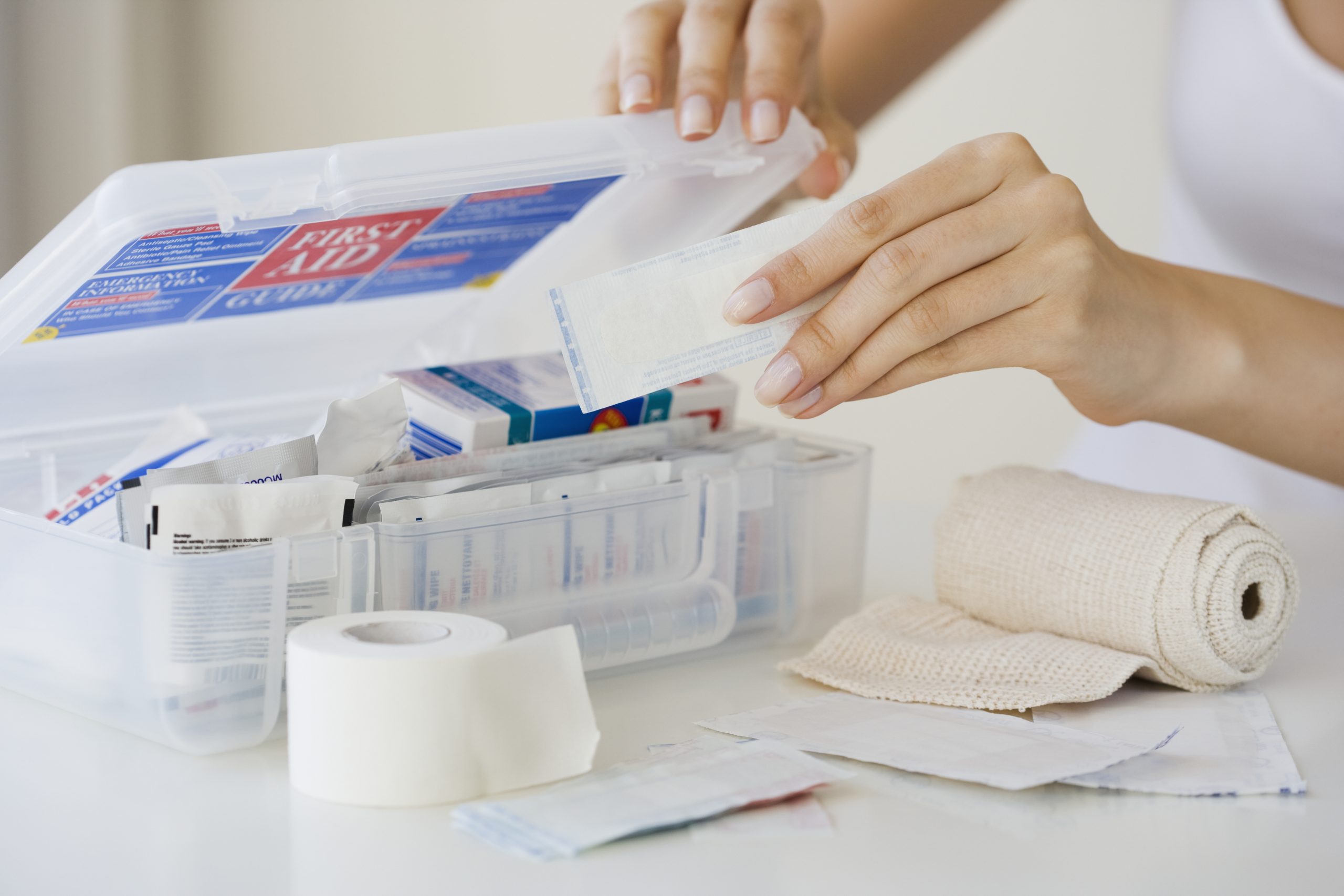
Injuries, big and small, are a sad fact of life, and you never quite know what’s around the corner. First aid kits are a great way to stay prepared for anything life throws at you, whether that’s paper cuts or broken bones. You can buy pre-filled first aid kits at your local drug store, or you can put together your own. Whichever route you choose, it’s important to personalize your first aid kit to the specific needs of your family, home, and environment.

When it comes to preparing your first aid kit, the Red Cross offers a list of recommendations to include in the kit. These include:

  • Absorbent compress dressings
  • Adhesive band-aids
  • Adhesive cloth tape
  • Antibiotic ointment
  • Antiseptic wipes
  • Aspirin
  • Emergency blanket
  • CPR breathing barrier, also known as a resuscitation mask or face shield
  • Instant/breakable ice packs
  • Nonlatex gloves
  • Hydrocortisone ointment
  • Gauze roll bandage
  • Sterile gauze pads
  • Thermometer (non-glass and non-mercury)
  • Triangular bandages
  • Tweezers
  • First aid instructions

While these recommendations are a great place to start, there are a few other things to keep in mind when stocking your first aid kit.

  • First aid recipients: Consider the needs of the people who will be using the first aid kit. Do you have young children? If so, it may be a good idea to include extra band-aids for scrapes or cuts. Does someone in your family use an EpiPen? Stock your first aid kit with an extra one, just in case.
  • Environmental issues: Pre-made first aid kits may not be personalized to your specific location. Are poison ivy or stinging nettles common to your area? You may want to include in your kit ointments for rashes that could be caused by your local flora. Supplies for dealing with mosquito, jellyfish, or scorpion bites are another helpful addition. You may also want to include allergy medication for seasonal allergies, or for dealing with allergic reactions.
  • Administering first aid: Do you know how each of the items in your first aid kit are used? Stockpiles of gauze and bandages won’t help much in an emergency if you don’t know what to do with them. Here are some important first aid tips:
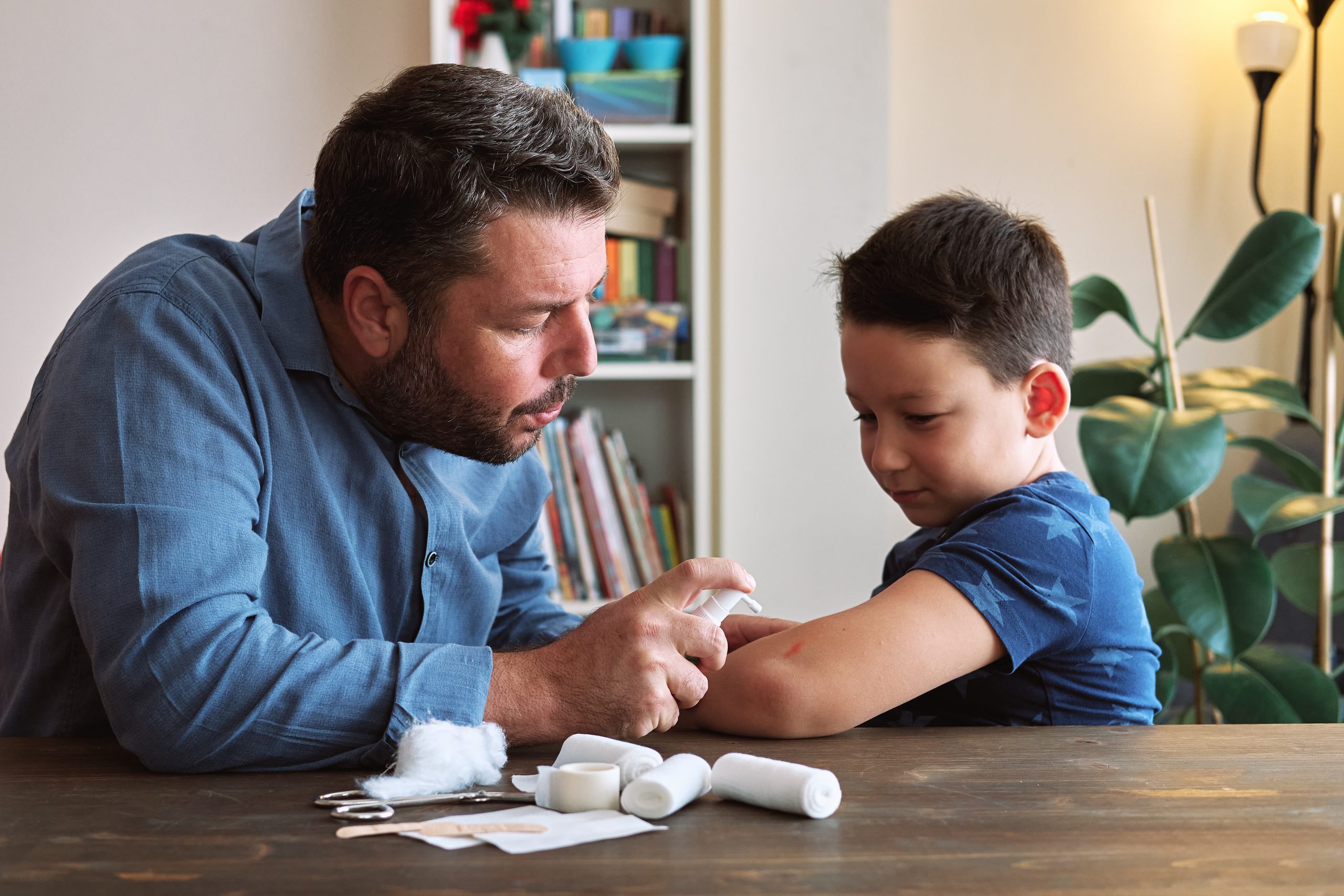
  • How to stop bleeding: Place a sterile gauze pad on the wound and apply pressure to staunch the bleeding. If possible, elevate it above the heart. If the blood seeps through the pad, do not remove it. Instead, apply another gauze pad and continue applying pressure.
  • The Heimlich Maneuver: Used for assisting someone who is choking, the Heimlich maneuver can free a blockage from an affected person’s throat. Stand behind the person and lean them slightly forward. Then, wrap your arms around their waist. Clench one first and place it between the person’s belly button and rib cage. Place your free hand around the fist and bring sharply backward and upward, under the person’s rib cage in five thrusts. Repeat until the object is coughed up.
  • Treating burns: Hold the burn under cool (not cold) running water for several minutes. If it’s a minor burn, apply ointment before wrapping the burn in gauze. Do not place ice on the burn. A first-degree burn only affects the outer layer of skin and is considered a minor burn. Burns that affect two layers of skin, or one that causes white or blackened skin are considered major burns. Major burns require medical attention.
  • Dealing with sprains and broken bones: Keep the limb still and elevate it. Place an ice pack on the injury, with a barrier between the ice pack and the skin. If necessary, use anti-inflammatory drugs like Advil or Tylenol. Seek medical attention as soon as possible.

In an emergency, it could be difficult to remember the exact steps for administering first aid. It may be helpful to include instruction sheets or notes in your first aid kit, so that you’re prepared for anything, even if your mind goes blank.

Make sure to keep your first aid kit in an easily accessible area. Every six months, check your first aid kit to see if anything has expired and needs replacing. A good way to remember to do this is checking your kit whenever you change your clocks for daylight savings. You never know when you may need a first aid kit, so it’s important to always keep it up to date.

In emergencies, every second matters. The application of first aid
can significantly reduce the severity of a person’s injuries.

Golden Years, Golden You

Exercise, balanced diets, and visits with friends and family are a vital part of our wellbeing at any age. But as we grow older, our bodies change. Things that came easy to us may begin to feel difficult to manage. But that doesn’t mean you should throw healthy living out the window — instead, try modifying your routines to fit your body, rather than the other way around. Here are some ways that you can stay active and healthy throughout your golden years.

The word “exercise” might bring to mind running marathons or lifting heavy weights, but there are many types of physical exercise that are far less strenuous on the body, and which still give you a multitude of health benefits. Regular physical helps lower your risk of developing cancer or dementia, improve balance, and even boost your memory and thinking skills. It’s recommended to get at least 150 minutes of physical activity per week. Some accessible types of physical activity include:

  • Walking around the neighborhood at a brisk pace
  • Tai chi or gentle yoga
  • Water aerobics
  • Gardening and household chores

Your body isn’t the only thing that’s in need of exercising — your brain needs it too! Brain exercises are any activity that engages your brain through focused problem-solving and learning. In order to be effective, the exercises must be difficult, but not too difficult that you become bored or uninterested. Research shows that engaging in brain exercise boosts your reasoning and processing speed, and can help you prevent cognitive decline. Some great ways to keep your brain happy and healthy are:

  • Crossword or jigsaw puzzles
  • Model building
  • Knitting projects
  • Mahjong
  • Chess
  • Bingo

Another important secret to living a long, healthy life is diet. As we age, we lose strength and muscle mass. Our bodies use calories slower, and we need less of them to maintain the same weight. Protein is especially important to combat the loss of muscle mass, and experts recommend eating 1-1.2 grams a day. Calcium and vitamin D are another important part of diets for older adults. Both nutrients help strengthen your bones, which become brittle over time, leading to more serious injuries in the case of falls. Older adults should consume 1,200 mg of calcium and 800 IU of vitamin D each day. A balanced diet can help lower the risk of developing heart disease, type 2 diabetes, and high blood pressure. Focus on a diet that includes:

  • Fresh fruits and vegetables
  • Whole grains for fiber
  • Healthy fats, like olive oil or avocadoes
  • Lean proteins like fish or chicken
  • Low-fat milk

It’s also important to stay hydrated. As you age, your sense of thirst decreases, which means you may not realize when your body needs water. If you begin to experience confusion, tiredness, or lightheadedness, these may be signs of dehydration. In older adults, dehydration can more easily turn into health problems, including problems with memory, fatigue, weakness, and pressure sores. It’s recommended to drink at least 6-8 glasses of water every day. Another way to maintain your hydration levels is by adding high water content foods to your diet. Some examples are soup, yogurt, gelatin desserts, and pureed fruits.

A cornerstone of healthy living is social interaction. In a 2023 poll, 37% of American adults aged 50-80 reported that they experienced loneliness, and 34% reported feeling socially isolated. Loneliness has a significant effect on our wellbeing and is associated with a higher risk of dementia, depression, anxiety, and heart disease. There are countless ways to stay connected as you age. Some examples are:

  • Joining a senior center
  • Taking classes at local colleges
  • Volunteer work
  • Joining hobby-related groups, like pottery or birdwatching

Yoga, tai chi, and other dance-like exercises improve balance, coordination, and flexibility, reducing the risk of falls.

Orthodontia

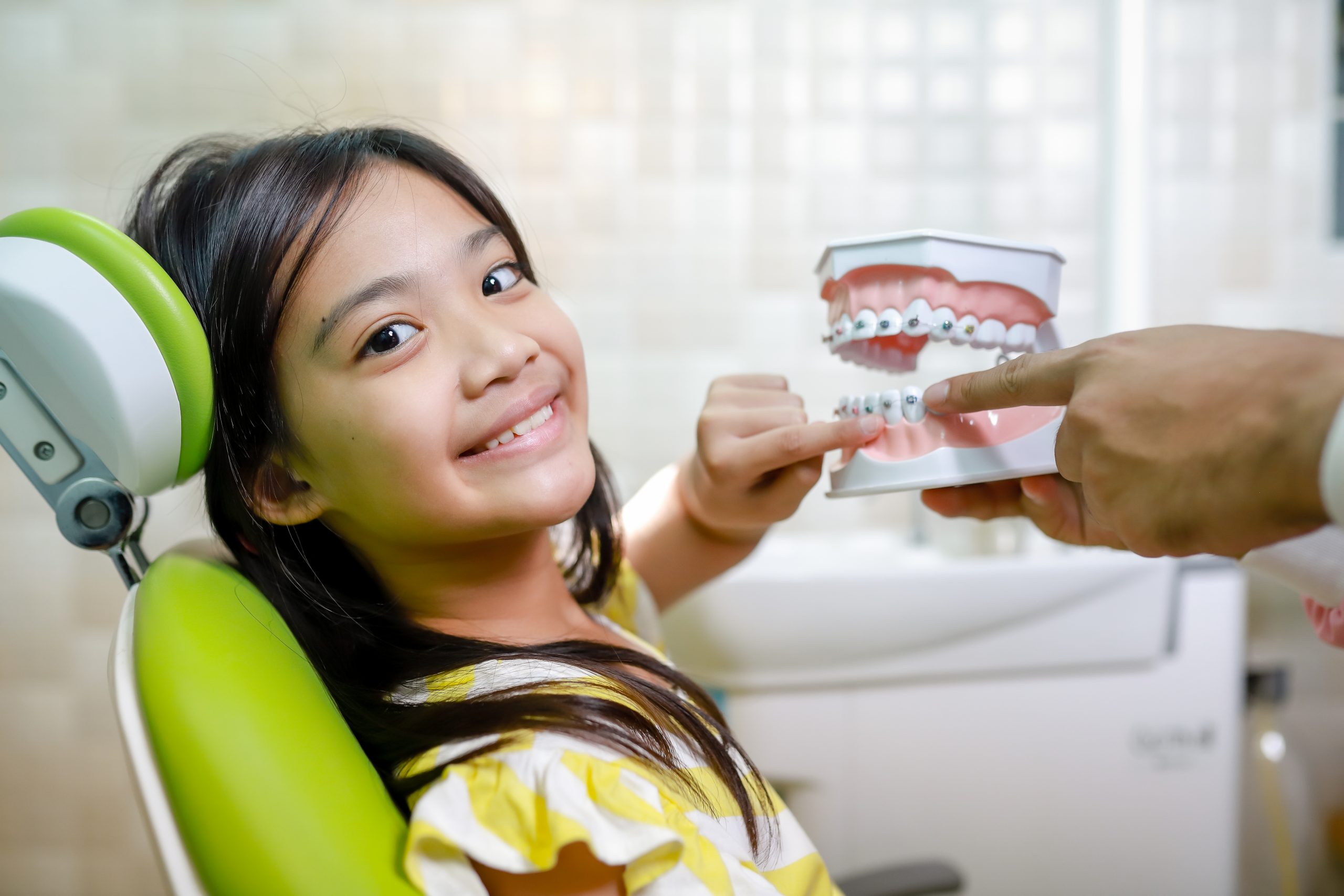
Not all dental plans are made equal, and not all dental plans cover orthodontics. If you or one of your children are looking to start braces, it’s best to double-check your policy before going forward. The average cost of orthodontic care can vary between $5,350 – $12,000, which are steep costs to be paying out of pocket. Most dental insurance policies separate dental care into three categories:

  • Preventive care: Refers to cleanings, oral exams, and X-rays, and other services you may get in a routine dentist’s appointment. Most dental plans cover the costs for these services.
  • Basic procedures: These procedures are slightly more complex than routine care and include things like extractions, filings, and gum disease treatment. Basic procedures may be partially covered by dental insurance, with the rest paid out of pocket.
  • Major procedures: Refers to more in-depth procedures like crowns, bridges, dentures, root canals, or inlays. Dental insurance may partially cover major procedures, but often at a smaller percentage than basic procedures.

Orthodontics is a separate category from the three mentioned above and is often not included in standard dental policies. If orthodontics is included, the policy may only apply to dependent children.

If your dental plan covers orthodontics, you’ll want to be aware of coinsurance amounts and annual and lifetime maximum benefits. For example, a dental plan that covers 50% with a lifetime maximum of $1,000 will only cover $500 of the cost of braces — 50% of the $1,000 lifetime maximum. Every dollar spent after that will need to be paid out of pocket.

Cigna offers orthodontic coverage on select plans. Their full-coverage dental insurance plans often include orthodontics, and, on the plans that don’t cover orthodontics, may include discounts for those procedures. Some Cigna plans have waiting periods, which means you can’t start using the plan’s benefits immediately. For basic procedures, you may need to wait 6 months before the coverage applies, while major and orthodontic services may require you to own the policy for at least a year.

Guardian offers orthodontics on several different plans. Each of their plans have a waiting period of 1 year before the coverage applies. It’s also important to note that Guardian’s orthodontic coverage only applies to children under the age of 19.

Anthem plans may be slightly higher than Cigna and Guardian, but their waiting period is much shorter. Waiting periods on Anthem’s more in-depth plans can vary from none at all to 6 months. Orthodontics are only covered on select plans, so be sure to double check with your provider that your procedures will be covered.

If you qualify for Medicaid, your child’s braces may be covered if they are deemed medically necessary. The Early and Periodic Screening, Diagnostic, and Treatment (EPSDT) benefit provides preventive healthcare to Medicaid-enrolled children under the age of 21 if a screening reveals a condition that needs treatment. This includes orthodontics.

If you’re already on a dental plan, supplemental orthodontic insurance may be an option. This allows you to add coverage for braces and other related services to an existing dental plan. Not all insurance companies offer supplemental insurance, so check with your provider to see if this is an option for you.

It’s important to understand what is and isn’t covered under your dental plan, especially when it comes to orthodontic investments. Always double-check your benefits, coverage amounts, and annual and lifetime maximums to ensure you’re getting the most out of your plan (and paying the least out of pocket).

Braces for adults are often considered cosmetic procedures, so insurance may not cover the cost.