Melatonin is the hormone that
determines your circadian rhythm,
or your body’s natural sleep-wake cycle.
Melatonin is not regulated by the FDA, so quality and dosage amounts may differ between brands.
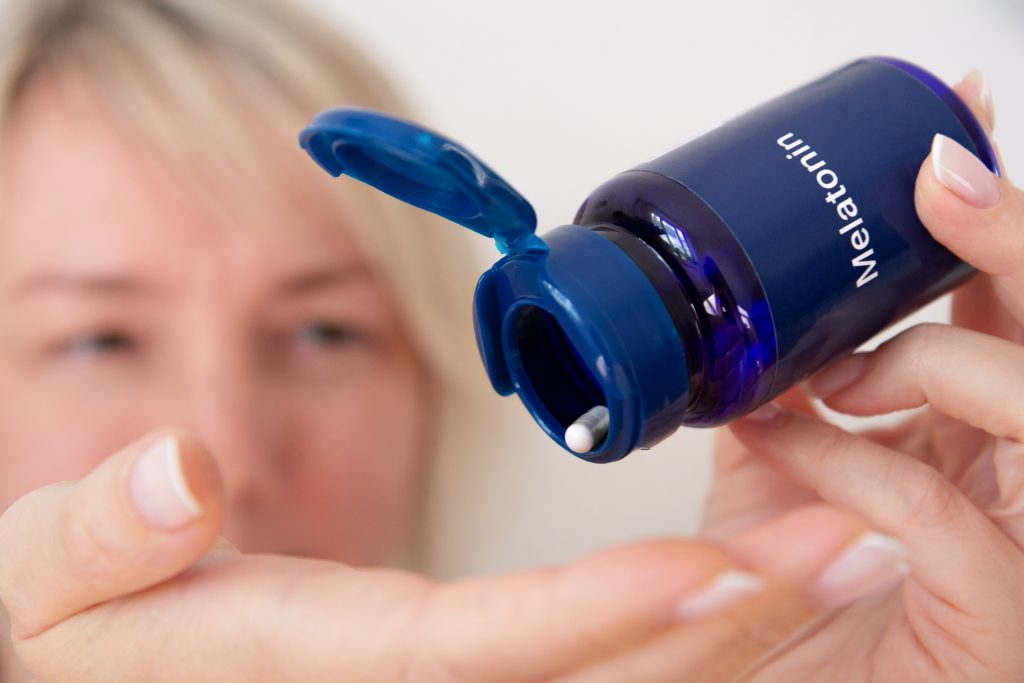
When you think of melatonin, your first thought may be the sleep aid supplement found in your grocery store’s vitamin aisle. It’s an understandable image — even searching for the word online results in mostly supplement-focused articles. But melatonin is much more than a pill or gummy that makes you fall asleep fast. In fact, it’s a naturally occurring compound produced by your brain every night.
Melatonin is the hormone that determines your circadian rhythm, or your body’s natural sleep-wake cycle. It’s created by the pineal gland, which is a tiny gland located in the middle of your brain. Starting in the evening, around the time that the sun goes down, your pineal gland begins to create melatonin. This signals to your body that it’s time to relax and get ready for bed. As a result, your body temperature and blood pressure naturally lower, and your eyes become less responsive to light.
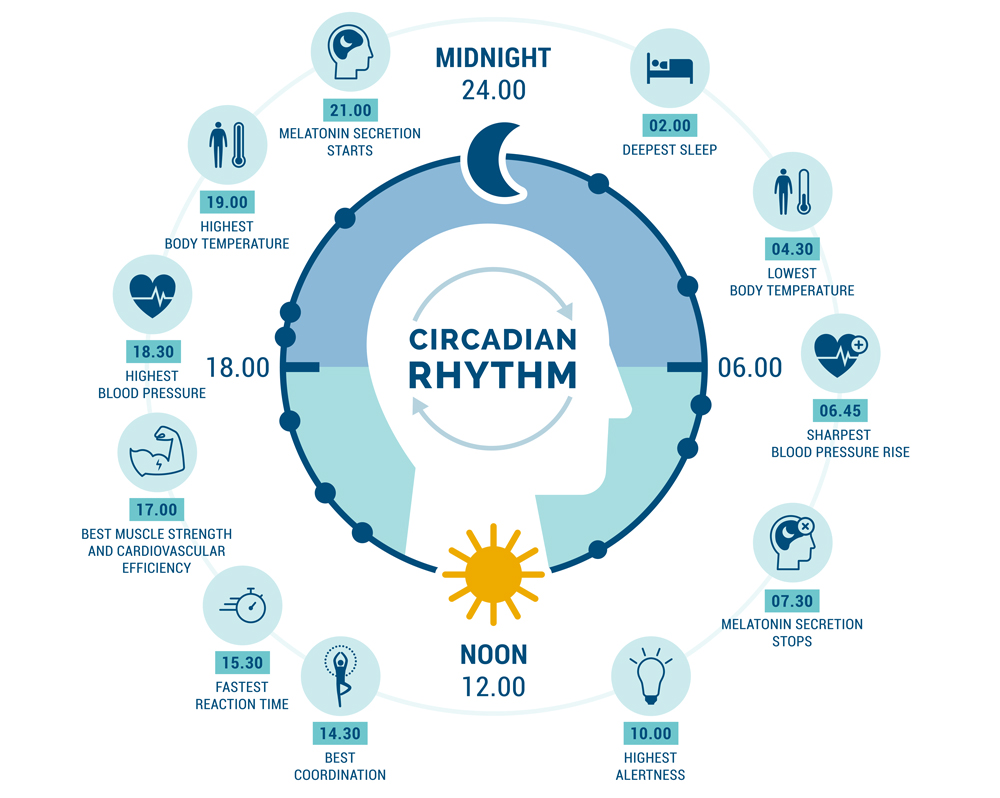
Melatonin production continues through the night, which helps you stay asleep, and peaks around 1AM. Once you’re exposed to sunlight, melatonin production stops and the melatonin in your blood drops to undetectable levels. Without melatonin running through your body, you begin to feel awake, alert, and ready to tackle the day.

If you have issues with insomnia, jet lag, or suffer from a circadian rhythm disorder, melatonin supplements may help you to regulate your sleep-wake cycle. The supplements work just like naturally produced melatonin does, and can help you feel sleepy, stay asleep, and wake up feeling refreshed. But, just like natural melatonin, they work gradually. You probably won’t fall asleep immediately after taking a single dose. Instead, try taking melatonin 1-2 hours before your desired bedtime.
Melatonin supplements come in several different forms, from capsules to gummies. They contain synthetic or lab-grown versions of the hormone and are considered dietary supplements by the Food and Drug Administration (FDA). This means that there are no FDA-approved melatonin supplements, so the quality and dosing can differ between brands. In general, most adults should start with 0.5-1mg of melatonin. You can increase the dose up to 3mg if necessary, but dosages higher than that are typically not any more effective. In fact, dosages of 5mg or above can result in more side effects. The most common of which include:
- Drowsiness or grogginess
- Headache
- Dizziness
- Nausea
- Irritability

In general, melatonin supplements are considered safe and non-addictive, but there are certain groups of people that should speak to their health provider before starting melatonin. Melatonin may not be for you if you have:

- Diabetes
- Depression or mood disorders
- A bleeding disorder or take blood thinners
- High or low blood pressure
- Epilepsy or seizure disorders
- Dementia
- An autoimmune disease
- Sleep apnea
Those who are taking other sleep medications, such as sedatives or tranquilizers, should also check with a doctor before taking melatonin.
While melatonin supplements work well for insomnia short term, they are not effective for chronic insomnia. In these cases, melatonin works best when you combine it with healthy sleep habits. Some examples are:
- Consistent bedtimes and wake-up times: Melatonin regulates your sleep-wake cycle by making you feel sleepy at the same times each day. Staying in tune with that preprogrammed system will help you fall asleep and stay asleep through the night.
- Sunlight exposure: Your body stops producing melatonin when you’re exposed to daylight. Try going outside for just 30 minutes each morning to help your brain and body wake up.
- Limit smartphone usage: The blue light that your computer, smartphone, or TV gives off mimics natural sunlight. This tells your brain that it’s still daytime, and melatonin production gets suppressed. Turn off your electronic devices at least 30 minutes before bedtime to ensure melatonin has time to work its magic.