Category Archive

2026 October

Preventive Healthcare Saves Lives

Preventive healthcare is the secret to staying healthy throughout your life.

According to a 2018 study, only 8% of adults 35 and older
go through with the preventive screenings they need.

The key to understanding this kind of healthcare lies in the first word — preventive. It refers to screening tests and other related health services that find diseases or illnesses in their early stages, so that you can prevent them from developing into a major health issue. The tests are usually carried out by your primary care physician (PCP), and can help you live a longer, healthier life.

Preventive healthcare covers a vast array of screenings and tests. For adults, typical preventive healthcare includes:

  • Blood pressure and cholesterol screening: These tests allow you to detect early signs of metabolic conditions which, if left untreated, can develop into serious health conditions, such heart disease or diabetes.
  • Cancer screenings: Breast cancer, colorectal cancer, cervical cancer, and prostate cancer screenings are all considered preventive healthcare. By detecting these cancers in their beginning stages, you can prevent them from becoming more serious later on.
  • Immunizations: Annual flu shots, boosters, COVID-19 vaccines, and other common vaccines prevent the spread of serious diseases and are therefore considered preventive healthcare.
  • Sexually transmitted infection (STIs) screening: Some STI testing is considered preventive healthcare, though the exact coverage depends on your insurance plan, your age, and other risk factors.
  • Osteoporosis screening: This kind of screening is considered preventive for people with ovaries who are 65 years of age or older. For people with ovaries younger than 65, this screening is preventive if the person has gone through menopause.
  • Counseling: Counseling can be considered preventive if it reduces your risk of developing certain chronic conditions. Examples of this include tobacco or alcohol intervention, obesity counseling, or breast cancer genetic test counseling (BRCA).


There are also preventive healthcare services available for children, including routine immunizations, mental health screenings, and well-child visits. Well-child visits are annual (or semi-monthly, in the case of infants) trips to the doctor that monitor your child’s development and growth. The Children’s Health Insurance Program (CHIP), which provides health insurance to children and pregnant women whose income levels are too high to qualify for Medicaid, covers preventive healthcare for children in full.

Most health plans cover preventive services at 100% with no extra cost to you, provided that you see an in-network doctor. This includes the plans offered through the Health Insurance Marketplace, a resource created by the Affordable Care Act (ACA) to help you find affordable healthcare. Out-of-network doctors and hospitals may result in extra fees, and some health plans may not fully cover preventive services. Before scheduling any appointments, it’s best to double-check your plan’s benefits to ensure that preventive services are covered.


Since preventive healthcare’s goal is early detection, the doctor’s visit is not considered preventive if you are experiencing symptoms of a health condition. In these cases, the visit would count as diagnostic, rather than preventive, even if you don’t receive a diagnosis during the appointment. In the same way, visits to a specialist or care for a preexisting condition do not qualify as preventive.

Another important aspect of preventive care is family history. Documenting the health conditions that are common in your family helps your PCP determine what tests are necessary for your preventive healthcare, as well as the timing for those tests. For example, if your family has a history of breast cancer, you may need early or more frequent cancer screenings. These screenings qualify as preventive care.

Preventive healthcare allows you to catch any diseases or illnesses that could develop into chronic conditions if left alone. Take advantage of preventive healthcare’s $0 cost and take care of your health at the same time!

Melatonin: Chemical Chamomile

Melatonin is the hormone that
determines your circadian rhythm,
or your body’s natural sleep-wake cycle.

Melatonin is not regulated by the FDA, so quality and dosage amounts may differ between brands.

When you think of melatonin, your first thought may be the sleep aid supplement found in your grocery store’s vitamin aisle. It’s an understandable image — even searching for the word online results in mostly supplement-focused articles. But melatonin is much more than a pill or gummy that makes you fall asleep fast. In fact, it’s a naturally occurring compound produced by your brain every night.

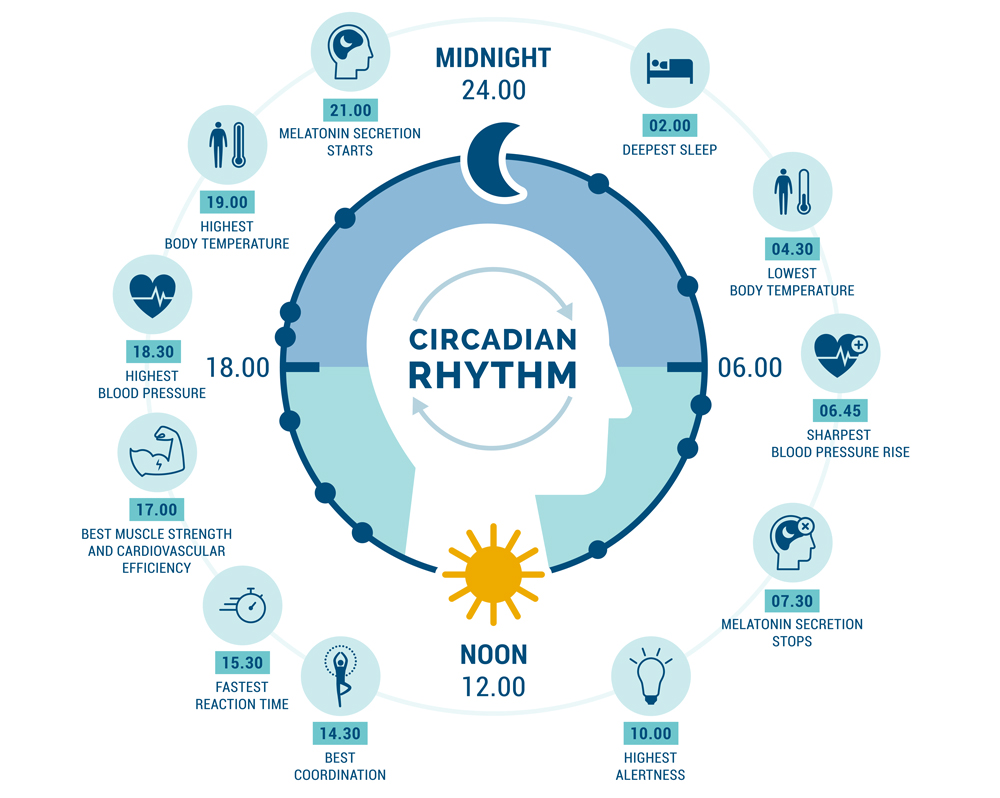
Melatonin is the hormone that determines your circadian rhythm, or your body’s natural sleep-wake cycle. It’s created by the pineal gland, which is a tiny gland located in the middle of your brain. Starting in the evening, around the time that the sun goes down, your pineal gland begins to create melatonin. This signals to your body that it’s time to relax and get ready for bed. As a result, your body temperature and blood pressure naturally lower, and your eyes become less responsive to light.

Melatonin production continues through the night, which helps you stay asleep, and peaks around 1AM. Once you’re exposed to sunlight, melatonin production stops and the melatonin in your blood drops to undetectable levels. Without melatonin running through your body, you begin to feel awake, alert, and ready to tackle the day.

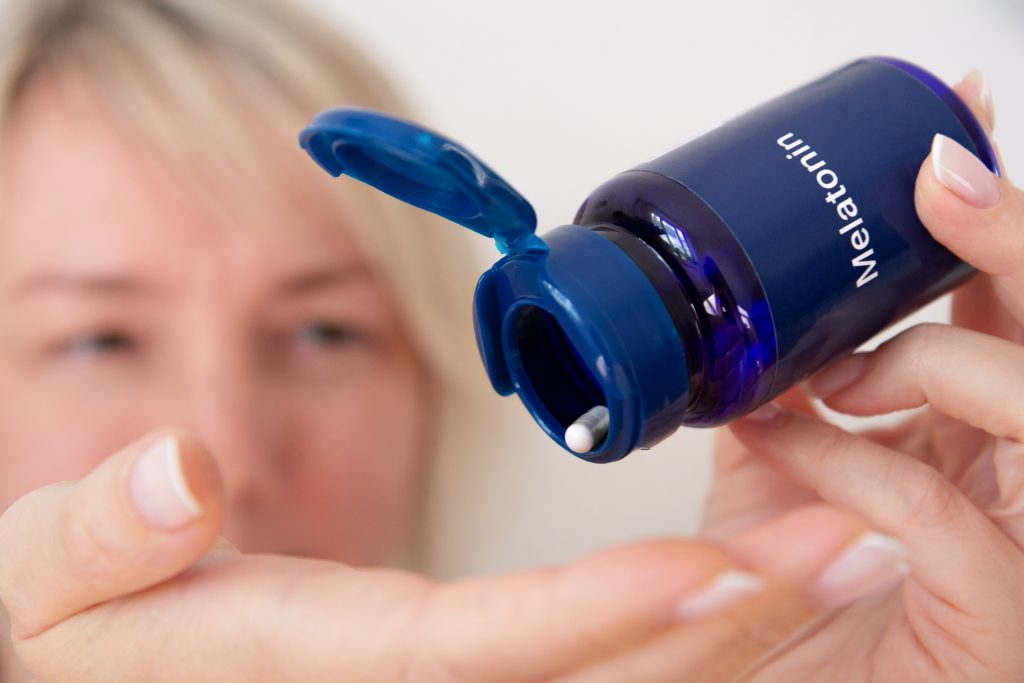
If you have issues with insomnia, jet lag, or suffer from a circadian rhythm disorder, melatonin supplements may help you to regulate your sleep-wake cycle. The supplements work just like naturally produced melatonin does, and can help you feel sleepy, stay asleep, and wake up feeling refreshed. But, just like natural melatonin, they work gradually. You probably won’t fall asleep immediately after taking a single dose. Instead, try taking melatonin 1-2 hours before your desired bedtime.

Melatonin supplements come in several different forms, from capsules to gummies. They contain synthetic or lab-grown versions of the hormone and are considered dietary supplements by the Food and Drug Administration (FDA). This means that there are no FDA-approved melatonin supplements, so the quality and dosing can differ between brands. In general, most adults should start with 0.5-1mg of melatonin. You can increase the dose up to 3mg if necessary, but dosages higher than that are typically not any more effective. In fact, dosages of 5mg or above can result in more side effects. The most common of which include:

  • Drowsiness or grogginess
  • Headache
  • Dizziness
  • Nausea
  • Irritability

In general, melatonin supplements are considered safe and non-addictive, but there are certain groups of people that should speak to their health provider before starting melatonin. Melatonin may not be for you if you have:

  • Diabetes
  • Depression or mood disorders
  • A bleeding disorder or take blood thinners
  • High or low blood pressure
  • Epilepsy or seizure disorders
  • Dementia
  • An autoimmune disease
  • Sleep apnea

Those who are taking other sleep medications, such as sedatives or tranquilizers, should also check with a doctor before taking melatonin.

While melatonin supplements work well for insomnia short term, they are not effective for chronic insomnia. In these cases, melatonin works best when you combine it with healthy sleep habits. Some examples are:

  • Consistent bedtimes and wake-up times: Melatonin regulates your sleep-wake cycle by making you feel sleepy at the same times each day. Staying in tune with that preprogrammed system will help you fall asleep and stay asleep through the night.
  • Sunlight exposure: Your body stops producing melatonin when you’re exposed to daylight. Try going outside for just 30 minutes each morning to help your brain and body wake up.
  • Limit smartphone usage: The blue light that your computer, smartphone, or TV gives off mimics natural sunlight. This tells your brain that it’s still daytime, and melatonin production gets suppressed. Turn off your electronic devices at least 30 minutes before bedtime to ensure melatonin has time to work its magic.
Approximately 2.1% of American adults and 6% of children use melatonin at least monthly.

Magnificent Magnesium

Magnesium is more than just a health fad,
it’s key to more than 300 different chemical processes in your body.

An estimated 2.4 billion people worldwide are magnesium deficient.

Magnesium has been a hot topic in wellness circles for a while now — it’s even recently gone viral on TikTok as the main ingredient for the “Sleepy Girl Mocktail,” a drink said to make you fall asleep fast. Magnesium is a cofactor, meaning it helps your enzymes function, so they can complete vital processes like digesting food or repairing DNA. Low levels of magnesium in the body are linked to a variety of health issues, including depression, osteoporosis, and high blood pressure.

Your body sources magnesium from high fiber foods, such as nuts, legumes, whole grains, vegetables, and fruit. It’s recommended to get about 320-420 milligrams of magnesium a day. Those who stick to plant-based diets, such as the Mediterranean diet, likely maintain good levels of magnesium. However, magnesium deficiency is surprisingly common across the globe — an estimated 31% of people worldwide don’t consume enough magnesium in their regular diet. That’s roughly 2.4 billion people. Older adults, people with ovaries, people who consume alcohol regularly, and people on certain medications are at a naturally higher risk of magnesium deficiency.

Your magnesium levels can be checked through a standard blood test, which will help you determine whether or not magnesium supplements would be a good fit for you. There are several different kinds of magnesium supplements on the market: magnesium glycinate, magnesium citrate, magnesium oxide, and magnesium sulfate. The second word refers to the specific salts formed when magnesium combines with other substances. These salts determine how the magnesium affects your body once absorbed:

However, taking one supplement over the other doesn’t mean you’re missing out on any specific health benefit. There are still a variety of health benefits that magnesium brings to the table, regardless of what salt it’s paired with. Some examples include:

  • Maintaining good cortisol levels. Studies show that magnesium may level out cortisol levels. Higher levels of cortisol are associated with anxiety and depression, so magnesium is a great way to keep your spirits up, even when times are tough.
  • Keeping your heart healthy. Magnesium may lower the risk of developing heart disease, high blood pressure, and stroke.
  • Reliving PMS symptoms. For those who experience a menstrual cycle, premenstrual syndrome (PMS) can make getting through the day difficult. Magnesium can help relieve menstrual cramps, migraines, and bloating.
  • Maintaining bone strength. 50-60% of the magnesium in your body is found in your bones. Magnesium is essential for bone health, and can help protect you against developing osteoporosis.
  • Beating insomnia. Magnesium regulates several neurotransmitters that are involved in sleep. As such, it can lower the time it takes you to fall asleep, as well as improve sleep quality and duration.

While you’re more likely to be deficient in magnesium than anything else, there is such a thing as too much magnesium. Excessive magnesium intake can cause a variety of issues, including:

  • Diarrhea
  • Nausea
  • Cramps
  • Low blood pressure
  • Fatigue
  • Impaired kidney function

Before taking any supplements (magnesium or otherwise), it’s always important to check with a health professional first. Wellness websites aren’t privy to your specific situation and can’t tell you what your body truly needs. Magnesium supplements may interact with certain medications, including some diabetes and blood pressure drugs, thyroid medication, and a few antibiotics.

Dependent Care FSA

Dependent Care FSAs help you save money and take care of your loved ones at the same time.

Once your child turns 13, you can no longer use Dependent Care FSA funds for their care.
If they turn 13 mid-year, only expenses prior to their birthday qualify.

FSAs, or Flexible Spending Accounts, are helpful tools sometimes offered by your employer as part of their healthcare benefit packages. The Dependent Care FSA allows you to set aside money from your paycheck for the specific purpose of caring for a dependent. In this case, a qualifying dependent would be a child (including stepchild or foster child) below the age of 13, or a dependent incapable of caring for themselves. This covers adult children with disabilities, elderly relatives who live with you, or a spouse who is incapable of self-care. The IRS defines “incapable of self-care” as someone who cannot dress, clean, or feed themselves because of a disability, or someone who needs constant supervision for their own safety or the safety of others.

The money placed within the Dependent Care FSA is not subject to taxes, which includes the federal income tax, Social Security tax (6.2%), and Medicare tax (1.45%). This means that you save more money through a Dependent Care FSA than you would if you simply used your paycheck to pay for dependent-related costs. You may use the Dependent Care FSA funds for certain qualifying purchases. These include:

  • Education: Fees for nursery school, preschool, and daycare centers qualify, as long as they’re below the kindergarten level. You cannot use Dependent Care FSA funds for fees related to the kindergarten level or higher, nor can you use them for summer school or tutoring programs.
  • Before- and after-school care: You can use Dependent Care FSA funds to pay for programs that watch your child outside of school hours, even if your child is in kindergarten or a higher grade.
  • Day camps: As long as your child doesn’t stay overnight, summer camps and specialty camps, like ones focused on sports, arts, or computer programming, are considered qualifying Dependent Care FSA expenses. If you are caring for an older dependent, adult daycare also qualifies.
  • In-home caregivers: You may use Dependent Care FSA funds to pay nannies or babysitters to watch your dependent while you work. If your caregiver lives in your home, their rent, utility fees, and meals are also considered qualifying expenses. However, if you pay them more than $3,000 in cash during 2026, you are considered a household employer and must withhold Social Security and Medicare taxes on those wages.

There are also certain non-qualifying expenses you should also be aware of. This includes:

  • Entertainment, food, or clothing: These are not considered as “caring for a dependent,” and therefore do not qualify.
  • Overnight camps: You cannot use Dependent Care FSA funds to pay for sleep-away camps, even if the camps have a focus on education.
  • Certain relatives when babysitting: Spouses, ex-spouses, or your own children below the age of 19 cannot be paid from your Dependent Care FSA, even if they’re acting as a babysitter. However, you may use Dependent Care FSA funds to pay grandparents, aunts and uncles, or children above the age of 19 (as long as they’re not considered a dependent)

Starting in 2026, you can contribute up to $7,500 into the Dependent Care FSA, which is the maximum per household. This means that if you and your spouse both have Dependent Care FSAs through different employers, your combined total cannot exceed $7,500. If you’re married but file your taxes separately, your limit is $3,750. It’s important to note that employer contributions also count toward the Dependent Care FSA limit. Dependent Care FSAs are use-it-or-lose-it accounts. Once the plan year ends, the money left in the account is forfeited, so be mindful of your expenses. It’s also a good idea to save your receipts for every Dependent Care FSA expenditure, since they’re more than likely needed for claim verification.