Author Archive

The Importance of Carbohydrates

Carbohydrates often get a bad reputation.

Maybe it’s because carbohydrates are processed as sugar (the body turns carbs into glucose during digestion), and people immediately associate it with weight gain or unhealthy spikes in blood sugar and issues with insulin. But that isn’t always the case. Fiber, starch, and sugars all fall under the umbrella term of carbs. And when your body turns the carbs into glucose, it gives your body and organs the energy it needs to perform basic functions.


Not All Carbohydrates Are Created Equal

Carbs can be complex or simple and can be digested at different speeds. The longer it takes, the less your blood sugar spikes. Complex carbs include fruits, vegetables, and whole-grain foods. These are less likely to cause a large blood sugar spike.

Simple carbs digest quicker and are more likely to contribute to weight gain or the risk of diabetes. Some examples of simple carbs are lactose, sucrose, fructose, and glucose. They can be found in items like candy or highly processed food items where the fiber has been stripped away.


Fiber

Fiber is found in plant-based foods and helps your body regulate blood sugar and healthy cholesterol levels. It also keeps you feeling fuller throughout the day. Good sources of fiber are:

  • Beans
  • Legumes
  • Fruits and vegetables
  • Nuts and seeds
  • Brown rice
  • Oatmeal
  • Whole-wheat bread or pasta

Starches

Starchy foods — beans, legumes, fruits, vegetables, etc. — provide your body with micronutrients and stabilize blood sugar levels, similar to fiber.


Carbs Have a Place in Your Diet

Restricting your carb intake can be hard to sustain long term, and it can be detrimental if you deprive your body of all the vitamins, minerals, and fiber that come with (specifically) complex carbohydrates.

Most importantly, carbohydrates are the body’s main energy source that fuels your body’s ability to breathe and move and your brain’s ability to think. The whole grains and dietary fiber found in complex carbs are known to lower the threat of heart disease and stroke, protect against obesity and colon and rectal cancers, and reduce your risk for type 2 diabetes.

When in doubt, follow the Mayo Clinic’s advice to “choose your carbohydrates wisely. Limit foods with added sugars and refined grains, such as sugary drinks, desserts, and candy. These are high in calories but low in nutrition. Instead, select fruits, vegetables, and whole grains.”

Cognitive Behavioral Therapy

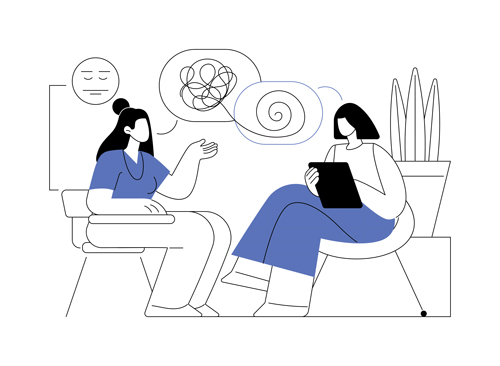
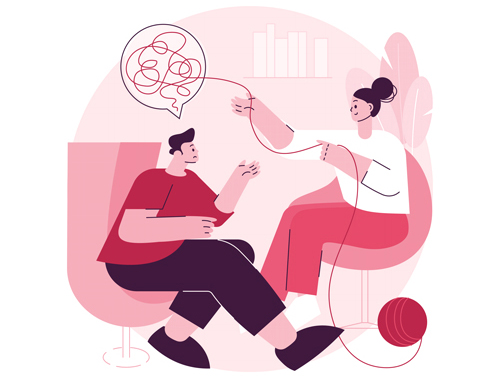
Cognitive behavioral therapy (CBT) is based on how your thoughts, emotions, and actions are connected.

Cognitive1-1449277956

At its core, cognitive behavioral therapy treats psychological problems rooted partly in faulty or unhelpful ways of thinking and learned patterns of unhelpful behavior. It aims to teach better coping methods to relieve symptoms and improve one’s quality of life.

Cognitive behavioral therapy can help treat certain emotional conditions, including:

  • Depression or anxiety disorders
  • Post-traumatic stress disorder (PTSD)
  • Eating disorders
  • Phobias
  • Sleep disorders
  • Managing stressful life situations
  • Bipolar disorders
  • Obsessive-compulsive disorder (OCD)

It can also help you work through everyday challenges regarding relationship issues, grief, divorce, professional work issues, etc.

Some steps taken during cognitive behavioral therapy appointments include:

  • Identifying the situations in your life (illness, divorce, grief, anger, etc.) causing obstacles in your life
  • Tune into the thoughts and interpretations you have about these situations
  • Developing confidence in one’s abilities
  • Recognizing any thinking or behavioral patterns that contribute to the problem(s) or distort your understanding of a situation
  • Working to reshape negative or inaccurate thinking through problem-solving and coping skills

It can be done in one-on-one settings, in a group setting, or with family members. Some of the strategies employed in cognitive behavioral therapy are facing your fears, role playing to prepare for anxiety-inducing or potentially problematic interactions, and learning tools to calm and relax your mind and body. It can be particularly effective when combined with other forms of treatment, including medication, when appropriate.

While cognitive behavioral therapy may not completely solve your problem, it can help you cope more effectively and feel better about your situation.

If your symptoms worsen, contact your healthcare provider right away. Call 988 to get help immediately if you have suicidal thoughts or are thinking about harming others.

In-Office Maternal Benefits

It’s no secret that being a working mom has challenges, and that’s especially true for women who are returning to work after giving birth.

On top of the emotional and logistical obstacles they face, many post-partum women have the added challenge of needing to express breastmilk throughout the day.

The PUMP Act— which stands for Providing Urgent Maternal Protections — is a law that requires employers across the nation to provide reasonable break time and a private, non-bathroom space for an employee to pump breast milk.

The location must be shielded from the view of others and free of intrusion from the public or coworkers, and the employee must have access to these accommodations for one year after childbirth.

It was signed into law at the end of 2022 and helped close gaps in the Break Time for Nursing Mothers law that left 1 in 4 women without pumping protection during the workday and expanded the legal right to teachers, registered nurses, farmworkers, and more. The PUMP Act also clarifies that these breaks count as working time and allows an employee to take legal action against the employer if the law is violated. On April 28, 2023, The PUMP Act expanded its enforcement provision to allow employees to file a lawsuit for monetary remedies.

A lawsuit can be filed under the following circumstances:

  • Violations of the break time requirement
  • The employer indicates no intention of providing private space for pumping
  • If an employee is terminated for requesting break time or space

Complaints can be filed with the U.S. Department of Labor Wage and Hour Division (WHD) at the toll-free number 1-800-487-9243 or by visiting www.dol.gov/whd. Employees may also contact the free helplines from the Center for WorkLife Law and/or A Better Balance to understand their legal rights and options.

Acupuncture for Pain

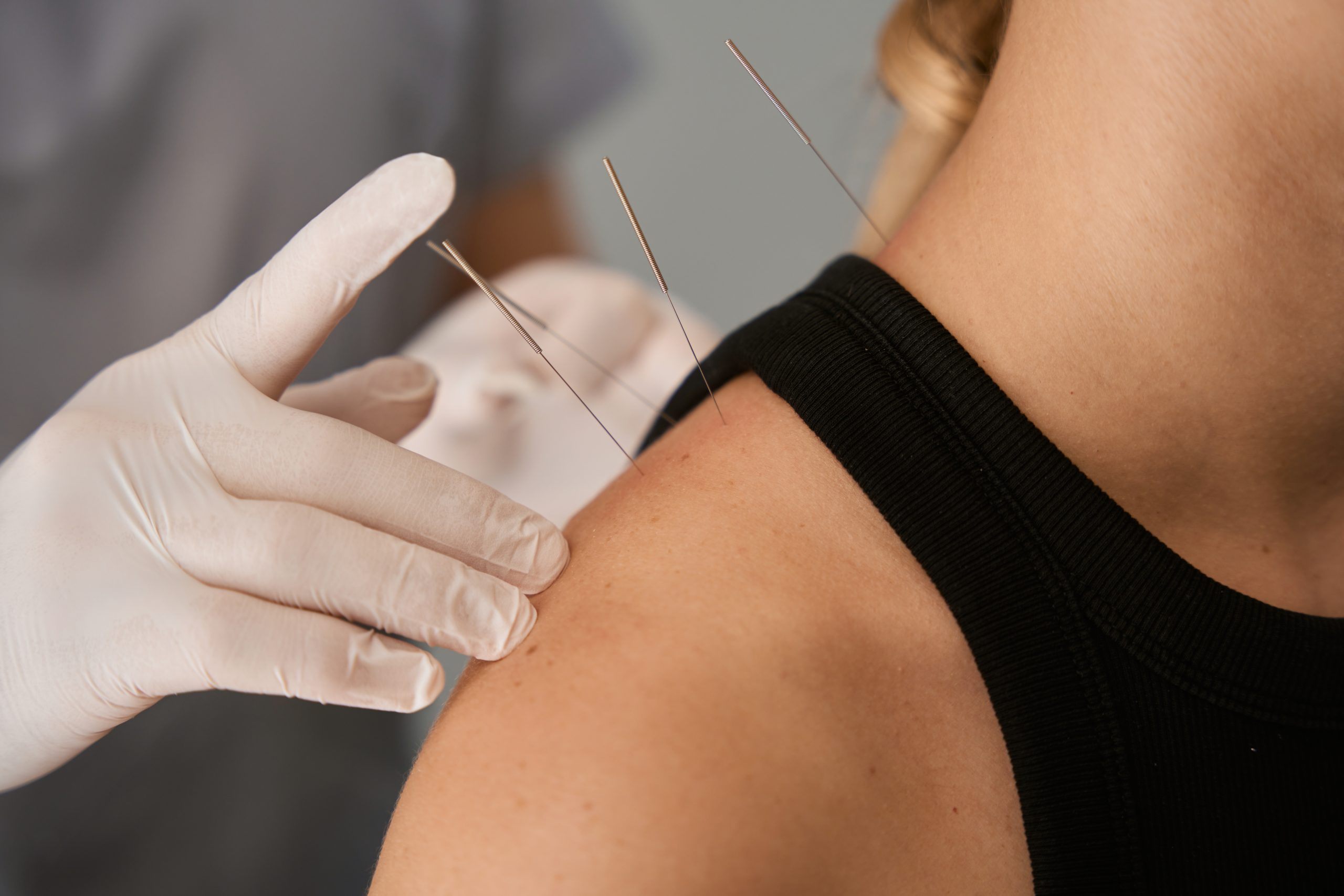
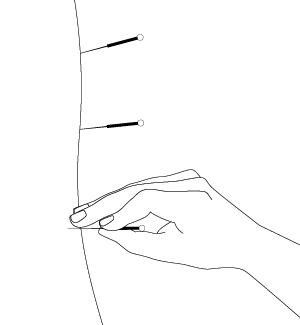
The insertion of very small needles in specific points of the body — known as acupuncture — is known to relieve pain and treat health issues.

Most people don’t like being poked and prodded with needles. Still, the insertion of very small needles in specific points of the body — known as acupuncture — is growing in popularity throughout western parts of the world to help relieve pain and treat health issues.

According to Johns Hopkins Medicine, acupuncture is part of the
ancient practice of Traditional Chinese medicine (TCM)
that has evolved over thousands of years to
prevent, diagnose, and treat disease.

The belief is that your body’s vital energy (called qi) flows along specific meridian channels and lends itself to spiritual, emotional, and physical health when balanced. When unbalanced, it can lead to health issues, but one approach to restoring the balance and flow is acupuncture. Acupuncturists believe 2,000+ acupuncture points on the body are linked through the various meridians. The actual practice of acupuncture includes placing thin needles into the skin on certain points of a meridian. These are then activated by the provider’s hands or through electrical stimulation.

In Western practices, acupuncture points are seen as places to stimulate nerves, muscles, and connective tissue and stimulate pain management naturally in the body.

The needles used in acupuncture are extremely thin, causing little pain to the recipient. Instead, many feel relaxed or energized through the practice of acupuncture. Other forms of stimulation may also be used in the sites, including heat, pressure, friction, and suction.

Professionals use acupuncture to relieve discomfort and treat conditions like:

  • Chemotherapy-induced and postoperative nausea and vomiting
  • Dental pain
  • Fibromyalgia
  • Headaches (tension and migraines)
  • Labor pain
  • Lower back pain
  • Neck pain
  • Osteoarthritis
  • Menstrual cramps
  • Respiratory disorders
  • Tennis elbow
Acupuncture_Vector

Other studies show acupuncture can also support treatment for addiction, asthma, digestive issues, emotional conditions (including anxiety, depression, insomnia, nervousness), and sinusitis.

The risks of acupuncture are low. They include soreness or minor bruising and bleeding at the needle insertion sites. The widespread adoption of single-use needles helps mitigate the risk of infection.

According to the National Center for Complementary and Integrative Health, some insurance policies cover acupuncture while others do not, and coverage can be limited based on what is being treated.

COBRA Benefits

With COBRA, you can avoid a lapse in coverage for up to 18 months (coverage can be extended to 29 months if you are considered disabled by the Social Security Administration).

According to the U.S. Bureau of Labor Statistics, more than half of Americans have healthcare coverage through their employer. Should you leave your employer, one option for continuing healthcare coverage is COBRA, which stands for the Consolidated Omnibus Budget Reconciliation Act.

While COBRA is a convenient continuation of your job-based coverage that would otherwise be terminated, it isn’t a permanent solution, and it comes with certain considerations around eligibility and costs.


Eligibility

Not everyone is eligible for COBRA. According to the Department of Labor, you are entitled to elect COBRA continuation coverage if the following apply:

  • You experience a qualifying event, such as:
    • Job loss (for anything other than gross misconduct)
    • Reduction in employment hours
    • Divorce or legal separation from a covered employee
    • Covered employee passes away
    • Covered employee becomes eligible for Medicare
    • You lose your status as a dependent child
  • Your health plan is covered by COBRA (organizations with fewer than 20 employees are not required to offer COBRA), and you were covered by the plan the day before the qualifying event.


The Cost of COBRA

Oftentimes when you have coverage through your employer, they share the monthly premium costs. However, a COBRA coverage premium will be more expensive than what it was under your group health plan because you pay both your portion of the premium and what the employer paid. For example, if you only paid 20% of the premium and your previous employer paid 80%, under COBRA you will be financially responsible for 100% of the premium.

It’s important to be aware of what you will be responsible for paying each month if you elect COBRA coverage because you risk losing your COBRA coverage immediately if you are late making a payment. If you have an HSA, you can use those funds to pay COBRA premiums.


Enrolling in COBRA

You have a 60-day window from when you are given notice whether you want to enroll in COBRA. Even if you initially waive your coverage, you can still enroll later if it’s still within the 60-day window (for example, on day 57), however, the coverage is retroactive, meaning you would have to backpay those first 57 days.


Alternatives to COBRA

  • Enroll in a spouse’s plan — If your spouse has health coverage offered through their job, you (and your dependents who were covered by your coverage) can enroll in their employer’s plan since your coverage loss is a qualifying life event.
  • Enroll in a parent’s plan — You can enroll in a parent’s employer’s coverage (due to your qualifying event) if you are under 26 years of age and lose your coverage.
  • Purchase a federal or state marketplace policy — After losing your coverage, you have 60 days to purchase new coverage through the federal government’s marketplace (healthcare.gov) or your state’s marketplace (if your state offers one).
  • Purchase private insurance — If you want to explore more plan options than what the public marketplace offers, you can work with insurance companies, a local health plan agent or broker, or health insurance seller to find plans from multiple carriers.

Health coverage is necessary for most Americans, and it’s important to weigh all your options and find the solution that fits your and your dependents’ needs.


Sources:

https://www.dol.gov/general/topic/health-plans/cobra
https://www.dol.gov/sites/dolgov/files/EBSA/about-ebsa/our-activities/resource-center/faqs/cobra-continuation-health-coverage-consumer.pdf
https://www.usa.gov/cobra-health-insurance
https://www.forbes.com/advisor/health-insurance/what-is-cobra-insurance/

LGBTQIA+ Mental Health

Stressors put on the LGBTQIA+ community put these individuals at a higher risk for mental health issues. Prioritizing mental health care is crucial, and the good news is there are several resources available that specialize in LGBTQIA+ issues and experiences.

Anyone can experience mental health challenges — and that is especially true for members of marginalized groups such as the LGBTQIA+ community. Mental health struggles can manifest itself differently in each person, such as:

  • Low self-esteem
  • Depression
  • Anxiety
  • Panic attacks
  • Anger
  • Paranoia
  • Disordered eating
  • Insomnia
  • Drug or alcohol abuse
  • Self-harm
  • Suicidal feelings or ideation

According to the U.S. Census Bureau’s experimental Household Pulse Survey (HPS), “Regardless of age, lesbian, gay, bisexual, and transgender (LGBT) adults have consistently reported higher rates of symptoms of both anxiety and depression than non-LGBT adults during the COVID-19 pandemic.”
 

Minority Stress

Identifying as part of the LGBTQIA+ community doesn’t cause mental health struggles, but rather they form around the experiences of discrimination, stigma, isolation, exclusion, and rejection.

Dr. Jennifer Vencill, a psychologist, told the Mayo Clinic that anxiety, depression, stressors and family relationships are often heightened for “the LGBTQ community because of their marginalized sexual and gender identities.” This is termed minority stress.

Mental Health America, the nation’s leading national nonprofit dedicated to promoting mental health, cited a study1 that found “LGBTQ+ people used mental health services at 2.5 times higher rates than their heterosexual counterparts.”
 

June is Pride Month

The month of June is celebrated by the LGBTQIA+ community and its allies as Pride month. It’s a chance to celebrate and reaffirm individuals who are living authentically and support them and their mental health in a safe, joyful space.


Supporting Mental Health

  • Talk to a Trusted Source: Having someone listen can be extremely helpful. There are also several LGBTQIA+ helplines, including the Gay, Lesbian, Bisexual, and Transgender National Hotline (888-843-4564).
  • Peer Support: Connecting with people with shared or similar experiences can be therapeutic. Seek out support groups that may be local to your community, online, available through your workplace, or elsewhere.
  • Self-care: Prioritize exercise, nutrition, sleep, and activities that bring you joy. Volunteering is also an excellent option.
  • Medical Support: A doctor can help you get a diagnosis and explore possible medications for treatment.
  • Start Therapy: Speaking to someone about traumatic experiences, difficult emotions, depression, anxiety, health issues, or relationship issues can help you develop coping skills. Some therapists specialize solely in LGBTQIA+ issues.


Mental Health Resources

If you’re looking for more LGBTQ+ mental health resources, the following are a great place to start:


Sources:

https://www.nami.org/Your-Journey/Identity-and-Cultural-Dimensions/LGBTQ
https://www.mhanational.org/lgbtq/pride
https://newsnetwork.mayoclinic.org/discussion/the-importance-of-prioritizing-mental-health-for-the-lgbtq-community/
https://www.census.gov/library/stories/2022/12/lgbt-adults-report-anxiety-depression-at-all-ages.html
https://www.mind.org.uk/information-support/tips-for-everyday-living/lgbtqia-mental-health/about-lgbtqia-mental-health/
https://www.mhanational.org/issues/lgbtq-communities-and-mental-health
 

1Platt, L. F., Wolf, J. K., & Scheitle, C. P. (2018). Patterns of mental health care utilization among sexual orientation minority groups. Journal of Homosexuality, 65(2), 135-153

Tick Talk

Blood-sucking ticks pose significant health risks this spring.

Ticks are tiny arachnids that latch onto hosts, including humans, pets, and wildlife, and carry a range of pathogens for several diseases. For example, in 2019, 50,865 cases of tickborne disease were reported to the CDC by state and local health departments. Ticks thrive in wooded, grassy, and humid environments. The most common tick-borne illnesses include Lyme Disease, Alpha-gal Syndrome, Rocky Mountain spotted fever, and Anaplasmosis.

More than 34,000 people tested positive for
alpha-gal IgE antibodies in the United States during 2010-2018.

Drawing of a tick

Know Your Tick

Lyme Disease is caused by the bacterium Borrelia burgdorferi and is transmitted primarily by the black-legged tick (Ixodes scapularis). Early symptoms include fever, headache, fatigue, and a characteristic skin rash resembling a bull’s-eye. If left untreated, it can lead to more severe complications affecting the joints, heart, and nervous system.

Alpha-gal syndrome (AGS), also known as red meat allergy, is triggered by the Lone Star tick (Amblyomma americanum). This tick’s bite can induce an immune response to alpha-gal, a carbohydrate found in red meat. Symptoms include hives, gastrointestinal issues, and, in severe cases, anaphylaxis.

Rocky Mountain spotted fever is transmitted by the American dog tick (Dermacentor variabilis), and can cause fever, headache, and a spotted rash. If not promptly treated with antibiotics, it can lead to serious complications affecting the heart, lungs, and kidneys.

Anaplasmosis is transmitted by the black-legged tick and the western black-legged tick (Ixodes pacificus). Symptoms include fever, muscle aches, and fatigue. Severe cases may result in respiratory failure or organ failure.


Prevention

  • Wear long-sleeved shirts, long pants, and closed shoes.
  • Wear tick-repellent clothing and/or use permethrin.
  • Apply EPA-approved insect repellents.
  • Perform regular tick checks.
  • Maintain tick-safe landscaping.


Treatment for Tick-Borne Diseases

Learn how to remove ticks if you find one on your skin. Early detection is crucial for effective treatment. If you experience symptoms after a tick bite, consult with a healthcare professional promptly for proper diagnosis and treatment. Most tick-borne diseases can be treated with antibiotics when diagnosed early.

Boosting Hair Growth

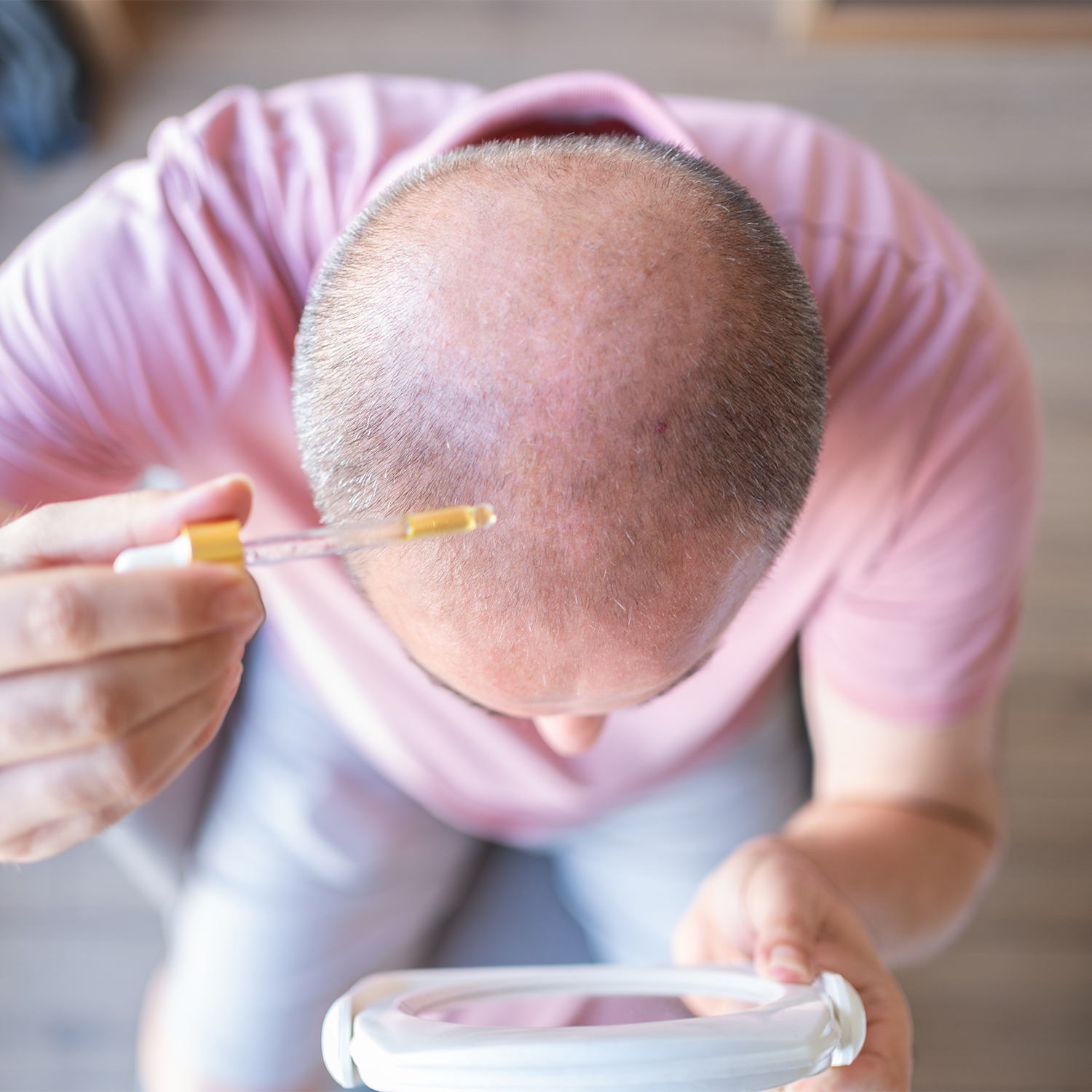
Most of us are no stranger to having our bodies change and evolve, but hair loss seems more personal. Hair loss — whether in men or women — can have a profound impact on one’s confidence.


What Causes Hair Loss?

Hair loss has many causes, and determining the cause can influence the appropriate course of treatment.

  • Age: Hair growth slows as you get older, which causes hair on the scalp to start thinning, losing its color, and the hairline to recede.
  • Hereditary: According to the American Academy of Dermatology Association, this is the most common cause of hair loss worldwide, impacting both men and women. Hereditary hair loss occurs when the genes you’ve inherited cause shrinking in your hair follicles until hair stops growing.
  • Scalp Disorders: Some conditions that could impact hair loss on the scalp include alopecia areata, scarring alopecia, scalp ringworm, and scalp psoriasis.
  • Cancer Treatment: Chemotherapy and radiation treatments often cause all or most of your hair to fall out within the first few weeks.
  • Thyroid Disorders: If you have a problem with your thyroid, you may lose your hair in clumps.
  • Hormones: Polycystic ovary syndrome (PCOS), changes in hormonal birth control, menopause, or if you’ve given birth recently can all have an impact on your hair health.
  • Diet and nutrition: If you aren’t getting enough biotin, iron, protein, or zinc, it can impact your hair health. Too much vitamin A can also cause hair loss.
  • Hair Care: The way you style and wear your hair can also impact your hair follicle health. If you wear your hair pulled back too tightly, or color, perm, or relax your hair regularly, it can damage the follicles, causing hair to not grow out of them.

But all is not lost. Depending on your situation and the recommendations from an expert (i.e. dermatologists specialize in treating skin, hair, and nails), there are different options to explore for hair regrowth.


Treatment Options

There is not a single, one-size-fits-all solution for encouraging hair growth. In some situations, hair may regrow on its own — for example, treating an underlying condition, after undergoing cancer treatment, or if you recently had a baby or lost weight. There are other treatment options you may consider if you want to prevent further loss or quicken the regrowth pace:

  • Over-the-counter (OTC) Products: These often contain ingredients like biotin, zinc, collagen, azelaic acid, omega fatty acids, vitamin E, and tea tree oil.
  • Rogaine®: This is also an OTC topical option that is FDA-approved to treat hereditary hair loss.
  • Prescription Medications: Finasteride, Spironolactone, and other medications prescribed may boost hair growth. It’s important to discuss these with your healthcare provider because they each can have different side effects.
  • Microneedling: Microneedling, using a device with tiny needles, can stimulate hair growth on the scalp when used in conjunction with other treatments.
  • Corticosteroids Injections: Corticosteroids can slow the speed of hair loss when injected into bald or thinning areas.
  • Hair Transplant Surgery: This is typically reserved for people who have tried less invasive hair loss treatments. The transplant takes small pieces of skin from a donor site (where hair grows healthily on the body) and is moved to the balding part of the scalp. Types of hair transplant surgery include grafting, scalp reduction, flap surgery, and tissue expansion.
  • Low-level Laser Therapy: Short periods of medical-grade light therapy on your scalp can stimulate hair follicles and result in hair regrowth after several sessions. Laser therapy has helped regrow the hair that was lost from hereditary causes, alopecia, and chemotherapy. It can also further stimulate hair growth after a transplant.
  • Platelet-rich Plasma (PRP): PRP speeds up your hair regrowth (and overall healing in the body) by separating platelets from blood plasma and then injecting the plasma back into the body during a blood draw.

Be cautious of advertisements, influencers, and promoters that try to sell a quick miracle fix for hair loss. It’s important to talk to your doctor or dermatologist about what you’re experiencing and the best approach for regrowth.


Embracing a New Style

While waiting for your hair to regrow, there are ways to both embrace or camouflage your hair’s current state:

  • Avoid harsh chemical treatments like hair dyes, perms, or relaxing.
  • Incorporate hats, scarves, or accessories to disguise areas you may feel uncomfortable with.
  • Get a shorter haircut that helps the regrowth blend better and reduce breakage.

Remember, it can take time before you see the results from your treatment. Be sure to take care of your mental and emotional health during the process, which can be overlooked when you experience hair loss.


Sources:

https://www.mayoclinic.org/diseases-conditions/hair-loss/diagnosis-treatment/drc-20372932
https://my.clevelandclinic.org/health/diseases/21753-hair-loss
https://www.webmd.com/healthy-aging/maintain-hair-growth-after-50
https://www.verywellhealth.com/hair-regrowth-7963548
https://www.aad.org/public/diseases/hair-loss/causes/18-causes

Volunteering as Self-Care

Volunteers

According to a study published in the Gerontologist, Middle-aged volunteers are less likely to have abdominal fat and high blood glucose than non-volunteers. They also had healthier levels of “good” HDL cholesterol. Older volunteers are less likely to have high blood pressure than their non-volunteer counterparts.

In a world that constantly prioritizes personal achievement, it’s easy to overlook the profound benefits of volunteering for one’s health. Beyond the warm feeling of making a difference, the act of giving back has far-reaching effects on both mental and physical well-being. Here are some of the surprising health benefits and why incorporating volunteering into your life can lead to a happier and healthier you.

Social Connection

Social connection is a key factor in maintaining good mental health, reducing feelings of isolation and loneliness, and volunteering provides ample opportunities for social interaction, fostering a sense of community and belonging. As you collaborate with others toward a shared goal, you build a support system that can be crucial during challenging times.

Stress Reduction

Volunteering acts as a natural stress reliever by shifting the focus from personal worries to the needs of others. The act of giving back releases endorphins, the body’s natural mood enhancers, which can create a sense of joy and fulfillment. This positive emotional state can counteract the effects of stress and contribute to an overall sense of well-being.

Physical Health Benefits

Believe it or not, volunteering can have tangible effects on your physical health. Studies have shown that individuals who engage in volunteer work experience lower blood pressure and a reduced risk of cardiovascular disease. The increased physical activity associated with many volunteer opportunities contributes to improved fitness levels, helping to maintain a healthy heart and body.

Sense of Purpose

One of the key determinants of well-being is having a sense of purpose in life. Volunteering provides a meaningful way to contribute to the greater good, instilling a sense of purpose and fulfillment. When individuals feel that their actions make a positive impact on the lives of others, it can lead to increased life satisfaction and a more positive outlook.

Cognitive Benefits

Engaging in volunteer activities often requires the development of new skills and the ability to adapt to different situations. This cognitive stimulation can lead to improved brain function and a reduced risk of cognitive decline as you age. Whether you’re learning new tasks, problem-solving, or collaborating with others, the mental agility required in volunteering contributes to the maintenance of cognitive health.

From fostering social connections to reducing stress and contributing to a sense of purpose, volunteering is a holistic approach to health that not only benefits the community but also enhances the quality of your own life. So, the next time you consider how to invest in your well-being, remember that volunteering might just be the prescription for a happier and healthier you.

Ready to volunteer? Sites like https://www.volunteermatch.org/ and https://www.unitedway.org/get-involved/volunteer# can help upcoming opportunities in your area and abroad.

Cognitive Crossroads

In 2019, dementia cost economies globally 1.3 trillion US dollars, approximately 50% of these costs are attributable to care provided by informal carers (e.g., family members and close friends), who provide on average 5 hours of care and supervision per day.

Degenerative memory disorders pose a considerable challenge for millions globally. These conditions, including Alzheimer’s disease and various forms of dementia, present significant hurdles for both the patient and their families and/or caretakers.

Degenerative memory disorders constitute a group of conditions characterized by the gradual deterioration of cognitive function, particularly memory loss. Symptoms typically encompass forgetfulness, confusion, and difficulties in performing daily tasks. However, changes in mood and behavior sometimes happen even before memory problems occur. These symptoms progressively erode an individual’s capacity to live independently.

Risk Factors

While genetic predispositions play a role, lifestyle factors such as diet, exercise, and social engagement also influence the risk of developing these conditions. Ongoing investigations into inflammation, oxidative stress, and other biological mechanisms further our understanding of disease progression.

Impact on Individuals and Families

The repercussions of degenerative memory disorders extend well beyond the affected individual though. Caregivers, often family members, navigate emotional strain, physical demands, and financial burdens as they witness their loved ones undergo profound changes in personality and capabilities. The toll on relationships and overall quality of life for both the patient and their caregivers is immeasurable.

Patients and caregivers alike can benefit from support groups, counseling, and education about the disorder. Establishing routines, maintaining a healthy lifestyle, and utilizing memory aids help in coping with daily challenges. Caregivers, in particular, should prioritize self-care and seek assistance from community resources to alleviate the caregiving burden.

Hope on the Horizon?

Despite the challenges, neurology researchers are making strides in understanding and treating degenerative memory diseases. Advances in brain imaging, biomarker research, and genetic studies provide valuable insights. Experimental drugs targeting beta-amyloid plaques and tau tangles, common hallmarks of Alzheimer’s disease, are in various stages of clinical trials. Lifestyle interventions, including cognitive stimulation and physical exercise, are also gaining attention for their potential to slow cognitive decline.