Category Archive

Lifestyle and Wellness

Panic vs. Anxiety: How to Tell the Difference

Unhappy girl on sofa

Your heart suddenly races. Your breath shortens. Your chest tightens. For a moment, you’re convinced something terrible is happening. But is it anxiety — or a panic attack? Many people use these terms interchangeably, yet they’re far from the same experience.

When you’re in the middle of overwhelming fear, putting a name to it may feel impossible. But distinguishing anxiety from panic matters because it helps you understand what your body is trying to tell you. While both can feel frightening, their patterns, triggers, and physical symptoms often set them apart.

The Onset: Anxiety Builds, Panic Strikes Suddenly

Anxiety is like a slow-dripping faucet — you feel it gradually. It often starts with a worry, a thought loop, or a stressor you can identify. You might notice tension in your shoulders, restlessness, or a sense of unease that grows over hours or days.

Panic, on the other hand, is a lightning bolt. There’s no warm-up, no warning sign you can see coming. A panic attack typically peaks within minutes, often hitting with intense physical sensations that feel alarming or even life-threatening. Many people describe feeling certain they’re having a heart attack or losing control. While anxiety is rooted in ongoing stress, panic episodes are abrupt and overwhelming — even when nothing obvious triggers them.

Shot of a young businessman looking stressed while working in a modern office

The Physical Symptoms: Intensity vs. Persistence

Anxiety tends to show up as persistent but manageable physical discomfort — muscle tension, fatigue, headaches, nausea, or trouble sleeping. These sensations may linger in the background, affecting your day but not stopping you in your tracks.

Panic attacks feel completely different. They’re explosive and intense, often accompanied by:

  • Rapid heartbeat
  • Chest pain
  • Dizziness
  • Sweating or chills
  • Tingling sensations
  • Feeling detached from reality

These symptoms can be so severe that many people worry they’re in imminent danger. While anxiety is a marathon, panic is a sprint — fast, overwhelming, and draining.

The Mindset: Anxiety Anticipates, Panic Fears the Moment

Anxiety is fueled by anticipation. It thrives on “what if?” thinking — what if this goes wrong, what if I embarrass myself, what if something bad happens? It’s a future-focused state that can make everyday tasks feel heavier than they should.

Panic is present-focused, and its fear is immediate. During a panic attack, the mind is flooded with the sense that something terrible is happening right now. You’re not worrying about the future — you’re fighting to survive the moment, even if you’re truly safe.

Both anxiety and panic are valid, real emotional experiences — not signs of weakness. Recognizing the difference can help you better understand your body’s stress response and speak more clearly with your healthcare provider.

Every year, up to 11% of people in the United States experience a panic attack.

Collagen — More Than a Supplement

Woman adding collagen powder to her morning coffee.

What if one tiny protein was quietly responsible for keeping your skin smooth, your joints moving comfortably, and your hair and nails looking their best — yet most people never think about it until they start to feel its loss? That protein is collagen, and whether you realize it or not, it’s working behind the scenes every single day. But here’s the catch: as we age, our natural collagen levels start to slip, taking some of that youthful bounce, glow, and mobility with them.

What Collagen Really Is and Why Your Body Depends on It

Collagen is often talked about like a beauty supplement, but the truth is much bigger than that. Collagen is the most abundant protein in the human body. It’s one of the main building blocks of your skin, joints, bones, muscles, ligaments, and even your gut lining.

Think of collagen as the scaffolding that keeps everything supported and held together. When collagen is plentiful, skin looks firmer, joints feel more flexible, and tissues can recover more smoothly from everyday wear and tear.

But starting in your mid-20s, your body naturally produces less collagen. This slow decline is completely normal, but it’s the reason fine lines become more noticeable, joints feel a bit stiffer, and skin gradually loses elasticity over time. This isn’t about “fixing” anything — it’s just about understanding how your body changes as you move through life and how you can support it.

How Lifestyle Choices Influence Your Natural Collagen Production

Your body is constantly making collagen, but how well it makes it depends on everyday habits. Several factors can either support or strain your natural collagen levels.

Diet and nutrients

Diet and nutrients

Your body needs specific building blocks to create collagen. Protein-rich foods such as chicken, fish, eggs, beans, and tofu provide amino acids, which serve as raw materials. Nutrients like vitamin C (from foods such as citrus, strawberries, and bell peppers) help your body assemble those amino acids into collagen fibers. Copper and zinc — from foods like nuts, seeds, whole grains, and leafy greens — also play supportive roles.

Sun exposure

Sun exposure

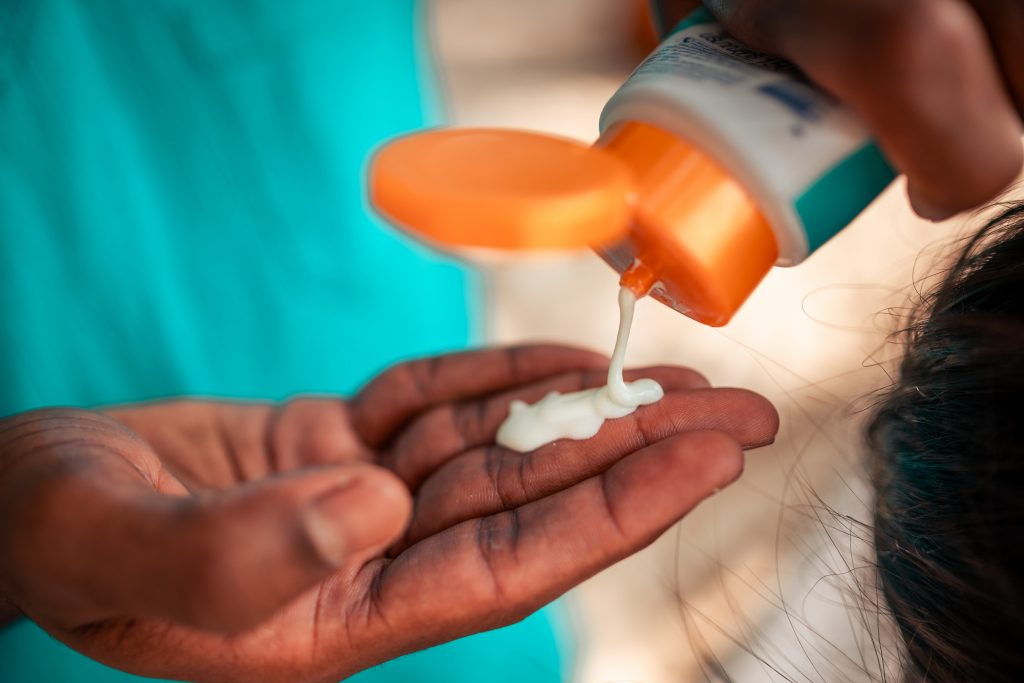
We all love a sunny day, but too much UV exposure can break down collagen faster than your body can rebuild it. Regular sunscreen, shade, and protective clothing can help slow that breakdown and keep your skin’s structure stronger for longer.

Sleep and stress

Sleep and stress

Your body does much of its repair work — including collagen production — while you sleep. Chronic stress can interfere with that process. Consistent rest and stress-relieving practices such as deep breathing, walking, stretching, or hobbies can support your body’s natural rhythm.

Smoking

Smoking

Smoking has been shown to impact collagen formation and overall skin health. Avoiding or reducing smoking supports both collagen and general wellness.

These symptoms can be so severe that many people worry they’re in imminent danger. While anxiety is a marathon, panic is a sprint — fast, overwhelming, and draining.

The Role of Collagen Supplements

Collagen supplements have become incredibly popular, and many people use them as an easy way to add extra protein to their routine. These supplements typically contain collagen that has been broken down into smaller pieces — often called peptides — so your body can absorb them like any other protein.

Research is ongoing, but some studies suggest collagen peptides may support skin hydration and elasticity or help with joint comfort in certain individuals. However, collagen supplements are not magic potions. They won’t reverse aging, eliminate wrinkles, or “fix” joint problems on their own. Think of them as one tool — not the whole toolbox.

If someone chooses to add a collagen supplement, it works best alongside a generally healthy lifestyle: nutrient-rich foods, hydration, sun protection, sleep, and mindful movement.

Ultimately, the goal isn’t just “boosting collagen.” It’s supporting your body in a balanced, sustainable way so you can look and feel your best at any age.

The global collagen market is booming, projected to exceed $10 billion by 2033,
driven by supplements for skin and joint health. 

Give the Gift of Health This Holiday Season!

It’s that time of year again: snowfall, chilly weather, and … sneezes. While the holiday season brings us inside to gather around the fireplace with family and friends, it means an increase in flu cases across the country.

The flu, or influenza, is a contagious virus that infects the respiratory system. It specifically targets the nose, throat, and occasionally, lungs. The flu can cause mild to severe illness, or, in some cases, death. Common symptoms of the flu include:

Jet injectors can generate the same (or more) amount of antibodies as the traditional needle injection can.

People with the flu may experience all, a couple, or, in rare cases, none of the symptoms mentioned. The flu can appear as the common cold, especially in individuals who experience only a sore throat and runny nose. However, the symptoms of the flu are often more intense than those of the common cold, and the virus sets in much more quickly after exposure.

The length of time that the virus is contagious varies from person to person. Generally, people are the most contagious during the first 3 days of feeling sick. However, some adults are contagious 1 day before they begin to feel sick and can continue to infect others from 5 – 7 days after their symptoms develop. Make sure to stay at home for at least a full 24 hours after you are fever-free.

The flu travels in tiny droplets created when a person sick with the flu coughs, sneezes, or talks. If these droplets land in your eyes, mouth, or nose, you could become sick within 24 to 48 hours. You could also become ill by touching a surface with the droplets and then touching your face.

The most effective way to stay safe this flu season is getting a flu shot. This lowers the risk of infection and lessens the severity of your symptoms if you do become sick. The flu shot contains the variants of the flu predicted to be the most common within the season, and a new vaccine is created every year. After receiving your flu shot, your immune system takes about 2 weeks to develop the antibodies needed to protect you from the flu. It’s recommended to get your flu shot in September or October, but it can be beneficial for you at any time. The flu still spreads during the warmer months, just less quickly.

Since the flu is a rapidly changing virus, last year’s shot may not protect you from this year’s strain. Antibodies may also decrease over time, leaving your immune system at risk for catching a serious strain of the flu. Get a new flu shot every year to ensure your body is best equipped for flu season!

If you’re not a fan of needles, there are other ways to receive your flu shot that work just as well. For those under the age of 65, you can opt for the use of a jet injector. This device uses a high-pressure, narrow stream of liquid that delivers the vaccine straight through your skin without ever piercing the top layer. There’s also a nasal spray that is approved for those between the ages 2 and 49.

According to one study, 8% of people who tested positive with the flu in the years 2017-2023 did not have any symptoms at all.

It’s especially important to receive a flu shot if you are considered a high-risk individual. You are considered high-risk if you are:

  • Over the age of 65
  • Living in a nursing home or long-care facility
  • A child under the age of 12 months
  • Pregnant, planning to be pregnant, or have recently given birth
  • Suffering from a chronic illness

In addition to your flu shot, there are other ways to minimize your chances of catching the flu. These include:

  • Washing your hands for at least 20 seconds
  • Not touching your face (eyes, nose, and mouth especially)
  • Covering your coughs and sneezes
  • Regularly cleaning surfaces in your house or place of work

Avoiding crowds

Nobody wants to spend their holiday months suffering from the flu. Make sure you’re protecting yourself and your loved ones by receiving your flu shot. If your New Year’s Resolution is about staying healthy (and even if it’s not), a flu shot is the perfect way to start your year off right!

Testosterone – The World’s Most Misunderstood Hormone

While mainly known for its connection to sexual health and strong muscles, testosterone has a much broader (and more important) role in the human body. It’s not just a “male hormone.” Everyone, regardless of sex, produces testosterone. Testosterone is created by the gonads — the testes or the ovaries — and impacts everything from physical development to mental health.

Testosterone levels are highest in adolescence and early adulthood for persons with testes and begin to decrease naturally around ages 30 and 40. But that’s not the only reason that testosterone levels can suddenly drop off. Chronic health conditions, stress, or cancer treatments, such as chemotherapy or radiation, can also impact testosterone levels.

While persons with ovaries naturally have lower levels of testosterone in their bodies, having too little can also have negative side effects. Regardless of sex, the most common symptoms of low testosterone are:

  • Osteoporosis or weakened bones
  • Low libido
  • Loss of muscle mass or muscle weakness
  • Loss of body hair
  • “Parchment-like” skin
  • Issues with memory and concentration
  • Fatigue
  • Depression, irritability, or anxiety

Currently, the FDA only approves the use of Testosterone Replacement Therapy for persons with testes that have hypogonadism, a medical condition that results in naturally lower testosterone. Hypogonadism can be the result of a genetic condition or can be caused by cancer treatments. The FDA-approved products include:

  • Topical Gels Applied directly to the skin, the testosterone gel is easy-to-use and very convenient. However, you must be careful that no one touches the area for several hours after application. This could lead to the other person accidentally taking in some of the testosterone as well.
  • Transdermal Patch – Placed on the skin like a sticker. This is also convenient and easy-to-use but can cause skin irritation or rashes. Some patches must also be applied multiple times a day.
  • Buccal Patch – Similar to the transdermal patch, the buccal patch is used like a sticker. Instead of being placed on the skin, however, the buccal patch is applied to your upper gum or inner cheek. It can cause irritation or gum disease.
  • Injection While the cheapest option on the list, injections don’t ensure a steady supply of testosterone like the gels or patches. Injections must be given either once a month, or every one and a half months.

Research suggests that testosterone helps preserve brain health and could help in reducing the risk of Alzheimer’s disease.

However, Testosterone Replacement Therapy can result in a few negative side effects, including acne and oily skin, muscle soreness, increased risk of heart attack, and infertility.

If you’re interested in trying to maintain your testosterone levels, St. Joseph’s Health offers several ways to do this without the use of Testosterone Replacement Therapy. These include:

  • Regular exercise, particularly strength training and High-Intensity Interval Training (HIIT)
  • Eating a balanced diet rich in healthy fats and protein
  • Sleeping 7 – 9 hours per night
  • Keeping stress levels low
  • Limiting alcohol
  • Making sure to get enough vitamin D and zinc

Approximately 14% of persons with testes nationwide have taken or currently take testosterone.

Having too much testosterone can also result in several side effects. It’s difficult to spot high testosterone levels in persons with testes, but it’s often associated with early puberty and infertility. Conversely, high levels of testosterone in persons with ovaries are associated with more noticeable physical appearance changes. An abundance of testosterone may also be an indication of Polycystic Ovary Syndrome (PCOS). Symptoms of both include:

  • Acne or oily skin
  • Deep voice
  • Increased muscle mass
  • Male-pattern baldness
  • An excess of dark or coarse body hair

Testosterone does much more in the body than govern your sex drive. It impacts both physical development and mental health, such as bone and muscle health, mood, memory, and energy levels. If you are interested in checking your testosterone levels, you can do this through a simple blood test at your doctor’s office.

OHM, Actually… You Do Have Time for Daily Meditation

Forget the singing bowls, crystals, or lavender incense, meditation requires far less time and effort than generally believed. With just a little bit of focus, you too can reap meditation’s numerous health benefits.

Consistent meditation can help decrease symptoms of depression and anxiety, improve mood, strengthen memory and attention, reduce chronic pain symptoms, and even help you to recover quickly from illness. But living a busy, modern day life leaves little room for meditation. Or does it?

The American Psychological Association defines mindfulness meditation as, “training your attention to achieve a mental state of calm concentration and positive emotions,” and breaks the practice into two main parts:

  1. Focus on the physical sensations of your body, your thoughts, and your feelings in the present moment.
  2. Observe your thoughts and feelings without judgement. Take note of their existence and let them go.

This practice of mindfulness meditation can be used throughout the day, any time you need to slow down and take a breather. Instead of mindlessly slogging through the daily motions of life, the NHS Foundation Trust has great suggestions for incorporating mindfulness meditation into otherwise mundane activities. Here’s a few for you to try out today:
Research shows that meditation can be just as effective for improving symptoms of depression as an antidepressant.

Brushing Your Teeth – While you do the important job of maintaining your dental health, why not enhance your mental health as well? As you brush, start by focusing on the feeling of the toothbrush against your teeth. How does your toothpaste taste? Is it spicy, refreshing, bland, or sweet? Bring your attention to the movements of your hand and the feeling of the brush beneath your fingertips. Try and focus on these sensations completely. If your thoughts drift away from the present moment, acknowledge them and let them go, then return to your body.

Eating Lunch Taking your lunch break is always a good way to refresh and recharge, but by combining it with mindful meditation, you could also be preparing your mind for the rest of the day. Begin by focusing on the texture of the food as you eat. Is it soft, hard, chewy, or soft? Pay attention to the texture and color of the food. How does it taste? Notice the way your mouth moves as you chew. You don’t need to meditate for the entire lunch break but try being mindful for at least the first couple bites. See if this exercise helps you focus better once you return to work.
Reading Your Emails Is your inbox stressing you out? It’s a common reaction. Mindful meditation can help you calm down, so you have no problems tackling today’s emails. First, take a couple seconds to turn away from the computer screen. Notice the feeling of the chair beneath you, and the weight of your arms on the table. Bring your attention to your feet on the ground. Can you feel the rhythm of your inhales and exhales as you breathe? If you start to worry about today’s to-do list, accept these thoughts as they arise and refocus your attention on your physical body. Do this for a couple seconds to a minute before returning to your emails feeling energized and invigorated.

Combine Your Exercise With Meditation – Every year, the most popular new year’s resolution is working out more. But your overall wellbeing comes from more than just physical exercise — your mental health is just as important. Combine your physical and mental health journeys by simply applying the practices of attention and acceptance as you work out. Pay attention to where you feel the stretches in your body, or how the muscles in your arms react as you use weights. Instead of listening to music, try to be fully in tune with yourself as you exercise. This is a great way to strengthen both your body and mind at the same time!

Mindfulness meditation is easily adapted to any lifestyle, no matter your schedule. Don’t let yourself get bogged down by the busyness of daily life. Research shows that only 12 to 15 minutes of mindfulness meditation 3 to 4 times a week is required to see profound improvement in your quality of life. Take the step towards bettering your health today and start living mindfully!

Indoor Activities to Stay Fit in the Winter

Winter weather might discourage outdoor exercise, but hibernation isn’t your only option.

Staying active during colder months helps prevent weight gain, boosts mood and immunity, and reduces cravings for comfort foods. Your home can be just as effective as a gym; bodyweight exercises like squats, planks, and burpees require no equipment and can be done in short bursts.

Want to make it more fun? Stream free workouts on platforms like YouTube or FitOn or use compact tools like resistance bands and dumbbells. Prefer social workouts? Join indoor classes at local gyms or stream virtual sessions on apps like Apple Fitness+ or Peloton.

Even nontraditional movement counts: walk during TV commercials, dance while cooking, or stretch every hour if you work from home. The CDC recommends 150 minutes of moderate aerobic activity weekly, just over 20 minutes a day.

Warm up before workouts to avoid injury and stay hydrated, even indoors. And if you do venture outside, layer up and wear shoes with a good grip. With a little creativity and consistency, winter can be a great time to build a sustainable fitness routine.

According to the Centers for Disease Control and Prevention (CDC), adults should aim for at least 150 minutes of moderate-intensity aerobic activity per week.

Long-term Effects of Caffeine on Your Bladder

While caffeine can boost energy and focus, overconsumption may harm bladder health.

It’s a natural diuretic and bladder irritant, increasing urine production and sensitivity. For some, even one cup of coffee can cause urgency, frequency, or leakage — especially if dealing with an overactive bladder or weakened pelvic floor muscles.

Studies link high caffeine intake (over 200 mg/day) with a greater risk of urinary incontinence and chronic bladder irritation. Over time, it may also lead to nocturia, disrupting sleep and daily functioning.

To protect your bladder, try gradually cutting back on caffeine, staying hydrated, and choosing herbal teas or caffeine-free alternatives. Kegel exercises can strengthen bladder control, and tracking symptoms in a diary may reveal hidden triggers.

Limit caffeine after 2 p.m. to support restful sleep and reduce nighttime trips to the bathroom. Being mindful doesn’t mean giving it up completely — just finding a healthy balance that keeps your bladder and energy levels in check.

A study published in The Journal of Urology found that women who consumed more than 204 mg of caffeine per day (about two cups of coffee) were significantly more likely to experience urinary incontinence.

The FDA considers up to 400 mg of caffeine per day (about 3–4 cups of coffee) as safe for most adults.

Savor the Season, Not the Sugar

Avoiding sugar during Christmas may seem counterintuitive, but it’s one of the best ways to protect your health during a season filled with indulgence.

From gingerbread cookies to spiked cider, sugary treats are everywhere — and that can lead to weight gain, fatigue, and increased risk for chronic illnesses like type 2 diabetes and heart disease. Research even shows sugar triggers addictive responses in the brain, fueling cravings and mood swings.

But skipping sugar doesn’t mean skipping joy. Small changes like swapping festive cocktails for herbal tea, enjoying naturally sweet snacks like fruit or cinnamon-baked apples, or limiting desserts can reduce your sugar intake while still honoring tradition. The American Heart Association recommends just 6 teaspoons of added sugar for women and 9 for men per day, a limit many far exceed during the holidays.

Choosing mindful alternatives supports energy, immunity, and mental wellbeing. So this season, celebrate with connection and creativity, not just candy. Your body and mind will thank you in the new year.

The American Heart Association recommends no more than 25 grams (6 teaspoons) of added sugar per day for women and 36 grams (9 teaspoons) for men.

Instead of centering holiday fun around sugary foods, try focusing on activities like holiday crafts, volunteering, or outdoor games with family.

The Movember Foundation and Men’s Health

The diverse group of men sit in a circle and talk about grief during their group therapy session at the community center.

Globally, women live an average of five years longer than men, with life expectancy reaching 81 years for women compared to 76 years for men. This gap is influenced by a variety of health issues that often go undetected or untreated in men, coupled with a general lack of awareness surrounding men’s health. In response to this concern, the Movember Foundation was launched by a group of 30 men aiming to spotlight critical health challenges affecting men, such as prostate cancer, testicular cancer, and mental health. Every November, the foundation encourages men to grow mustaches as a visible symbol to ignite conversations and raise awareness around these pressing issues. Through generous donor support and ongoing collaboration with researchers, Movember strives to enhance men’s health outcomes and reduce preventable deaths, both across the U.S. and globally. 

Rear view of son and elderly father sitting together at home. Son caring for his father, putting hand on his shoulder, comforting and consoling him. Family love, bonding, care and confidence

Delayed Medical Attention

Men often delay seeking medical attention due to a complex mix of social, emotional, and practical factors. Cultural norms that equate masculinity with toughness can discourage men from acknowledging vulnerability or illness, making it harder to ask for help. Many grow up internalizing the belief that health issues should be endured, not discussed, especially when it comes to mental or sexual health. On top of this, fear of bad news or invasive procedures, paired with limited time due to work or family obligations, can lead to putting off checkups and ignoring early symptoms. Financial barriers and low health literacy also play a role, making preventive care seem less accessible or necessary.

Mental Health Stigma

Men’s mental health stigma is deeply rooted in societal expectations that equate masculinity with emotional stoicism. From a young age, boys are often taught to suppress vulnerability and “tough it out,” which can lead to internalized shame and silence around emotional struggles. This cultural conditioning discourages men from seeking help, fearing that doing so might be seen as weakness or failure. In many communities, especially those with strong patriarchal norms, men are expected to be providers and protectors — roles that leave little room for emotional expression.  

The consequences of this stigma are profound. Men are significantly less likely than women to receive mental health treatment, yet they are nearly four times more likely to die by suicide. Even when men do seek help, they may face external stigma from healthcare providers, family members, or media portrayals that associate male mental illness with violence or weakness.  

Chronic Illnesses

Men are disproportionately affected by chronic illnesses such as cardiovascular disease, diabetes, respiratory conditions, and liver disorders — often due to lifestyle factors like smoking, poor diet, and lack of regular checkups. Heart disease remains the leading cause of death among men, with over half of adult males showing signs of cardiovascular issues. Chronic obstructive pulmonary disease (COPD) and lung cancer are more prevalent in men, especially those with a history of smoking. Liver disease, including cirrhosis and hepatitis, is also common and often linked to alcohol use. 

Man holding hands over heart, severe pain, heart attack, sitting at home in living room on sofa close-up.
Mature doctor discussing with man at clinic

Sexual Health & Hormonal Changes 

Sexual and hormonal changes in men — especially as they age — can significantly impact overall health, with testosterone playing a central role in libido, energy, muscle mass, and reproductive function. Conditions like andropause (male menopause) lead to gradual declines in testosterone, often resulting in reduced sex drive, erectile dysfunction, fatigue, and mood changes. Hormonal imbalances may also cause issues like low sperm count, enlarged breast tissue (gynecomastia), and hair loss. Interestingly, recent research suggests that even modest increases in blood sugar can impair erectile function and sperm motility, highlighting the link between metabolic health and sexual wellness. 

Why the Movember Foundation Is Needed 

The Movember Foundation tackles a silent crisis in men’s health — one that’s often overlooked or stigmatized. Men are dying too young from preventable causes, and many suffer in silence due to outdated ideas about masculinity. Movember shines a spotlight on these issues, encouraging men to take charge of their health and talk openly about what they’re going through. 

What makes Movember powerful is its global reach and year-round impact. Since 2003, it has funded over 1,300 projects across the world, transforming how men’s health is researched, understood, and supported. By using the mustache as a conversation starter, Movember breaks down barriers and sparks real change, from early cancer detection to mental health awareness. It’s not just about growing facial hair; it’s about developing a movement that saves lives. 

Men are significantly less likely than women to receive mental health treatment, yet they are nearly four times more likely to die by suicide.

By using the mustache as a conversation starter, Movember breaks down barriers and sparks real change, from early cancer detection to mental health awareness. 

Plan Ahead for a Stress-Free Holiday

Young sad woman sitting near the Christmas tree in kitchen

The holiday season, often portrayed as a time of joy and celebration, can quickly become overwhelming without proper preparation. Between gift shopping, travel arrangements, family gatherings, and financial obligations, the pressure to meet expectations can lead to stress, anxiety, and burnout. Planning ahead is one of the most effective strategies to reduce this tension and create space for meaningful experiences. By organizing tasks early, setting realistic goals, and prioritizing self-care, individuals can transform the holidays from a source of stress into a season of connection and comfort. 

Ways to Reduce Holiday Stress 

Manage Time – One of the primary benefits of planning ahead is the ability to manage time effectively. The holidays are packed with events, errands, and responsibilities, and without a clear schedule, it’s easy to feel scattered and rushed. Creating a calendar that outlines key dates, such as parties, travel, and shopping deadlines, helps prevent last-minute chaos. It also allows for better pacing, so tasks can be spread out over weeks rather than crammed into a few frantic days. This kind of foresight reduces decision fatigue and gives individuals more control over their time, making it easier to enjoy the moment. 

Financial Planning – Financial stress is another common holiday burden, and early planning can help alleviate it. Setting a budget before the season begins ensures that spending remains intentional and manageable. Whether it’s allocating funds for gifts, meals, or travel, having a clear financial plan prevents overspending and the anxiety that often follows. Thoughtful planning also opens the door to creative, cost-effective alternatives, such as handmade gifts, potluck-style gatherings, or charitable donations in place of material presents. These choices not only ease financial pressure but also add depth and meaning to holiday traditions. 

Winter holidays shopping, expensive time of the year

Set Boundaries and Expectations – Planning ahead also supports emotional wellbeing by setting boundaries and managing expectations. The holidays can stir up complex feelings, especially when navigating family dynamics, grief, or loneliness. By anticipating potential stressors and deciding in advance how to handle them, individuals can protect their mental health. For example, choosing which events to attend, limiting time with difficult relatives, or creating new traditions can help maintain a sense of control and comfort. It’s also important to communicate clearly with others about commitments and limitations, which fosters mutual respect and reduces misunderstandings. 

Feet in woollen socks by the Christmas fireplace. Woman relaxing by warm fire with a cup of hot drink and warming up her feet in woollen socks. Cozy atmosphere. Winter and Christmas holidays concept.

Prioritize Self-CareSelf-care is often neglected during the holidays, but planning ahead makes it easier to prioritize. Scheduling downtime, whether it’s a quiet morning walk, a relaxing bath, or a few hours with a favorite book, ensures that personal needs aren’t lost in the shuffle. It’s also helpful to maintain healthy routines, such as regular exercise, balanced meals, and adequate sleep. These habits support resilience and help individuals cope with the demands of the season. When self-care is built into the holiday plan, it becomes a non-negotiable part of the experience rather than an afterthought. 

Be Flexible – Flexibility is another key component of successful holiday planning. While structure is helpful, it’s important to leave room for spontaneity and unexpected changes. Plans may shift due to weather, illness, or other unforeseen circumstances, and being mentally prepared for these possibilities reduces frustration. A flexible mindset allows individuals to adapt gracefully and focus on what truly matters — connection, gratitude, and joy. It also encourages a more realistic approach to the holidays, where perfection is replaced by presence and authenticity. 

Group Of Friends Drinking Hot Chocolate With Marshmallows In Snow At Outdoor Christmas Market

Conclusion 

Ultimately, planning ahead empowers individuals to reclaim the holiday season. Instead of reacting to stress, they can proactively shape their experience in ways that align with their values and needs. Whether it’s simplifying traditions, delegating tasks, or carving out moments of peace, thoughtful preparation creates a foundation for a more fulfilling celebration. The holidays don’t have to be a whirlwind of exhaustion and pressure — they can be a time of reflection, renewal, and genuine connection. With a little planning, the season becomes not just manageable, but meaningful. 

Creating a calendar that outlines key dates — such as parties, travel, and shopping deadlines —
helps prevent last-minute chaos.