Author Archive

Seasonal Affective Disorder

While the colder months can usher in a number of things many of us enjoy — holiday cheer, new fashions and flavors, and the embracement of all things cozy — for others it can bring a case of the “winter blues.” And while that concept might be dismissed by some, it’s a very real (and in some cases, a very serious) experience for others.

Seasonal Affective Disorder (SAD) is a type of depression that is brought on during certain seasons of the year — typically fall and winter. (If you live in a warmer climate, you might experience SAD in the summer.) According to Cleveland Clinic, about 5% of adults in the U.S. experience SAD, typically starting between 18 and 30 years of age, and it most often affects women.

What causes Seasonal Affective Disorder?

While there’s no clear cause for Seasonal Affective Disorder, the shorter, darker days are believed to trigger a chemical change in the brain that is linked to the depression symptoms experienced. Like most things, the symptoms of SAD can vary in different people. Some of the most common symptoms experienced include increased sleep, withdrawing from socializing, and brain fog.

Symptoms of SAD

Like most things, the symptoms of SAD can vary in different people. Some of the most common symptoms experienced include:

  • Increased sleep, including daytime drowsiness (did you know the sleep-related hormone, Melatonin, is naturally produced more in the body when it’s dark?*)
  • Withdrawing from socializing with others
  • Heightened irritability and anxiety
  • Weight gain
  • Headaches
  • Brain fog or difficulty focusing and concentrating
  • Decreased sex drive
  • Feelings of guilt or a sense of hopelessness
  • Low energy levels and losing interest in activities typically enjoyed

Ways to treat or prevent SAD

There are a number of steps you can take when trying to ward off SAD, including recommendations worth implementing year-round. To help alleviate symptoms:

  • Exercise regularly (at least three times a week for 30 minutes). It will help you combat stress and anxiety, while also boosting endorphins.
  • Eat healthy, well-balanced meals. This can be difficult with all the holiday festivities that occur in the fall and winter months, and it’s why building healthy food habits year-round is crucial. Eating a diet rich in vitamins and minerals can give you much needed energy. Get enough rest and try to stick with a sleep routine to help regulate your internal clock (which in turn helps to regulate your hormones and mood).
  • Manage stress and enlist the help of a counselor or therapist if needed.
  • Get outside and enjoy the daylight whenever possible (even if it’s cloudy!).
  • Do activities you typically enjoy — whether that’s seeing friends, arts and crafts, going to the movies, playing sports, listening to music, or gardening.
  • DON’T try to make any big decisions or life changes (marriage, divorce, quitting your job) until the SAD has lifted and you can consider the life transitions objectively.
  • DON’T isolate yourself. Even if you don’t feel like going out to social events, be sure to reach out to friends or loved ones regularly.
  • DON’T rely on alcohol or take unprescribed medications as these can worsen your symptoms.

As always, remember that you’re not alone, and it’s important to speak with your healthcare provider or a mental health professional if your symptoms are severe. Other treatments, including possible medications, may help prevent future episodes.

Sources:

https://www.hopkinsmedicine.org/health/conditions-and-diseases/seasonal-affective-disorder
https://www.mayoclinic.org/diseases-conditions/seasonal-affective-disorder/symptoms-causes/syc-20364651
https://www.nimh.nih.gov/health/publications/seasonal-affective-disorder
https://my.clevelandclinic.org/health/diseases/9293-seasonal-depression
*https://www.hopkinsmedicine.org/health/conditions-and-diseases/seasonal-affective-disorder

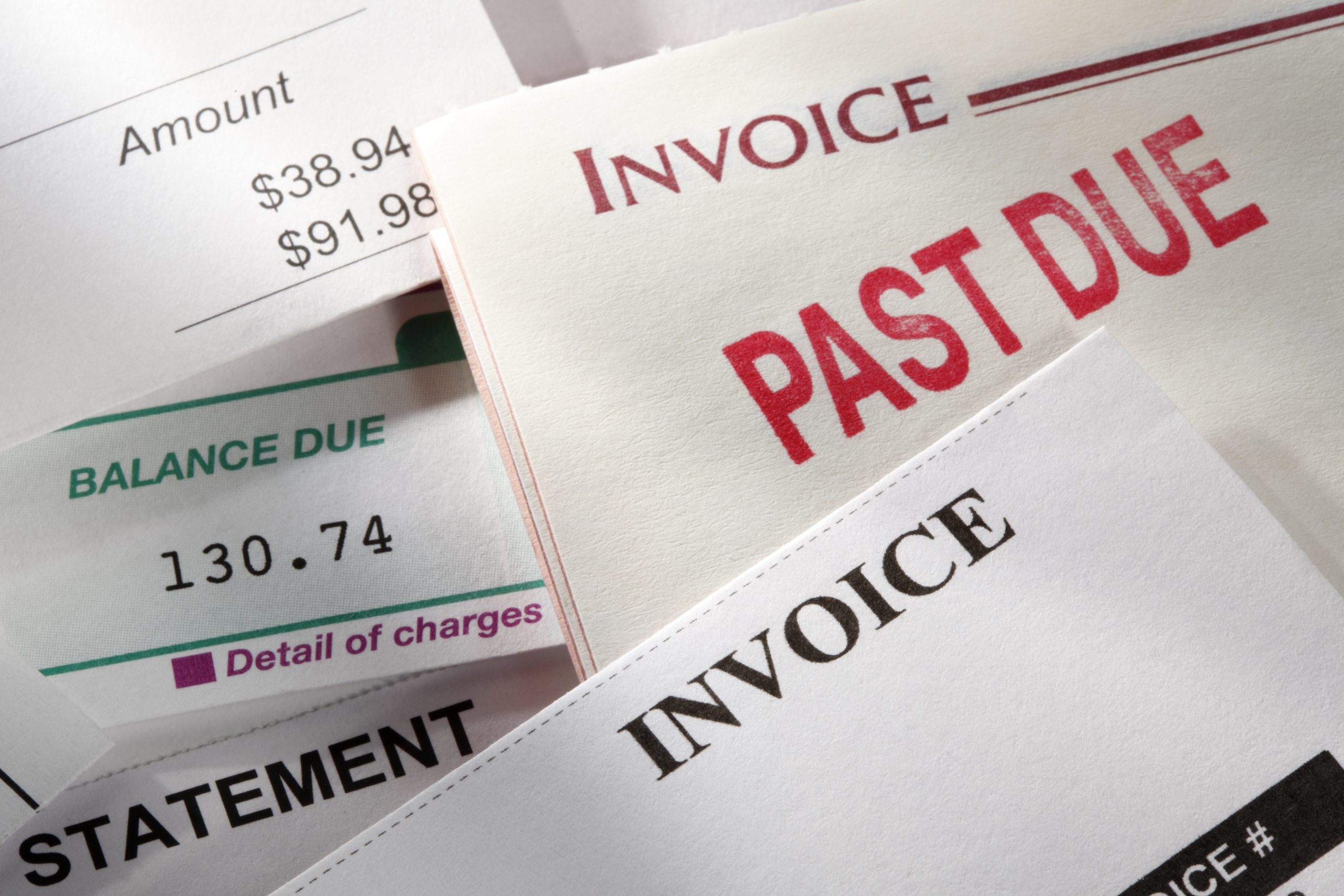
¿Qué es la facturación de saldo?

La facturación de saldo no es un término bien conocido, pero puede que la haya experimentado, especialmente si ha tenido una emergencia médica y recibido servicios de emergencia

En pocas palabras, la facturación de saldo es cuando un proveedor médico le envía una factura por el resto de una cuenta que su proveedor de seguro no cubrió. Esto suele ocurrir con los proveedores fuera de la red, es decir, proveedores médicos que no tienen ningún contrato con su proveedor de seguro y con quienes será más costoso atenderse.

Por ejemplo, digamos que tiene una apendicectomía de emergencia. Dependiendo de la situación, probablemente no tenga tiempo de investigar a un proveedor o averiguar si todas las personas involucradas en su apendicectomía están dentro de la red, está preocupado por llegar a la sala de emergencia lo más rápido posible. Si el anestesiólogo, el hospital u otra persona involucrada en el procedimiento está fuera de la red, puede recibir una factura inesperada en el correo después del procedimiento.

La buena noticia es que, desde 2022, tiene cierta protección contra estos tipos de facturas si recibe atención de emergencia, atención no de emergencia de proveedores fuera de la red en un centro dentro de la red (p. ej., si en teoría su anestesiólogo está fuera de la red, incluso si el hospital esté dentro de la red) o los servicios de ambulancia de un proveedor fuera de la red. Haga clic AQUÍ para averiguar más sobre los derechos que tiene en conformidad con la Ley Sin Sorpresas y AQUÍ para hacer preguntas o recibir ayuda sobre las facturas médicas sorpresa.

What is a “surprise medical bill” and what should I know about the No Surprises Act? | Consumer Financial Protection Bureau (consumerfinance.gov)
Balance billing – Glossary | HealthCare.gov

Time-Efficient Calorie Burns

It’s not always doable to block off big chunks of time for long walks, leisurely bike rides, or hours in the gym. The good news is that there’s an incredibly effective method of exercise that you can fit into 20 minutes of your day. High-intensity interval training, or HIIT, combines very short, very intense periods of cardio-based exercise with periods of rest. For example, if you sprinted for 30 seconds and walked or jogged for a minute, and repeated this cycle for 10-15 minutes, you’ve done a HIIT workout.

HIIT workouts are proving to have many health benefits. They may be more effective than traditional forms of exercise for fat loss. They improve your overall fitness, strengthen your muscles, reduce your risk of cardiovascular disease, and help manage high blood sugar. If you’re already regularly exercising, they can increase your speed, agility, and strength.

Click HERE and HERE for some examples of HIIT workouts you might try – many of them take less than 15 minutes! The key is to get your heart rate up to 80% of its maximum (check HERE for an age-based chart). You can check your heart rate by either counting it over a 20-second period and multiplying that number by 3, or by using a heart rate monitor.

It’s important to know your current fitness level and work within it. If you’re not used to regular cardio-based exercise, be sure to ease into it. Additionally, if you have any health concerns, especially heart- or lung-related, make sure to check with your doctor before starting a new type of workout.

HIIT: High Intensity Interval Training Exercise Really Works | Time
Short Workouts – Well Guides – The New York Times (nytimes.com)

The Umbrella of Grief

All of us deal with grief in many shapes and forms throughout the course of our lives. It might be lesser, like the loss of a career opportunity, or greater, like the death of a loved one. Coping with loss is never easy, and while everyone handles their grief differently, here are some actions to help move through grief.

  • Accept and express your feelings. Grief is natural. There is nothing wrong with the feelings that come along with grief, such as anger and frustration. It is healthy to recognize that you’re experiencing those feelings and to talk about them with trusted friends or family.
  • Take care of yourself. Experiencing grief is often exhausting. Make sure you’re sleeping well, drinking enough water, and eating nourishing food. When you have the energy to, do activities that bring you joy, whether it’s taking a walk somewhere scenic or reading a good book.
  • Recognize that grief is a complicated process. Grief is not a straight road. You may feel better for some time before feeling overwhelmed with sadness again. That’s okay and normal, even though it may not feel that way.
  • Talk to someone who can help. There are many kinds of therapy that can help you talk through your grief and learn how to process it. Your company’s Employee Assistance Program may provide a number of counseling sessions that you and your covered family members might be eligible for. Many medical plans have also mental health benefits that apply to therapy.

Grief: Coping with the loss of your loved one (apa.org)
Coping With Grief | NIH News in Health

Cutting Rx Costs

2023 October, Benefit Spotlight September 21, 2023

Sometimes the prescriptions we need are flat-out expensive. The good news is there are prescription discount programs and coupons available for some medications.

How do prescription discount programs work? These discounts can’t be combined with your benefit plan’s coverage, so make sure to check the price against the cost of using your insurance’s prescription drug benefit. Something else to consider: If you choose to use a discount card and are therefore not tapping into your insurance’s prescription drug benefit, the cash amount you pay for the prescription may not count toward your deductible or out-of-pocket maximum under the benefit plan.

GoodRX is a web- and app-based platform that allows you to search for prescription drug coupons and compare pharmacy prices. The company claims a savings of up to 80% on generics. Optum Perks also provides coupons for medications and a searchable database for drug cost comparison at participating pharmacies near you. The Optum Perks member card, which can be used at more than 64,000 pharmacies, is free to use and requires no personal data.

Another discount option is the Amazon Prime RX Savings discount card, which is included with an Amazon Prime membership and is administered by InsideRX. It provides discounts of up to 80% for generics and up to 40% for brand-name medication at participating pharmacies.

Cost Plus Drug Company is a web-based pharmacy that claims to keep costs low by buying directly from the manufacturer. It currently only offers a certain selection of medications and accepts a handful of prescription insurance providers, but it may be worth checking the price difference between Cost Plus and your regular pharmacy.

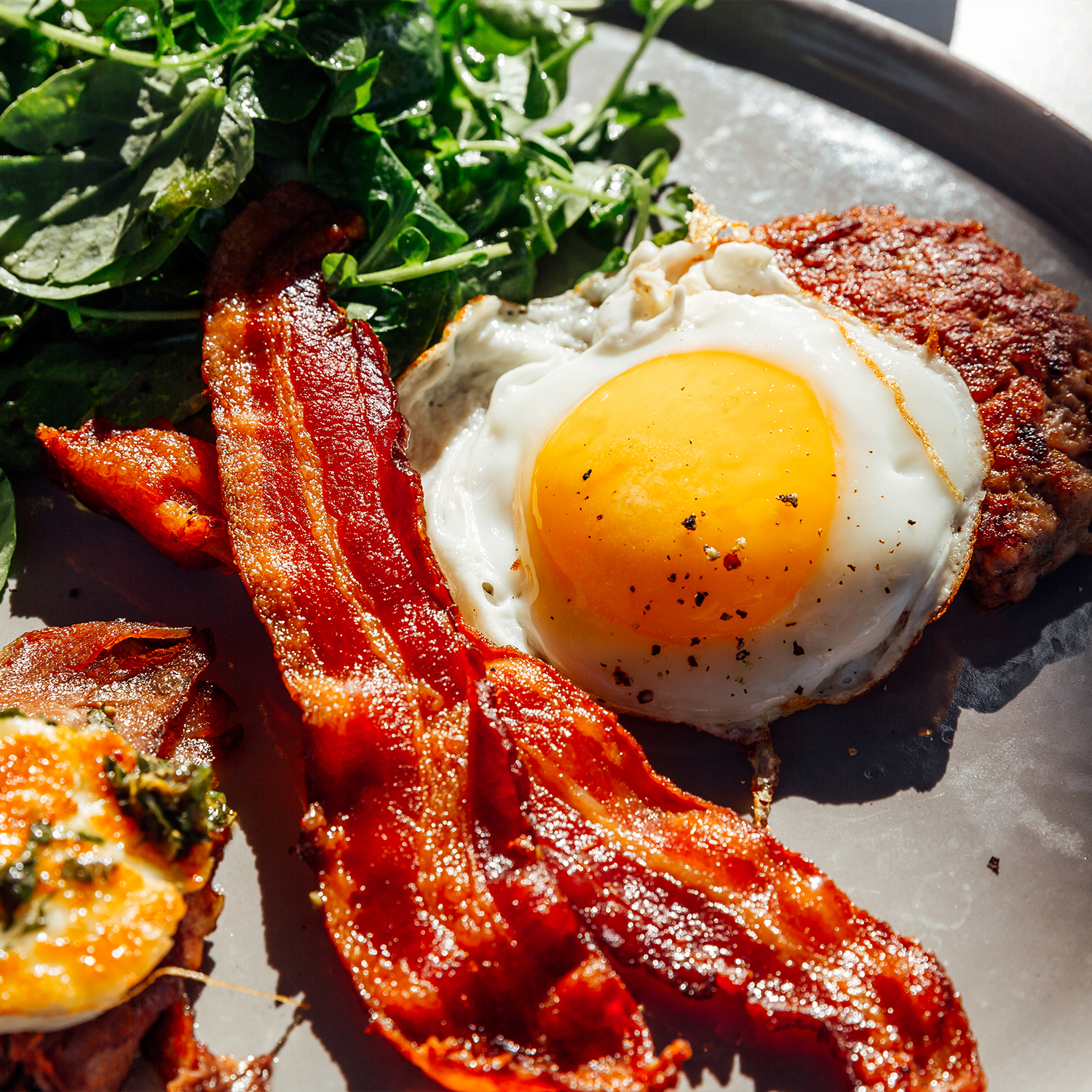
Going Keto?

A recent trend in the dieting world is the ketogenic diet, or “keto” for short. The premise is that by consuming a high-fat, low-carbohydrate diet, you will force your body to burn fat it has stored for fuel instead of carbs – a process called ketosis. This sounds promising on the surface, but is going keto good for you?

On a practical level, keto diets are extremely restrictive, requiring you to eat fewer than 20-50 grams of carbohydrates a day (for comparison, a single banana has roughly 27 grams of carbohydrates). It’s also restrictive of protein, which is a key nutrient for maintaining your muscles. This means up to 90% of your daily calories have to come from fat. These restrictions can lead a number of side effects, including the following:

  • Nutrient deficiency
  • Liver and kidney problems
  • Low blood pressure
  • Increased risk of heart disease
  • Brain fog and mood swings

There are not a lot of long-term studies done on the keto diet’s impact on a human body. Some studies suggest that people on the keto diet will lose weight in the short-term, but long-term, a keto diet is not more effective or lasting than a low-fat diet. (Other studies, however, have shown that the ketogenic diet is beneficial to some people with epilepsy.) If you’re looking to eat more nutritiously, consider talking to a dietitian or licensed nutritionist. They can help you create a balanced diet that’s best for what your body needs.

Should you try the keto diet? – Harvard Health
Is the Keto Diet Safe? What are the Risks? – UChicago Medicine

Understanding Racial Trauma

Racism in America is on many minds. Minorities are often treated differently, which can lead to racial trauma, or race-based traumatic stress (RBTS).

42% of U.S. employees have experienced or witnessed racism in the workplace.

Racial trauma is the mental and emotional injury caused by encountering racial bias and ethnic discrimination. Experiencing such an encounter can lead to this trauma. If you’re not part of a minority group, it can be easy to overlook or downplay this experience. But racial trauma can have long-term detrimental psychological impacts on individuals and communities.

35% of Black workers believe racial or ethnic discrimination exists in their workplace, but only 7% of white workers believe the same.

What can I do? Say something. If you hear someone saying something harmful, speak up. Some examples of responses to racist jokes or comments are:

  • “That’s not funny.”
  • “Help me understand your thinking.”
  • “That’s not okay with me.”
  • “We don’t say things like that here.”
  • “What you just said is harmful.”
  • “I know you were just trying to make a joke, but here’s why it was offensive…”
  • “Is the person’s race relevant to this story?”
  • “As your friend, I feel obligated to let you know that remark was racist.”
  • “I didn’t want to single you out before, but that comment made me uncomfortable. Here’s why…”
  • “I disagree. You are stereotyping…”
  • “Do you have evidence to support that belief?”

On average, Black and Hispanic workers are paid less than white workers at almost every level of education.

It doesn’t have to be confrontational. Offer to chat about things further and share resources. Take comfort in knowing that calling people out is never easy or comfortable, but it’s the right thing to do. Standing up against racism and showing support can help individuals and groups of people. If you or someone you know is experiencing racial trauma, there are resources to help. And if you’ve ever mistakenly said something that could be seen as racist, normalize changing your opinion when presented with new information.

Boston College Racial Trauma Toolkit
Project LETS Race and Mental Health Resource
Asian Mental Health Project

Content by Lockton Dunning Benefits with info from https://www.mhanational.org/racial-trauma, https://www.fingerprintforsuccess.com/blog/racism-in-the-workplace,and instagram.com/privtoprog

Wellness Programs

Employer-sponsored medical benefits are provided to help you stay healthy. But some employers go a step further by implementing wellness programs.

Wellness programs provide various tools and incentives for you to keep an eye on your overall health. These incentives often take the form of discounts off your medical premiums (or even a surcharge), fitness trackers, or gym memberships. If your spouse is on your insurance, they may also be eligible.

Often times these programs will require an annual biometric screening that checks certain standard health factors, such as blood pressure, cholesterol levels, height, weight, and glucose levels. These are helpful in the short-term because they may reveal health issues that you can address with your doctor. These screenings are helpful long-term because they will provide your doctor a consistent medical history — if some of your benchmarks change suddenly from one year to the next, it may indicate a health problem. You can usually get these biometric screenings done at your doctor’s office, though some employers will offer onsite screening opportunities as well.

Many wellness programs also include health education modules and mental and financial wellbeing resources. Overall, wellness programs help you become better informed about your own health, which keeps you healthier and could save you money in the long run. Check your benefits information to see whether your employer has a wellness program and what its benefits are.

Easy Mood-Boosters

Sometimes when you’re having a bad day, it’s hard to boost your mood so you can move forward. Here are a handful of simple suggestions to get you started.

Go for a walk. Have a park nearby? Pop out for a 10-15 minute walk. This kind of gentle physical movement helps your body create hormones related to good moods. Research shows that being out in nature even for very short periods can and overall help your brain work better.

Take time to laugh. While laughter may not be the best medicine, it’s often a good one. In the short-term, it can improve your circulation and help relax your muscles, relieving physical symptoms of stress. Long-term, laughter may even improve your immune system and relieve pain. Watch a comedy, read a funny book, or chat with a friend.

Smell something good. There is research suggesting that smells associated with positive memories can make you feel better. Take a quick sniff of an essential oil you enjoy, put on scented lotion you like, or make an aromatic cup of peppermint or Earl Grey tea — just be mindful of those around you who might have sensitivities to odors.

Listen to music. Songs you enjoy can give you many benefits, such as reducing anxiety, improving focus, and relieving stress. (If you’re listening through headphones, make sure to keep an eye on the volume to protect your hearing.)

It’s important to note that these suggestions are meant to help you through an ordinary case of the blahs. If you find yourself feeling consistently down or stressed, you might want to talk to your doctor or to a mental health professional to see whether anything more serious is going on. If you are experiencing feelings or thoughts of harming yourself or others, call the crisis lifeline at 988.

Mood Boosters: 7 Strategies That Don’t Cost a Thing (healthline.com)

More Than Snoring

For many people, snoring is annoying. For some, though, it can be just one sign of a much more serious condition called sleep apnea.

Sleep apnea is a sleep disorder that occurs when you stop and start breathing during your sleep. This can happen due to issues with the muscles in your airway, or, less commonly, due to your brain not sending the proper signals to your breathing muscles.

In addition to snoring, there are many potential symptoms:

  • Breathing shallowly, gasping, or choking upon waking up
  • Restlessness or frequently waking up at night
  • Fatigue from poor sleep
  • Depression or anxiety
  • Dry mouth or sore throat on waking up
  • Sweating at night

Sleep apnea can cause serious health problems. High blood pressure, heart problems, type 2 diabetes, and metabolic syndrome are just a few potential complications. Some people are more at risk than others. People who smoke, use alcohol or sedatives, are older, or are overweight are at increased risk of developing sleep apnea.

If your doctor suspects you may have sleep apnea, they may do a physical exam or have you complete a sleep study. Depending on the severity and type of sleep apnea, treatments range from lifestyle changes such as losing weight or stopping smoking to getting a continuous positive airway pressure (CPAP) mask to help you breathe (and sleep) deep.

Sleep apnea – Symptoms and causes – Mayo Clinic
Sleep Apnea – What Is Sleep Apnea? | NHLBI, NIH